Since time immemorial, the art of espionage has been intertwined with the practice of statecraft, evolving alongside the shifting landscapes of global power dynamics. From the clandestine operations of America’s first spies during the Revolutionary War to the sophisticated intelligence gathering of the modern era, espionage remains a cornerstone of national security strategies.
As nations vie for supremacy on the world stage, the role of intelligence agencies like the Central Intelligence Agency (CIA) becomes increasingly vital. In an age defined by technological innovation and geopolitical competition, the CIA must adapt and evolve to meet the challenges of the twenty-first century.
The origins of American espionage can be traced back to the Revolutionary War, where patriots used rudimentary techniques such as ciphers, clandestine courier networks, and invisible ink to communicate with each other and foreign allies. These early efforts laid the groundwork for the intelligence operations that would follow, shaping the course of American history.
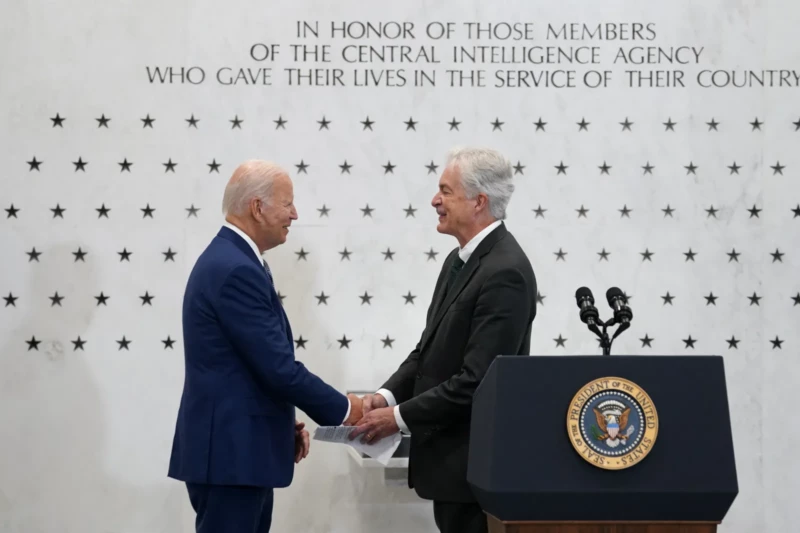
In World War II, the advent of signals intelligence revolutionized the field of espionage, enabling Allied forces to intercept and decipher enemy communications. The breaking of Japanese codes, in particular, played a crucial role in turning the tide of the war in the Pacific theater.
The early Cold War saw intelligence capabilities pushed to new heights, both literally and figuratively. The development of high-altitude reconnaissance aircraft like the U-2 allowed the United States to gather intelligence deep within enemy territory, providing invaluable insights into Soviet military activities and strategic intentions.
But as the world entered the twenty-first century, the nature of intelligence gathering underwent a profound transformation. The rise of cyber warfare, digital surveillance, and asymmetric threats posed new challenges for intelligence agencies accustomed to more traditional forms of espionage.
In response, the CIA embarked on a comprehensive modernization effort aimed at enhancing its capabilities in the face of emerging threats. This transformation involved leveraging cutting-edge technology, expanding human intelligence networks, and fostering closer collaboration with foreign partners.
The events of September 11, 2001, marked a turning point in the CIA’s evolution, underscoring the need for greater agility and adaptability in confronting asymmetric threats. In the years that followed, the agency played a central role in the global fight against terrorism, employing a wide range of tactics to disrupt extremist networks and prevent future attacks.
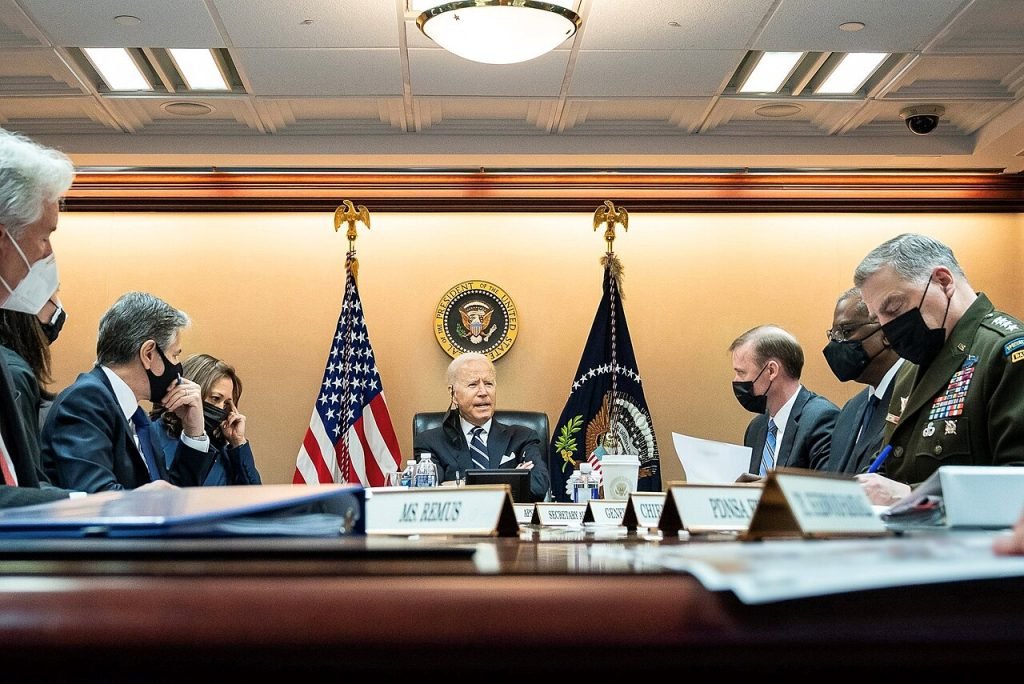
But the challenges facing the CIA extend far beyond counterterrorism. In an increasingly multipolar world, the agency must contend with rival powers seeking to undermine American interests through cyber attacks, disinformation campaigns, and covert influence operations.
To meet these challenges, the CIA has embraced a more proactive approach to intelligence gathering, focusing not only on traditional espionage but also on countering emerging threats in cyberspace and the information domain. This shift reflects a recognition that the battle for strategic advantage is no longer confined to the physical realm but extends into the digital realm as well.
As the CIA continues to adapt to the complexities of the modern age, the need for effective oversight and accountability remains paramount. While intelligence agencies must operate in secrecy to safeguard national security, they must also uphold democratic principles and respect the rule of law.
In an era defined by rapid technological change and geopolitical uncertainty, the CIA‘s ability to evolve and innovate will be critical to ensuring America’s security and prosperity in the years to come. By embracing new technologies, forging strategic partnerships, and remaining vigilant in the face of emerging threats, the agency can continue to fulfill its vital mission in an ever-changing world.