In a bid to prevent a wider conflict, Washington calls on global allies to send strong anti-escalation messages to Iran.
The United States has been actively engaging with countries to relay a crucial message to Iran: escalating the conflict in the Middle East is not in their interest. State Department spokesperson Matthew Miller emphasized this stance during a daily briefing, describing the current situation as a “critical moment” for the region.
Secretary of State Antony Blinken is spearheading these efforts, leveraging phone diplomacy to mitigate tensions while simultaneously preparing for all potential outcomes. The catalyst for this heightened alert was the assassination of Hamas leader Ismail Haniyeh in Tehran last week, an incident that has provoked threats of retaliation against Israel and raised fears of a broader Middle East war.
Iran, attributing the assassination to Israel, has vowed to “punish” the state. While Israeli officials have not claimed responsibility, the situation remains precarious. Iran’s support for Hamas, currently embroiled in conflict with Israel in Gaza, and Hezbollah, whose senior military commander Fuad Shukr was recently killed in an Israeli strike on Beirut, further complicates the landscape.
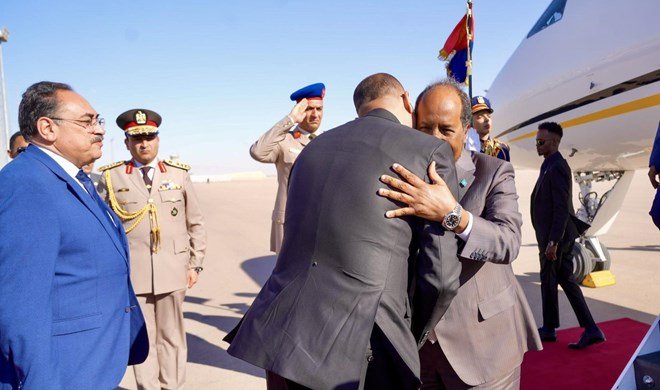
During Monday’s briefing, Miller disclosed that Blinken had engaged with Qatari Prime Minister Sheikh Mohammed bin Abdulrahman Al Thani and Egyptian Foreign Minister Badr Abdelatty. The discussions focused on regional tensions and the necessity of conveying to Iran that escalating the conflict would be detrimental to its interests.
“One of the points of the engagements that we have had is to urge countries to pass messages to Iran and urge countries to make clear to Iran that it is very much not in their interests to escalate this conflict, that it is very much not in their interest to launch another attack on Israel,” Miller stated.
While Miller did not specify whether these messages had been directly communicated to Iran or through which channels, he expressed confidence that the involved countries would convey the US’s stance effectively. “I would expect that some of them would pass that message along and impress that point upon the government of Iran,” he added.
The assassination of Haniyeh and the killing of Fuad Shukr have significantly raised the stakes in an already volatile region. The US’s proactive diplomatic approach underscores the urgency of preventing further escalation and the potential for a wider regional war. Washington’s strategy hinges on leveraging its international alliances to send a unified message to Tehran, emphasizing the high stakes and the broader implications of continued conflict.