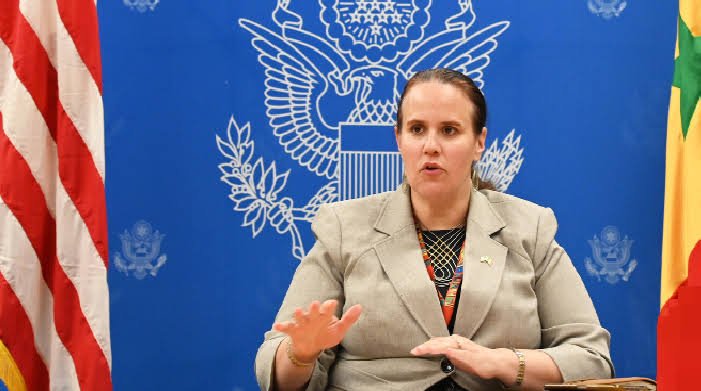
Vice President JD Vance attributes Republican midterm losses directly to the Iran conflict as Democrats secure control of Congress.
WARYATV GEOPOLITICAL ASSESSMENT
WASHINGTON — In the immediate aftermath of the 2026 US midterm elections, Vice President JD Vance moved publicly to distance himself from the administration’s foreign policy, attributing sweeping Republican losses across both houses of Congress directly to the military conflict with Iran.
In a post on X, Vance declared that “everyone knows why we lost” and argued that any honest strategy for the party must begin by recognizing the political costs of the war.
The election results delivered control of the House of Representatives and the Senate to the Democratic Party, establishing a major legislative counterweight to President Donald Trump’s second-term agenda.
High inflation, rising energy costs, and sustained military operations in the Middle East emerged as central factors driving voter realignment in key battleground districts.
Political Divergence at the Executive Level
Vice President Vance’s statements mark a notable public shift within the executive branch, highlighting long-standing tensions between traditional non-interventionist conservative factions and active foreign military engagements.
While President Trump acknowledged that the conflict was “part of” the electoral outcome while maintaining that the campaign was justified, Vance explicitly tied the defeat to voters rejecting the war and demanding a recalibration of Washington’s foreign alliances.
In response to the election outcome, official White House communications reiterated executive authority with a public message emphasizing that President Trump remains in office.
However, the shift in congressional leadership significantly alters the administration’s capacity to approve new defense appropriations, confirm judicial and executive nominees, or execute foreign policy initiatives without legislative oversight.
Geopolitical Implications for the Horn of Africa and Red Sea
The political shifts in Washington carry direct consequences for international security and maritime trade across the Red Sea and Gulf of Aden:
Legislative Oversight on Maritime Operations: Democratic control of Congress is likely to increase scrutiny over US naval deployments and military funding in the Middle East and surrounding maritime choke points.
Economic and Energy Market Volatility: Sustained instability in energy shipping corridors continues to impact global commodity prices, directly affecting import costs and maritime insurance rates for East African ports.
Reassessment of Foreign Commitments: Heightened debate over American foreign intervention could influence the scope of US diplomatic and security engagement across the Horn of Africa and regional trade zones.
WARYATV Assessment
The 2026 midterm results highlight how domestic economic pressures and foreign military commitments dynamically shape national governance and international strategy.
If the administration recalibrates its foreign policy stance to align with domestic pushback, regional powers across the Red Sea corridor must prepare for shifts in US security commitments. If political friction between the executive branch and Congress deepens, key international defense and economic initiatives may face prolonged legislative gridlock.