Iran Threat Warning Pushes U.S. Diplomatic Drawdown in Saudi Arabia
Embassies Become the Front Line
When Washington begins removing diplomats’ families, the signal matters—even if war has not yet begun.
A warning with operational consequences
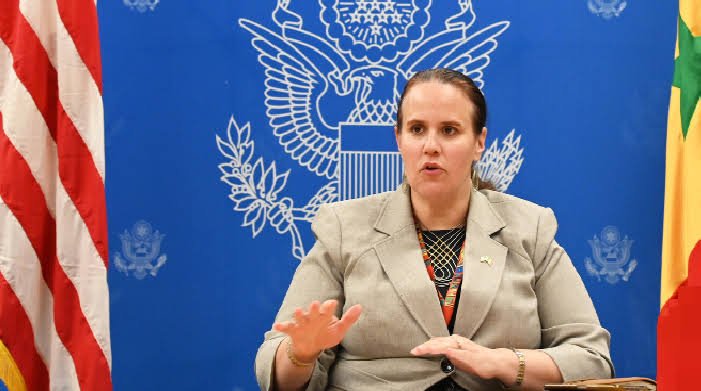
The United States ordered non-emergency government employees and diplomatic families to leave Saudi Arabia on October 23, citing missile, drone and broader security risks. The official advisory says attacks have affected Saudi airports, infrastructure, military installations and energy facilities.
Separately, Reuters reported that a U.S. intelligence memorandum warned that Iranian plans targeting American personnel had reached advanced stages.
The memo reportedly contributed to a broader review of embassy staffing and security across the region. Iran has not acknowledged preparing such operations, and the underlying intelligence has not been publicly released.
WARYATV assessment
Diplomatic withdrawals should not be presented as evidence that an attack is imminent. They are, however, measurable indicators that official risk calculations have changed.
Iran’s strategic advantage is geographical dispersion. It does not need to attack a heavily defended American base directly. Diplomatic compounds, transport routes, contractors and lightly protected facilities create a much broader pressure map. Even credible warnings can disrupt aviation, insurance, investment and embassy activity before an attack occurs.
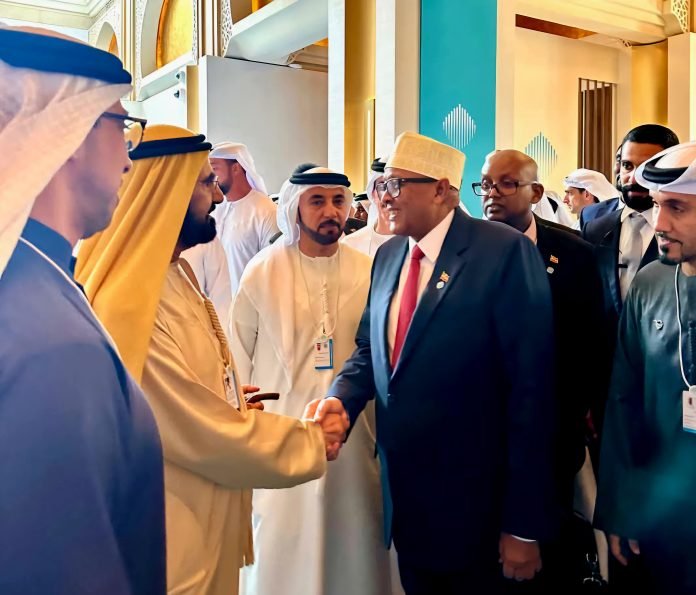
For Somaliland, the consequence would arrive economically. Escalation affecting Saudi Arabia or the Gulf could raise freight, fuel and food costs while reducing Gulf travel and investment.
Hargeisa should therefore monitor diplomatic-security decisions in Riyadh and Abu Dhabi as economic early-warning indicators—not merely foreign-policy news.