War’s Financial Second Front
The most damaging battlefield for poorer countries may be the balance sheet: fuel, fertilizer, shipping and debt-service costs are rising together.
Security shocks reach the IMF agenda
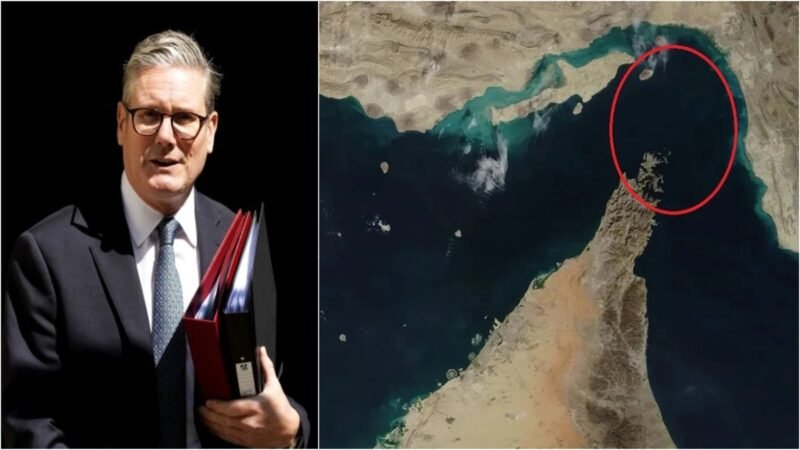
The Middle East war, disrupted energy markets and historically high public debt were set to dominate the IMF–World Bank meetings in Bangkok.
Low- and middle-income governments face higher fuel and fertilizer costs while refinancing debt under difficult conditions. Global public debt was projected to exceed 100 percent of GDP by 2030, while developing countries faced approximately $400 billion in 2026 debt payments.
WARYATV assessment
This is a security story because fiscal weakness reduces a state’s ability to import food, subsidize fuel, maintain infrastructure or finance emergency response.
Somaliland lacks the sovereign borrowing exposure of internationally recognized states, but that does not protect its population. Its vulnerability enters through private importers, dollar liquidity, freight charges and household prices.
A Red Sea or Hormuz disruption can therefore produce austerity-like consequences without a formal government debt crisis. Food and fuel reserves, diversified suppliers and transparent emergency purchasing become national-security tools.