The next African foreign-policy bargain may begin with a geological map and end with roads, security partnerships, export controls and votes in international forums.
Minerals are becoming alliance infrastructure
Critical minerals connect energy security, defence production, electric vehicles, electronics and advanced manufacturing. As supply concentration rises, the United States, Europe, China, Gulf states and Asian manufacturers are seeking preferred access, long-term offtake and processing partnerships across Africa.
This creates leverage for producing countries—but also pressure to choose sides. A mining agreement can bring power projects, railways, training and diplomatic attention. It can also produce debt exposure, opaque security arrangements and dependence on a single buyer.
The strongest position is portfolio diplomacy
African states should avoid granting one partner control over geological data, production, processing and export infrastructure. Competitive tenders, beneficial-ownership disclosure and transparent offtake terms allow governments to compare the total value of offers.
Regional coordination can prevent companies from playing neighbouring states against each other on tax and environmental standards.
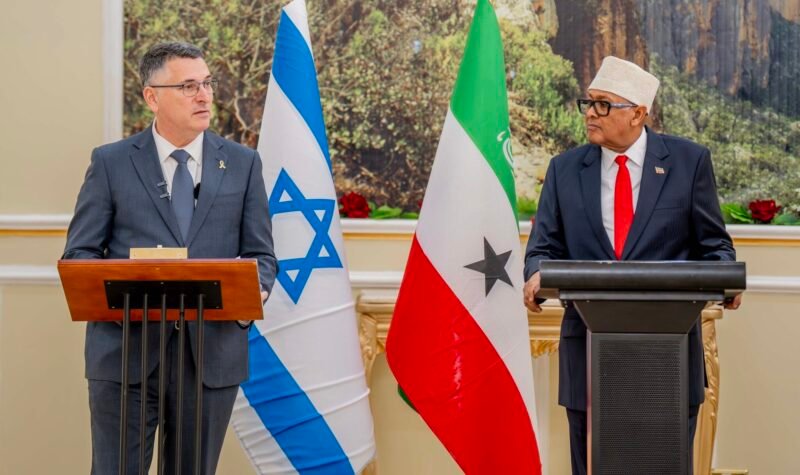
Somaliland would face an additional complication: partners may use mineral cooperation to deepen engagement without resolving recognition. That can still create economic benefit, but Hargeisa must distinguish a commercial memorandum from a political commitment. Mineral potential should not be exchanged for vague promises of diplomatic change.
WARYATV Assessment
Critical-mineral alliances will make African diplomacy more transactional and more strategic. Governments with reliable data, enforceable law and regional coordination will gain infrastructure and industrial capacity.
Those negotiating through secrecy may gain short-term cash while surrendering control over prices, information and land.
Somaliland’s priority should be a public cadastre and model mining agreement before high-level mineral diplomacy accelerates. In the new competition, geology creates attention; institutions determine who keeps the value.