Red Sea Escalation Is Turning Somaliland Into a Frontline Economic State
Red Sea militarization increases Berbera’s strategic importance while exposing Somaliland to higher costs, security pressure and dangerous ambiguity.
Geography no longer guarantees distance from war
Somaliland is not formally participating in the Yemen conflict, but it sits opposite one of its most dangerous maritime theatres. Houthi attacks, counterstrikes and military preparations near Bab el-Mandeb can affect shipping even without closing the strait.
The first shock would probably arrive through insurance, freight schedules and fuel prices—not through a direct attack on Somaliland.
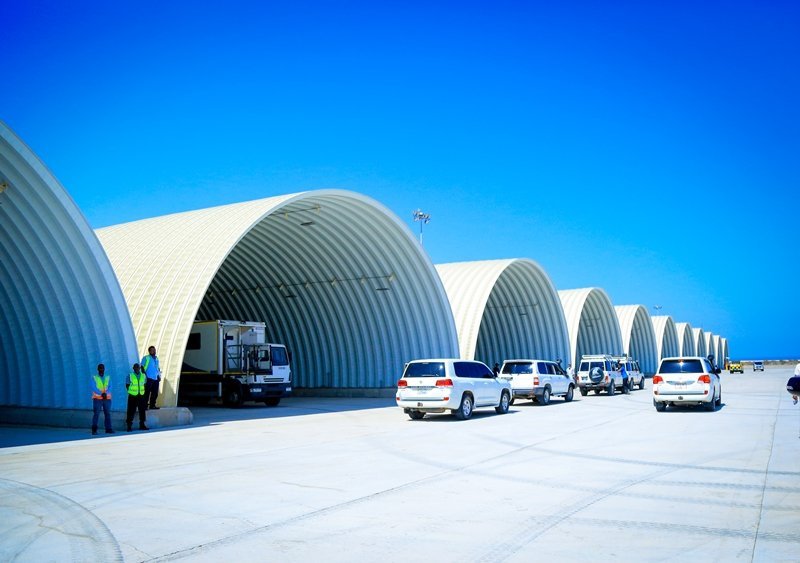
Berbera’s opportunity carries exposure
Disruption could encourage vessels, security partners and logistics companies to pay greater attention to Berbera. Yet the same geography makes the port, fuel infrastructure and coastal communications more strategically sensitive.
Claims concerning foreign military installations or specific attack plans remain disputed and should not be reported as established fact. What is verified is the growing international security interest in Somaliland’s coastline and the deepening relationship with Israel.
WARYATV Assessment
Somaliland requires a maritime-risk policy that separates commercial port activity, coastguard operations and any foreign security cooperation. Unclear arrangements can make civilian infrastructure appear military and unnecessarily increase exposure.
The government should strengthen vessel monitoring, port emergency procedures, oil-spill response, coastal surveillance and communication with fishing communities. It should also publish the legal process governing foreign military access.
The Red Sea crisis can increase Somaliland’s importance, but strategic attention is not automatically beneficial. Without careful rules, geography can turn an economic asset into a security liability.