Fish, frankincense, hides and selected livestock products could begin Somaliland–Israel trade, provided exporters meet certification and cold-chain requirements.
Somaliland–Israel Trade Could Begin With Fish and Frankincense
Somaliland does not need to wait for a free-trade agreement before testing the Israeli market. It already produces goods that could interest specialised importers, but the immediate opportunity lies in small, certified consignments—not optimistic promises of mass trade.
The strongest candidates are fish, frankincense and myrrh, hides and skins, selected livestock products and niche agricultural goods. Each faces a different obstacle: veterinary certification, cold storage, consistency, traceability or Israeli import approval.
Fish offers the clearest pilot
Somaliland’s Gulf of Aden coast supports tuna, kingfish, grouper, snapper and other commercially valuable species. Israel imports seafood, but Somaliland cannot compete simply by landing more fish. It must preserve quality from the boat to the buyer.
A credible pilot would connect licensed fishermen, an inspected processing facility, solar-powered cold storage and refrigerated transport through Berbera. Israeli buyers should approve product specifications before fishing begins. Otherwise, Somaliland risks producing cargo that reaches the market without meeting its requirements.
Livestock requires processing
Live-animal exports remain central to Somaliland’s economy, but Israel’s veterinary and religious requirements make immediate large-scale shipments unlikely. Chilled meat, hides, leather and animal by-products may offer a more manageable route if slaughter, inspection and traceability systems satisfy the importing authorities.
Somaliland should first seek technical recognition of its laboratories and quarantine procedures. Without credible certification, even high-quality products may be rejected.
Frankincense can enter as a premium product
Frankincense and myrrh from Sanaag have potential in cosmetics, fragrances, wellness products and research applications. These products are easier to ship than food but require consistent grading, sustainable harvesting and evidence of origin.
The greatest danger is exporting raw resin cheaply while foreign companies capture the value through cleaning, packaging and branding. Somaliland businesses should retain more processing locally.
Start with a controlled trade mission
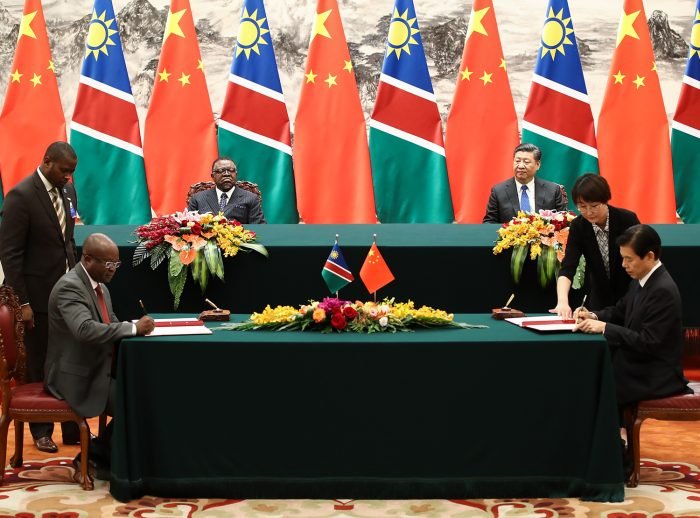
The two governments have already discussed expanding livestock and agricultural exports, while the emerging Israel–Somaliland Chamber identifies fisheries, agriculture and natural resources as priority sectors.
Somaliland should now select ten export-ready companies, match them with verified Israeli buyers and attempt five commercial shipments. The results would identify the real constraints: standards, payments, freight, volume or quality.
WARYATV assessment
Immediate trade is possible, but not at the scale sometimes implied by diplomatic statements. Somaliland should begin with products whose quality can be controlled and whose buyers are identified in advance.