Ukraine’s Patriot Crisis Shows How the Iran War Is Reshaping the Battlefield in Europe
President Volodymyr Zelensky’s latest warning is stark: Ukraine believes that even a modest increase in Patriot interceptor supplies could dramatically change its ability to defeat Russia’s ballistic missile campaign.
In an interview with CNN, Zelensky said Ukraine currently has only a fraction of the interceptors it needs. He argued that receiving roughly 5 percent of available additional supply could help Ukraine survive the winter, while 10 percent could allow it to intercept essentially all Russian ballistic missiles directed at the country.
The precise percentages are Zelensky’s political and military estimate, not an independently verifiable formula. But the underlying shortage is real.
Ukraine says allied deliveries of air-defense missiles in 2026 have fallen to roughly one-third of last year’s level even as Russia intensifies ballistic attacks on Kyiv and other cities. Patriot interceptors remain particularly critical because they are among Ukraine’s few proven defenses against Russian ballistic missiles.
The Iran war has made that shortage worse.
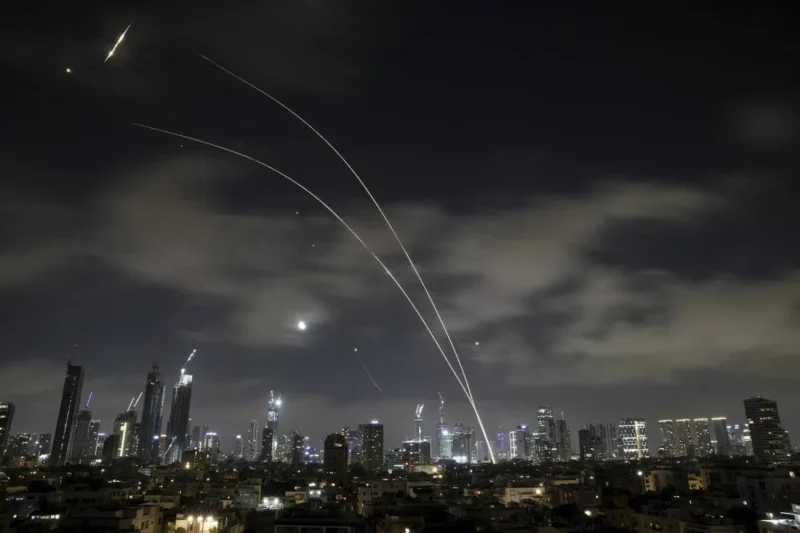
US and allied Patriot stocks are under severe pressure after months of defending American forces and regional partners against Iranian missiles. Washington is now accelerating production, with the Pentagon moving to triple Patriot output and dramatically expand THAAD manufacturing. But those increases will take time to reach operational inventories.
This creates a direct strategic connection between two wars that appear geographically separate.
Every interceptor required in the Middle East is one that cannot immediately be allocated elsewhere.
Russia understands that equation.
A shortage of Patriot missiles gives Moscow an incentive to increase ballistic attacks precisely when Ukraine’s defenses are thinnest. Russia does not need to destroy every Patriot battery. It can attempt to exhaust the missile stocks protecting Ukrainian cities faster than Western industry can replenish them.
That explains why Kyiv is pushing for something more durable than emergency deliveries.
Trump publicly said in July that Ukraine would be allowed to manufacture Patriot interceptors under license. Subsequent reporting, however, indicates that the industrial arrangement remains unresolved and that production inside Ukraine would take years rather than months.
Lockheed Martin and other defense companies are discussing possible cooperation, but there is still no immediate substitute for missiles drawn from existing Western inventories.
For Zelensky, that makes air defense one of the most consequential strategic questions of the war.
Ukraine can manufacture growing numbers of drones and increasingly strike Russian military and energy targets at long range. But offensive drones do not solve the immediate problem of Russian ballistic missiles reaching Ukrainian cities within minutes.
The shortage also strengthens Zelensky’s refusal to trade territory for an uncertain peace.
His argument is that any ceasefire that gives Russia time to rebuild could merely create the conditions for another invasion. He increasingly links Ukraine’s experience to wider NATO concerns that Vladimir Putin may eventually test a smaller alliance member if Moscow concludes Western deterrence is weakening.
WARYATV ASSESSMENT
Ukraine’s Patriot shortage demonstrates how modern wars are becoming connected through industrial capacity.
The United States can support Ukraine, defend Gulf allies and prepare for China—but it cannot fire the same interceptor in three theaters.
That is the strategic bottleneck.
Russia does not need America to abandon Ukraine completely. It benefits every time another crisis competes for the same limited missile inventory.
Zelensky’s demand is therefore bigger than a Ukrainian weapons request.
It is a warning about Western deterrence itself.
If the United States and Europe cannot manufacture advanced interceptors faster than Russia, Iran and other adversaries can fire ballistic missiles, then the military advantage begins shifting from technological superiority toward industrial endurance.
Ukraine knows exactly what that means.
On nights when Patriot magazines are nearly empty, Russian ballistic missiles do not need to become more sophisticated.
They simply need to keep coming.