Kulmiye Elects Mohamed Kahin as Its Presidential Candidate for Somaliland’s 2029 Election
HARGEISA — Kulmiye Begins Its Political Comeback
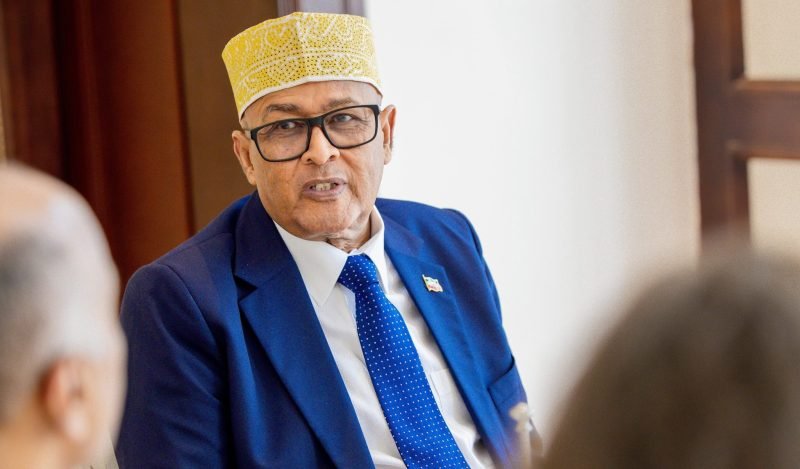
Somaliland’s opposition Kulmiye Party has elected veteran politician Mohamed Kahin Ahmed as its presidential candidate for the 2029 election, formally beginning the party’s effort to return to power after its defeat in 2024.
Kahin secured 409 votes during Kulmiye’s ninth Central Council meeting in Hargeisa on Tuesday. Delegates also selected Dr. Mohamed Mahmoud Abdillaahi Shiine, a politician from the Awdal region, as the party’s vice-presidential candidate.
The early nomination gives Kulmiye nearly three years to rebuild its national organization, redefine its political message and challenge President Abdirahman Irro’s governing Waddani Party.
A Ticket Built Around Experience and Geography
Kahin is one of Kulmiye’s most experienced figures and has held senior political and security responsibilities during the party’s years in government.
His selection signals that Kulmiye is prioritizing institutional experience, party discipline and continuity rather than introducing a younger or less established candidate.
The choice of Dr. Shiine as running mate also carries strategic importance. By selecting a vice-presidential candidate from Awdal, Kulmiye appears determined to broaden its western electoral coalition and compete more effectively in a region that will be crucial in the next presidential contest.
In his acceptance speech, Kahin pledged to continue Somaliland’s campaign for international recognition while promoting development, democracy and national unity.
New Central Council Leadership
The meeting also elected Muse Ibrahim Yusuf Salaf as chairman of Kulmiye’s Central Council.
Ahmed Mahmoud Jama became deputy chairman, while Hirsi Abdillaahi Hirsi was elected council secretary.
Delegates additionally approved 211 new members for the Central Council, significantly expanding the body that will guide the party’s political and organizational direction.
The enlargement could help Kulmiye mobilize new constituencies. It may also shift the internal balance of power by strengthening the leadership surrounding Kahin.
High-Profile Absences Reveal Internal Tension
The conference was notable for the absence of several prominent party figures, including former president Muse Bihi Abdi, former spokesperson Abdinasir Mohamed Hassan Buuni, senior official Mahmoud Hassan Saad Saajin, former livestock minister Said Sulub Mohamed and diplomat Osman Badmaah.
Local reporting linked some of the absences to disagreements over changes in the party’s senior leadership, although the absent officials have not all publicly provided the same explanation.
Their absence demonstrates that Kahin’s nomination does not automatically resolve Kulmiye’s internal divisions.
The party has experienced prolonged debate over leadership, responsibility for its electoral defeat and the political coalition required to regain power. Earlier analysis described competing strategies between figures seeking to preserve Kulmiye’s traditional alliance structure and those advocating a major political realignment.
WARYATV Strategic Assessment
Mohamed Kahin has secured the presidential nomination, but his larger challenge will be securing the entire party.
Kulmiye remains one of Somaliland’s most experienced political organizations. It governed the country for fourteen years under Presidents Ahmed Silanyo and Muse Bihi and retains strong networks across government, business and local communities.
However, the party enters the 2029 contest after a decisive national defeat. President Irro defeated Muse Bihi in the November 2024 election, ending Kulmiye’s long period in power through another peaceful transfer of authority.
Kahin must now accomplish three objectives.
He must reconcile competing factions, present a convincing alternative to Waddani and expand Kulmiye beyond the political alliances on which it previously depended.
The early selection of a complete ticket gives him valuable time. But announcing candidates four years after losing office is easier than rebuilding public confidence.
Kulmiye has chosen its standard-bearer.
The real contest now begins inside the party—before it reaches the national ballot box.