Why Netanyahu’s Biggest Test Begins After Trump’s Iran U-Turn
For months, Israel believed Washington was committed to breaking Iran’s power. Now many in Jerusalem fear the war may end with Tehran wounded—but still standing.
The most dangerous moment in a war is often not at its beginning, but at the moment victory appears within reach.
That is the fear now spreading through parts of Israel’s political and security establishment as the conflict with Iran enters a new phase. After months of military pressure, unprecedented strikes against Iranian infrastructure, and severe damage to Tehran’s regional network, the prospect of a negotiated settlement is triggering a fierce debate over whether the United States is about to settle for less than it originally promised.
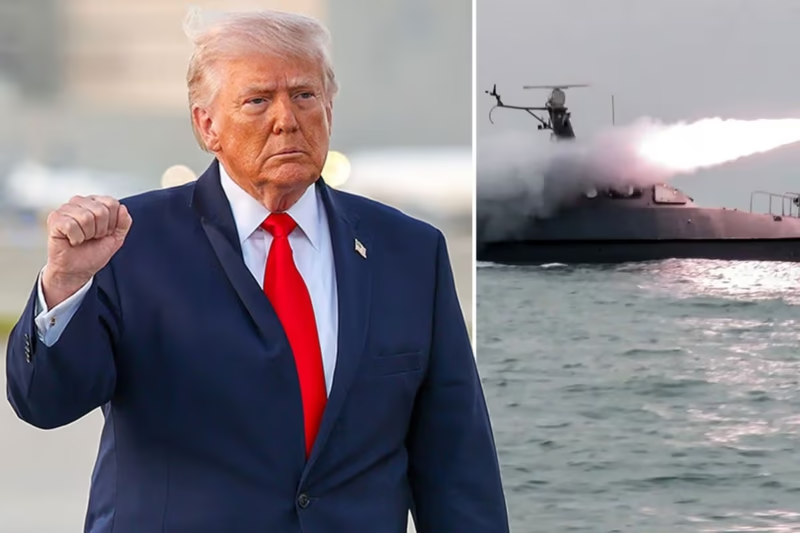
For Israeli hawks, President Donald Trump’s evolving position represents a strategic retreat. They argue that Washington began this conflict speaking the language of decisive victory but is now increasingly focused on diplomacy, ceasefires, and compromise. To them, preserving the Iranian regime while easing economic pressure risks allowing Tehran to recover, rebuild its military capabilities, and eventually resume the regional ambitions that sparked the confrontation.
Their criticism extends beyond Israel’s security concerns. They argue that any agreement leaving the Islamic Republic intact would disappoint Iranian opposition movements that interpreted American rhetoric as support for fundamental political change. Gulf Arab partners that quietly aligned themselves with Washington and Jerusalem may also question whether the United States remains willing to sustain long-term pressure when conflicts become politically difficult.
Yet the reality is more complicated than the language of betrayal suggests.
The Trump administration appears to believe that preventing Iran from obtaining a nuclear weapon—not regime change—is the achievable strategic objective. From Washington’s perspective, avoiding a prolonged regional war while extracting major concessions from Tehran may represent success rather than surrender. American officials understand that history is filled with conflicts where maximalist goals prolonged wars without producing better outcomes.
The challenge for Israel is that its interests do not perfectly overlap with those of the United States. Israel lives in the neighborhood. America does not.
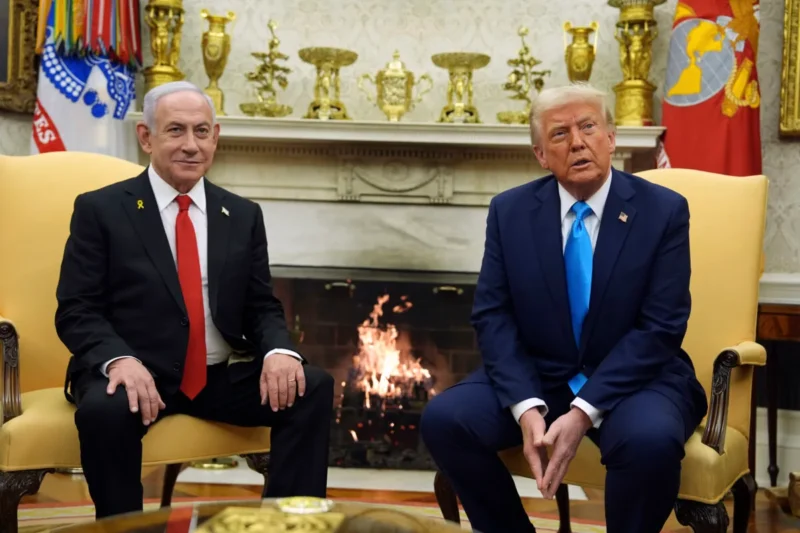
That reality places Prime Minister Benjamin Netanyahu at the center of a defining leadership test. He must preserve the strategic alliance with Washington, which remains Israel’s most important source of diplomatic, military, and economic support. At the same time, he faces pressure from Israeli security circles to maintain military positions in key areas of Gaza, southern Lebanon, and along the Syrian front, regardless of American preferences.
For Netanyahu, the question is no longer simply how to confront Iran. It is how to balance dependence on the United States with Israel’s determination to maintain freedom of action.
The next phase of the conflict may determine whether the war is remembered as a turning point that permanently weakened Iran’s regional influence—or as another chapter in the Middle East’s long history of unfinished victories.