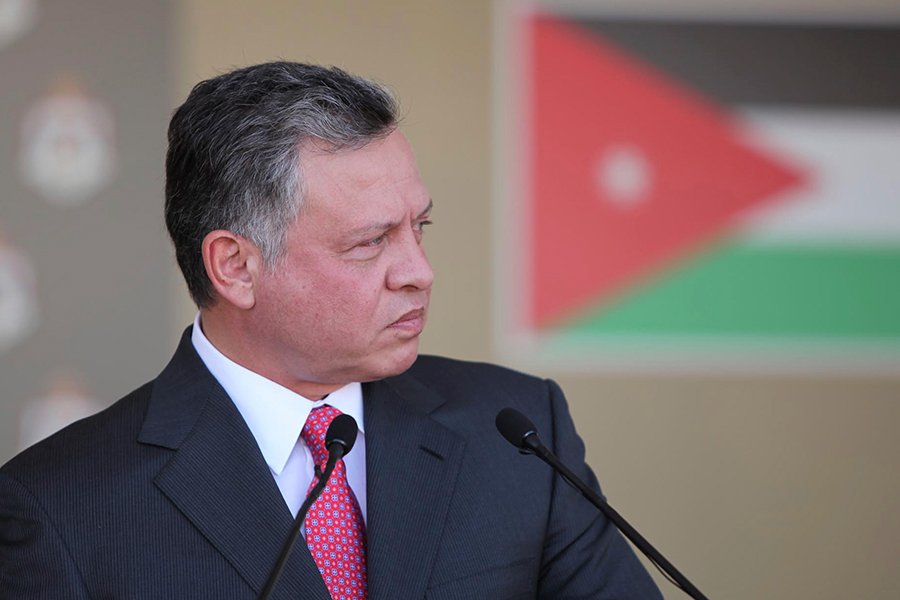
Livestock is not just tradition in Somaliland—it is currency, identity, and survival. Today, the state put it at the center of national strategy.
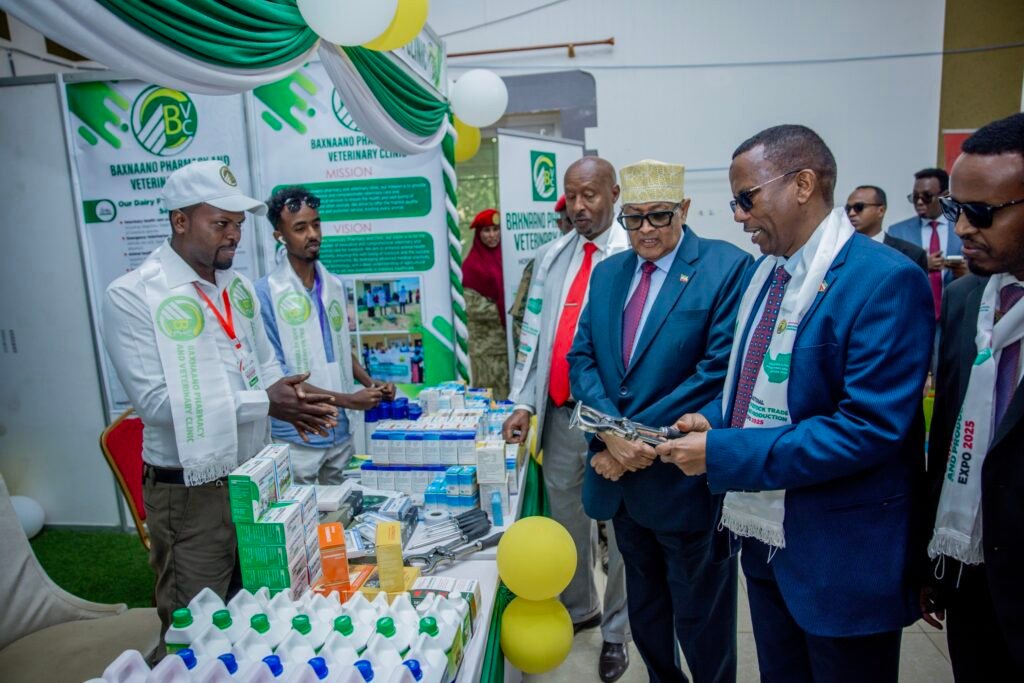
President Abdirahman Mohamed Abdullahi Irro on Tuesday inaugurated Somaliland’s first-ever Livestock Trade and Production Fair, marking a symbolic and strategic moment for a sector that underpins the country’s economy, culture, and global trade.
The two-day national fair, held at the Grand Haadi Hotel, was organized by the Ministry of Livestock and Rural Development in collaboration with partner institutions and stakeholders. It brought together government officials, producers, traders, investors, and technical experts to showcase the untapped potential of Somaliland’s livestock industry.
Opening the event, senior officials from the ministry—including Director General Ahmed Osman Jama (Talo-same) and Minister Dr. Omar Shuaib Mohamed—outlined the objectives of the fair. They emphasized strengthening the entire livestock value chain, from animal care and production to trade, marketing, and export competitiveness.
The fair, they said, is designed to encourage innovation, improve productivity, and unlock new business opportunities—key steps toward boosting incomes, creating jobs, and accelerating national economic growth.
In his keynote address, President Irro described livestock as “the foundation of Somaliland’s economy, the symbol of our heritage and culture, and the core of our national identity.” He stressed that the sector remains the backbone of the country’s gross domestic product and the primary source of hard currency earned through live animal exports.
“Every person in Somaliland,” the president said, “testifies daily to the importance of livestock in our lives.”
At the same time, Irro delivered a candid assessment of the challenges facing the sector. Environmental degradation, recurring droughts, and climate change, he noted, have exposed outdated livestock management practices that are no longer sustainable. Addressing these realities, he said, requires a fundamental shift in how livestock are raised, protected, and commercialized.
The president outlined a series of government initiatives aimed at modernizing the sector, including the development of improved livestock farming systems, the creation of new grazing parks across the country, pasture preservation, environmental protection, disease control, and climate resilience measures.
Crucially, Irro used the platform to send a message beyond Somaliland’s borders. He welcomed the presence of national and international investors and experts, underscoring that Somaliland’s livestock, trade, and investment sectors are open to partners willing to engage on fair and equitable terms.
The Livestock Trade and Production Fair is more than an exhibition. It represents a strategic pivot—an effort to move Somaliland’s most vital sector from tradition-driven survival to market-driven growth, without losing the cultural foundation that defines it.
For a country whose economic lifeline still walks on four legs, the message from Hargeisa was clear: livestock is not just history—it is the future.