Jubaland’s President Ahmed Madobe claims his regional intelligence agency now surpasses Somalia’s NISA, revealing a deepening struggle for control of security power in the Horn of Africa.
Jubaland President Ahmed Mohamed Islam (Ahmed Madobe) has publicly claimed that his regional intelligence agency now outperforms Somalia’s National Intelligence and Security Agency (NISA)—a declaration that deepens the growing rift between Kismayo and Mogadishu over control of national security institutions.
Speaking at the inauguration of the new Jubaland Intelligence and Security Agency (JISA) headquarters in Kismayo on Tuesday, Madobe said his agency has become the “go-to service in the Horn of Africa” for credible intelligence operations.
“When it comes to security information in the Horn of Africa, the agency everyone turns to today is Jubaland’s Intelligence and Security Agency,” he said. “Even Somalia’s federal government comes after us.”
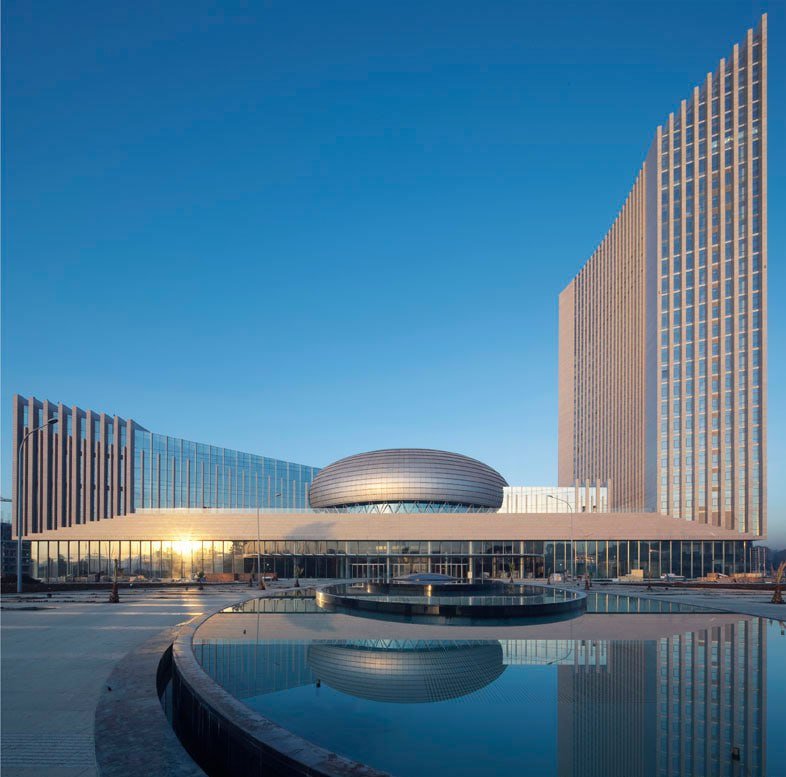
The remarks, delivered at a gleaming new JISA facility outfitted with advanced surveillance and communications systems, are a direct challenge to Mogadishu’s centralized security authority.
Officials close to JISA describe the new complex as a regional fusion center designed to coordinate counterterrorism, electronic intelligence, and cross-border monitoring—an investment more than a decade in the making since the agency’s founding in 2013.
According to regional sources, JISA officers have received foreign-backed technical training, including in cyber forensics and counterinsurgency tactics, specifically aimed at dismantling Al-Shabaab’s networks in southern Somalia.
Madobe’s speech, however, carried clear political undertones. It follows escalating tensions between Jubaland and the federal government of President Hassan Sheikh Mohamud, which has long sought to reassert control over Gedo and other border regions.
Lawmakers representing Jubaland recently accused Mogadishu of “weaponizing national institutions for political interference,” warning that federal overreach could “destroy the foundations of Somalia’s federal system.”
The new JISA facility is not merely a security milestone—it is a symbol of autonomy. Analysts see it as Jubaland’s attempt to signal that effective governance and intelligence leadership can exist outside Mogadishu’s reach.
Diplomatic observers note that Kenya—long an influential actor in Jubaland’s affairs—is quietly backing Madobe’s push for regional stability, seeing it as a buffer against renewed Al-Shabaab incursions along the border.
Nairobi has urged both sides to de-escalate and return to the National Consultative Council (NCC), but talks in Kismayo last month failed to yield results.
Behind the diplomatic language lies a deeper struggle: a contest for who truly commands Somalia’s security architecture. If Madobe’s claims hold true, JISA’s rise may force both Mogadishu and its international partners to rethink where real intelligence power lies—in the capital, or in Kismayo’s newly fortified nerve center.