A foreign base must bring the defences needed to protect civilians and trade.
WARYATV SECURITY ASSESSMENT
Berbera is becoming more valuable—and therefore more exposed.
The port’s location across the Gulf of Aden from Yemen, Somaliland’s relationship with Israel and growing Western interest in the airfield could place the city inside the calculations of armed actors if the Red Sea conflict expands.
That does not mean an attack is imminent. It means Somaliland must plan before strategic attention becomes military vulnerability.
The immediate threat is across the water
The Houthis have demonstrated their ability to attack ships and fixed infrastructure using missiles, drones and explosive boats. In June, they announced restrictions against Israeli-linked shipping; subsequent threats widened toward vessels using Saudi ports. Target identification has not always been reliable.
Renewed fighting has since strengthened Houthi control along Yemen’s Red Sea coast and increased uncertainty around the Bab el-Mandeb.
Berbera could enter that conflict if foreign forces used it for surveillance, interceptions or attacks against Yemen.
Affiliation can create exposure
Somaliland’s defence minister confirmed Israeli training for Somaliland forces but denied negotiations over an Israeli base. Reports of a larger foreign military facility remain contested and should not be treated as established fact.
The risk would change materially if Berbera hosted combat aircraft, missile systems, intelligence operations or naval missions directly supporting attacks on the Houthis or Iran.
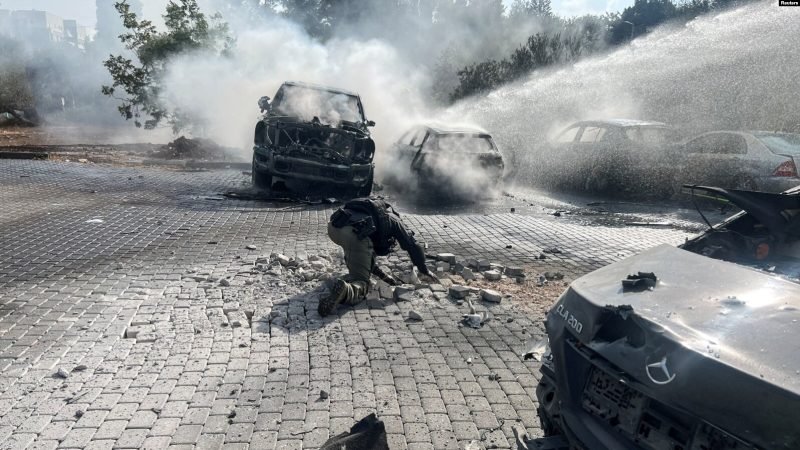
Possible threats would include drone or missile attacks, sabotage, cyberattacks against port systems and assaults by regional militant networks. Al-Shabaab has already threatened Somaliland following Israel’s recognition.
Civilian infrastructure needs protection
Somaliland should require a classified threat assessment before approving any foreign military arrangement. It also needs:
- radar and early-warning coverage;
- counter-drone capabilities;
- firefighting and mass-casualty preparedness;
- protected fuel and ammunition storage;
- redundant port communications;
- cyber protection for customs and terminal systems;
- evacuation plans for surrounding communities.
Commercial operations should be separated from military facilities wherever possible. If conflict closes the port, the consequences would extend far beyond the military: food imports, fuel, government revenue and employment would all suffer.
WARYATV assessment
Berbera is not automatically a Houthi target because Somaliland works with Israel or the United States. The danger depends on what foreign partners do from the territory and how openly Berbera becomes connected to offensive operations.
Somaliland should not reject security partnerships out of fear. It should price the risk honestly and demand the defensive capabilities required to protect civilians and commerce.
A strategic base without air defence, continuity planning and public oversight would not strengthen Somaliland. It would import a regional war without importing sufficient protection.