Hotels, airports, oil sites—Gulf states say they’re being dragged into a war they didn’t choose.
The Gulf is no longer on the sidelines of the Iran war—it is now at its center.
The secretary general of the Gulf Cooperation Council, Jasem al-Budaiwi, has issued one of the strongest regional condemnations yet, accusing Iran of directing more than 85 percent of its recent attacks toward Gulf countries.
The targets, he said, go far beyond military sites.
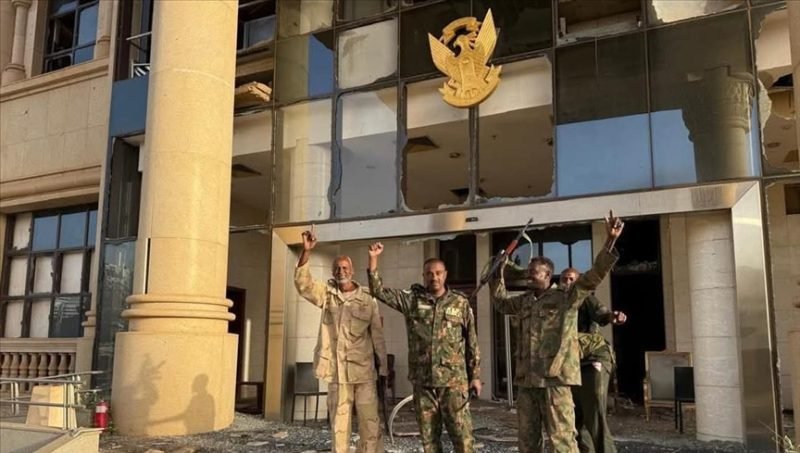
According to al-Budaiwi, Iranian strikes have hit hotels, embassies, water facilities, airports, and key energy infrastructure—civilian locations that underscore how the conflict is expanding in both scope and consequence.
Oil refineries in Saudi Arabia, Qatar, the United Arab Emirates, and Kuwait have reportedly been among the sites affected, raising immediate concerns about energy supply and economic stability.
The message from Gulf leaders is direct: they are being pulled into a war they insist they are not part of.
Despite repeated efforts to avoid escalation and assurances offered to Tehran, al-Budaiwi said the region has been met with missile attacks and growing instability.
He rejected what he described as attempts to turn Gulf states into arenas for broader geopolitical confrontation, warning that such a trajectory risks igniting a wider regional conflict.
At the heart of the concern is the Strait of Hormuz.
The narrow waterway, through which a significant portion of the world’s oil flows, has become both a strategic lever and a flashpoint. The GCC chief accused Iran not only of targeting infrastructure near the strait but also of attempting to impose transit fees—moves he described as violations of international law governing freedom of navigation.
That combination—military pressure and economic leverage—has elevated the stakes.
For Gulf states, the issue is no longer abstract. Attacks on energy facilities and critical infrastructure threaten not only national security but also the functioning of the global economy. Any sustained disruption could reverberate through oil markets, shipping routes, and supply chains far beyond the region.
The response, for now, remains measured but firm.
Al-Budaiwi emphasized the right of Gulf countries to self-defense while calling for an immediate halt to attacks and greater inclusion of regional actors in any ceasefire negotiations between the United States and Iran. The demand reflects a growing sense that decisions about the conflict cannot be made without those most directly affected by its consequences.
The underlying reality is shifting.
What began as a confrontation centered on Iran, Israel, and the United States is evolving into a broader regional crisis, with Gulf states increasingly exposed to both its military and economic fallout.
And as those pressures mount, the line between indirect involvement and direct participation becomes harder to maintain—raising the risk that a war once seen as contained could expand into something far more difficult to control.