Wars aren’t lost only on battlefields. They’re lost at the gas pump — and voters are watching.
Rising Energy Prices and Public Backlash Over Iran War Threaten to Undermine President’s Political Standing.
President Donald Trump may believe the war with Iran can be managed militarily. Politically, it is a far riskier bet.
The administration has projected confidence since launching joint operations with Israel, framing the campaign as decisive and limited. Trump has argued that any spike in oil prices is temporary — a “small price to pay” for eliminating what he calls an Iranian nuclear threat.
Markets, at least initially, have not panicked. The S&P 500 remains near historic highs, and the United States is less dependent on imported crude than during the oil shocks of the 1970s.
But wars are not judged by stock indices alone. They are measured in household costs.
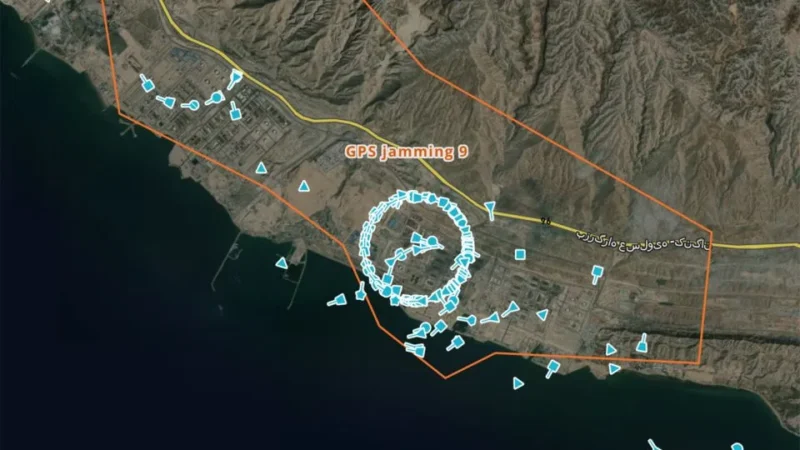
Oil prices are set globally. Even a country producing more of its own energy cannot fully insulate itself from a disruption in the Strait of Hormuz, through which roughly one-fifth of the world’s oil passes.
Gasoline prices have already climbed above $3.50 a gallon nationwide. Federal projections suggest retail fuel prices may not return to prewar levels until well into 2027.
That matters politically. Fuel costs ripple outward: trucking firms pass on higher diesel expenses; airlines adjust fares; farmers facing higher fertilizer and transport bills raise food prices. Inflation, which had begun stabilizing earlier this year, now faces renewed pressure.
Any delay in Federal Reserve rate cuts would further strain borrowers and investors alike.
The war’s unpopularity compounds the economic risks. Unlike previous military engagements that rallied public support in their early phases, polling indicates skepticism from the outset.
Americans appear wary of open-ended commitments, particularly those framed around regime change or “unconditional surrender” — goals that history suggests are far harder to achieve than to declare.
Trump’s team has attempted to blunt the economic fallout: proposing naval escorts for tankers, easing certain sanctions on Russian oil exports, and exploring expanded Venezuelan production. But stabilizing global energy markets typically requires either de-escalation or a decisive reduction in the adversary’s capacity to disrupt supply — outcomes that are neither swift nor guaranteed.
The deeper challenge lies in strategic clarity. Tactical success from the air does not automatically produce political victory on the ground. Iran’s Revolutionary Guards and allied networks retain the capacity to endure and retaliate asymmetrically.
Survival, for Tehran, can itself be framed as resistance.
For Trump, the dilemma is acute. Backing down from maximalist rhetoric risks appearing weak. Escalating further — potentially with ground forces — risks prolonging both the conflict and the economic pain.
American presidents are rarely undone solely by foreign adversaries. More often, it is domestic fatigue and economic strain that erode support.
If higher prices persist and the war drags on without a clear endpoint, the battlefield that matters most may not be in the Middle East at all — but in suburban swing districts and restless households weighing their costs.
Military campaigns can be declared “complete.” Voters’ verdicts are less easily controlled.