Russia’s Foreign Ministry has sharpened its rhetoric toward Berlin, accusing newly installed German Chancellor Friedrich Merz of “forced militarisation” and escalating hostility against Moscow.
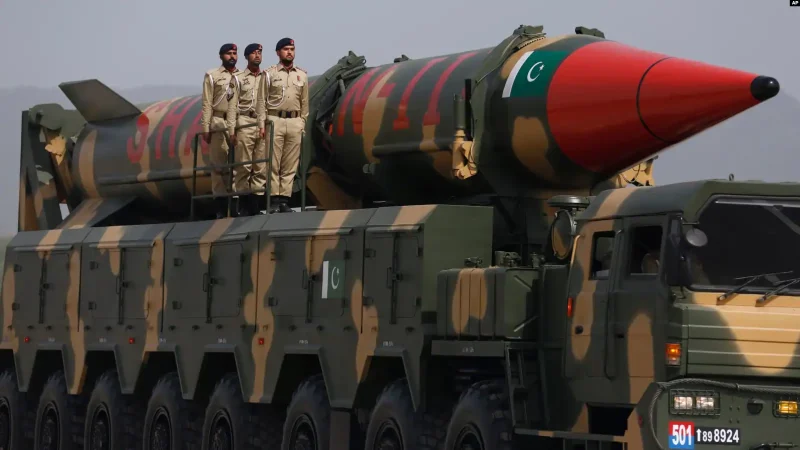
Spokeswoman Maria Zakharova told reporters that Merz’s rapid pledge to lift German defence outlays to three-and-a-half percent of GDP by 2029, his early visit to Kyiv and his public backing for Ukrainian long-range strikes inside Russia all amount to a stark, “aggressively militant” pivot in Berlin’s policy.
For the Kremlin, the timing is sensitive. Germany met NATO’s two-percent spending threshold only this year; Merz’s plan would nudge Berlin toward the alliance’s top tier of defence contributors within five years.
Moscow reads that trajectory—coupled with new German artillery and air-defence packages flowing to Kyiv—as fresh evidence that Europe’s largest economy is embedding itself in a long war of attrition against Russia.
Zakharova framed the policy shift as a threat not just to Russian security but to German citizens, invoking post-Cold-War memories of Berlin’s traditionally cautious military posture.
Berlin has not formally replied, yet officials close to Chancellor Merz argue the spending surge is the logical response to Russian missile and drone attacks deep inside Ukraine and Moscow’s own plans to expand its army to 1.5 million personnel.
Merz’s harder line underscores a wider recalibration inside NATO. Washington remains preoccupied with Indo-Pacific priorities, Paris is supplying its own long-range missiles to Ukraine, and Warsaw is rearming at pace.
Germany’s move signals that Europe’s economic heavyweight is prepared to shoulder a greater share of the continent’s defence burden—and accept higher political risk—in deterring Russia.
While Zakharova’s statement stops short of outlining concrete counter-measures, Russian diplomats are likely to use the accusation of German “militarisation” to press fence-sitting countries in the Global South and to stiffen domestic resolve. For Berlin, the sharper rhetoric will test public support for sustained defence spending at a moment of slowing economic growth.
In practical terms, Germany’s rearmament programme means larger procurement contracts for artillery rounds, air-defence systems such as the Arrow-3 interceptors, and expanded production of Leopard tanks.
It also raises the prospect of German forces taking on a more forward‐deployed posture along NATO’s eastern flank.
Whether Merz’s defence push cements a long-term shift or collides with budgetary headwinds will become clearer in next year’s spending bills. For now, Moscow’s warning sets the tone: Berlin’s military ambitions are firmly on the Kremlin’s radar, and Germany’s internal debate over its new security role is likely only just beginning.