Leadership vacuum. Regional retaliation. Oil routes at risk. The Middle East conflict is entering a dangerous new phase.
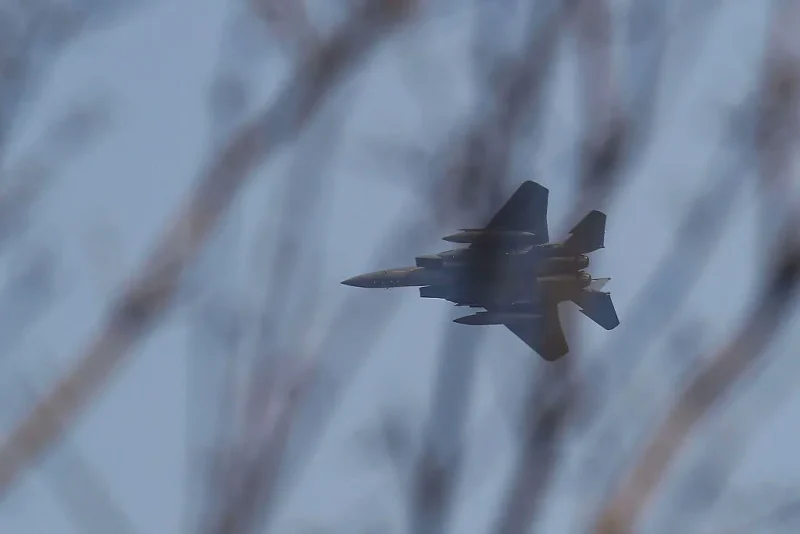
Israeli airstrikes shook Tehran on Sunday as Iran expanded its missile retaliation across Israel and several Gulf states, deepening a fast-moving regional confrontation that began with coordinated US–Israeli attacks a day earlier.
Iranian authorities say more than 200 people have been killed since the campaign began. Blasts in Tehran sent thick smoke rising over areas that include government compounds, though specific targets were not immediately confirmed.
The escalation follows widespread claims — including statements from US and Israeli officials — that Iran’s Supreme Leader Ayatollah Ali Khamenei was killed in the initial strikes. Iranian state media later announced a 40-day mourning period and said a governing council had begun work, though full independent international verification remains limited.
Iran’s President Masoud Pezeshkian confirmed in a prerecorded address that a new leadership council is operating as the country manages what would be its most significant power transition since 1989.
Missile exchanges have widened geographically. Loud detonations were heard in Tel Aviv, where Israeli rescue services reported eight deaths and dozens of injuries in Beit Shemesh, bringing the Israeli toll to at least 10.
Iranian parliamentary speaker Mohammad Bagher Qalibaf vowed retaliation, warning that Israel and the United States would face “devastating blows.” President Donald Trump responded with a stark warning against further escalation, promising overwhelming force if attacks continue.
The conflict has also spilled beyond the two countries. Saudi Arabia, the United Arab Emirates, Kuwait, Bahrain, Qatar and Jordan reported intercepting projectiles or drones. In Abu Dhabi, falling debris reportedly caused casualties and structural damage. Attacks were also reported near US facilities in Iraq.
The economic implications are mounting. Roughly 20 percent of global oil shipments pass through the Strait of Hormuz, and energy markets are bracing for volatility if maritime security deteriorates.
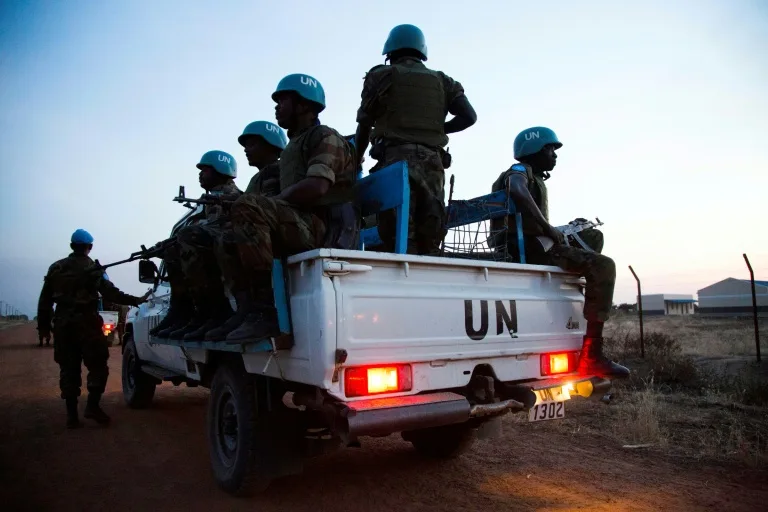
At the United Nations, Secretary-General António Guterres urged immediate de-escalation. Russia and China condemned the strikes, while Washington defended them as necessary to prevent Iran from acquiring nuclear weapons.
Whether this confrontation stabilizes or accelerates into a prolonged regional war may hinge on Iran’s succession process — and on how far Washington and Tel Aviv are prepared to push their campaign in the days ahead.