From Recognition to Alliance: Somaliland President Irro Meets Israeli President Isaac Herzog and Eric Trump in Davos, Marking a New Strategic Era.
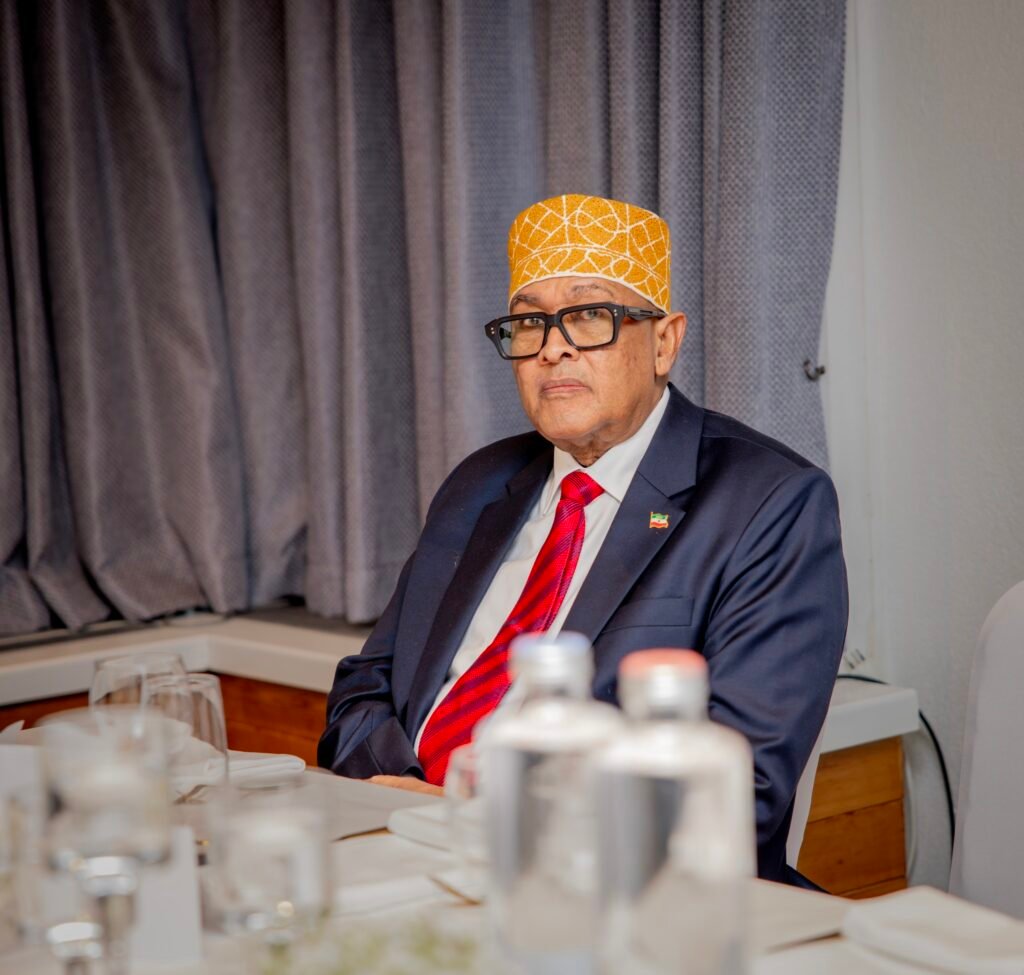
In the rarefied corridors of Davos, where power is often exercised more quietly than it is announced, President Abdirahman Mohamed Abdulaahi “Irro” delivered a moment that may redefine Somaliland’s global posture.
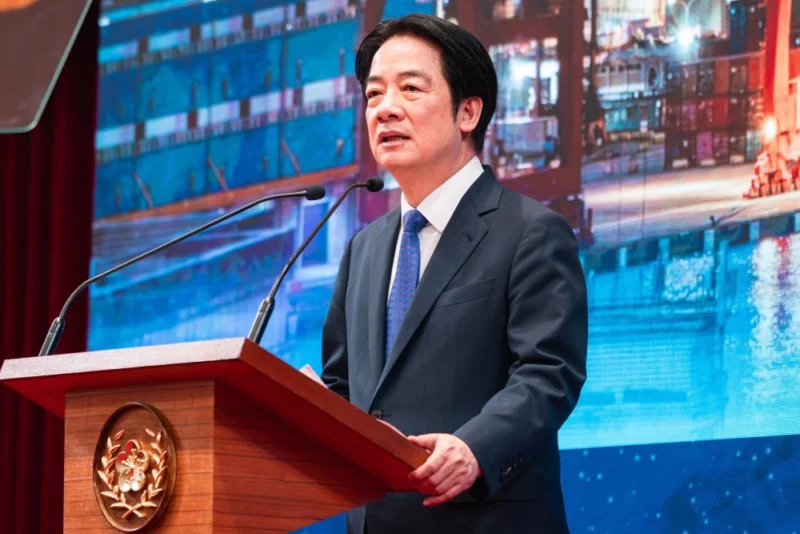
At a historic dinner meeting in Switzerland, the President of the Republic of Somaliland sat alongside the President of the State of Israel, Isaac Herzog, and Eric Trump, son of the President of the United States — a tableau that speaks louder than any formal communiqué.
This was not ceremonial diplomacy. It was strategic choreography.
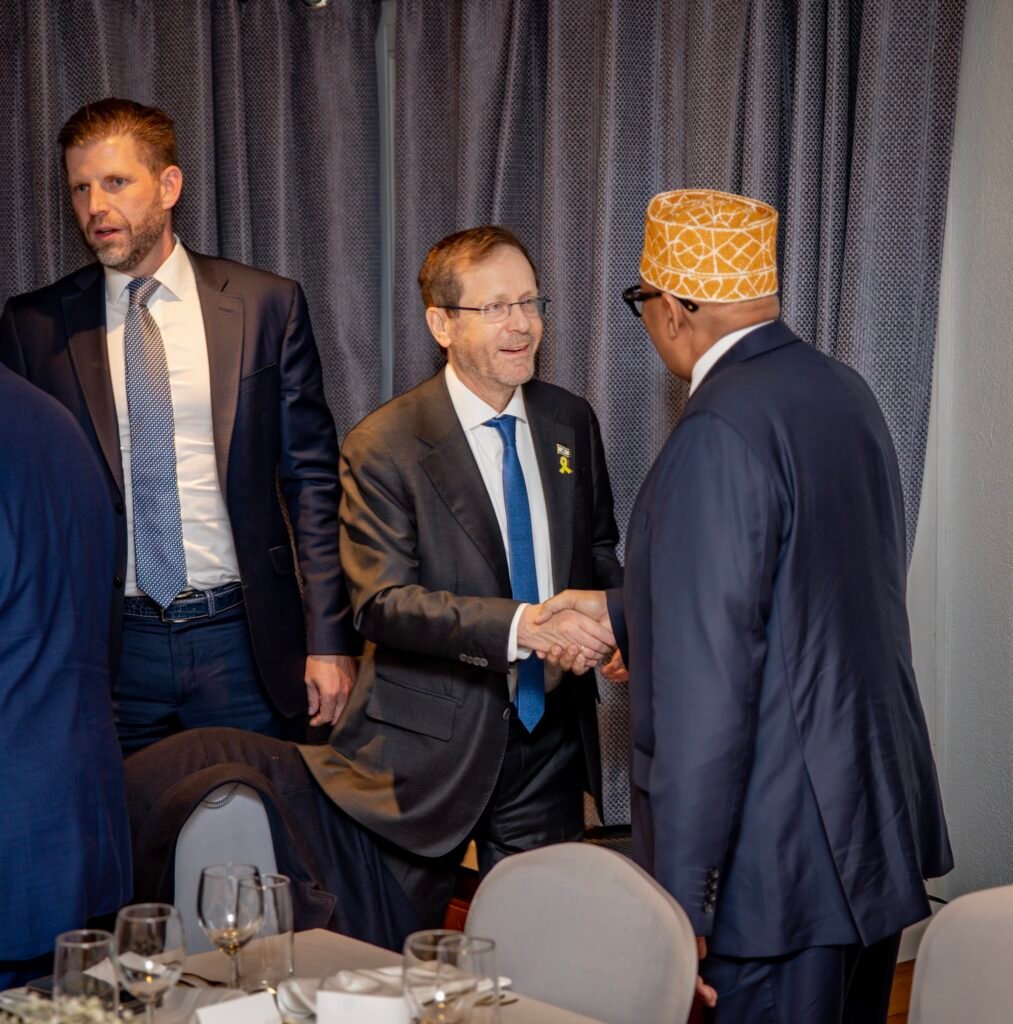
The meeting marked the first high-level public engagement following Israel’s official recognition of Somaliland on December 26, 2025 — a decision that shattered three decades of diplomatic inertia and repositioned Somaliland firmly within the architecture of emerging global alliances.
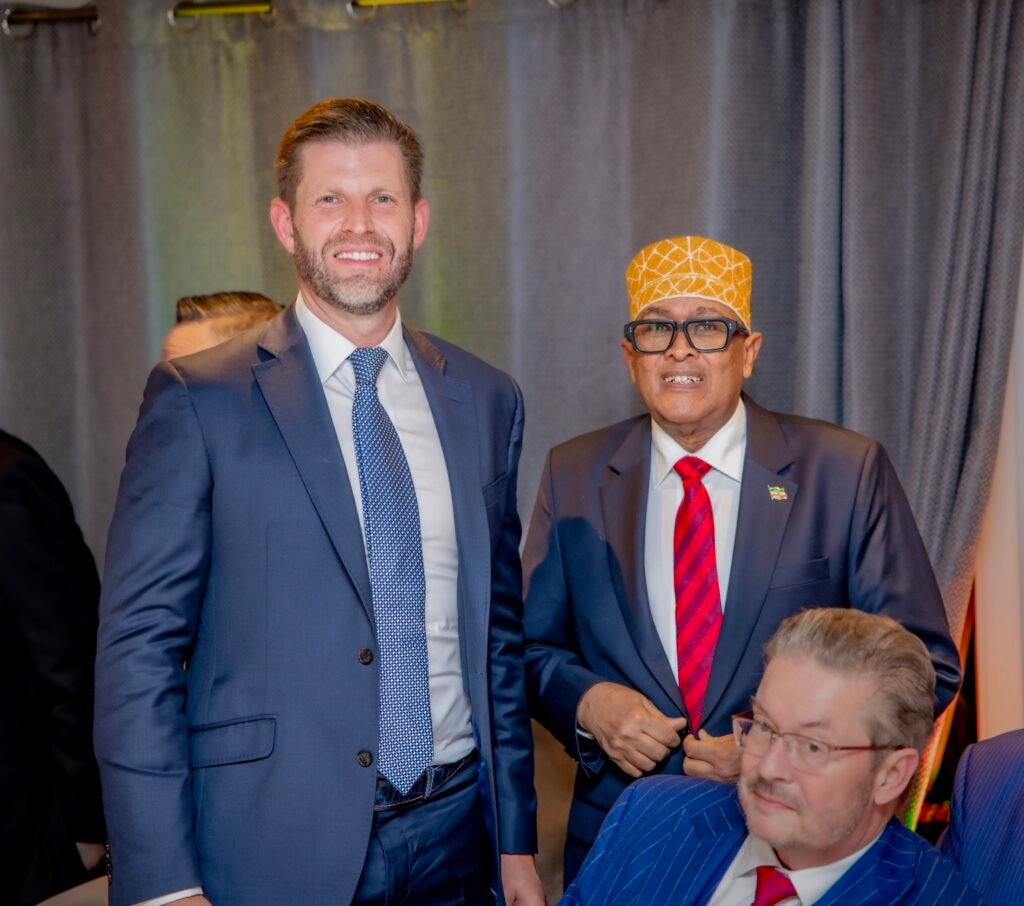
Held in an atmosphere described by officials as one of mutual respect and trust, the talks moved swiftly beyond symbolism into substance. Both presidents discussed the foundations of a state-to-state partnership, exploring cooperation across a spectrum of strategic sectors: security and defense, technology and cyber capabilities, agriculture and water management, healthcare, energy development, and mining.
These are not soft fields. They are pillars of state-building.
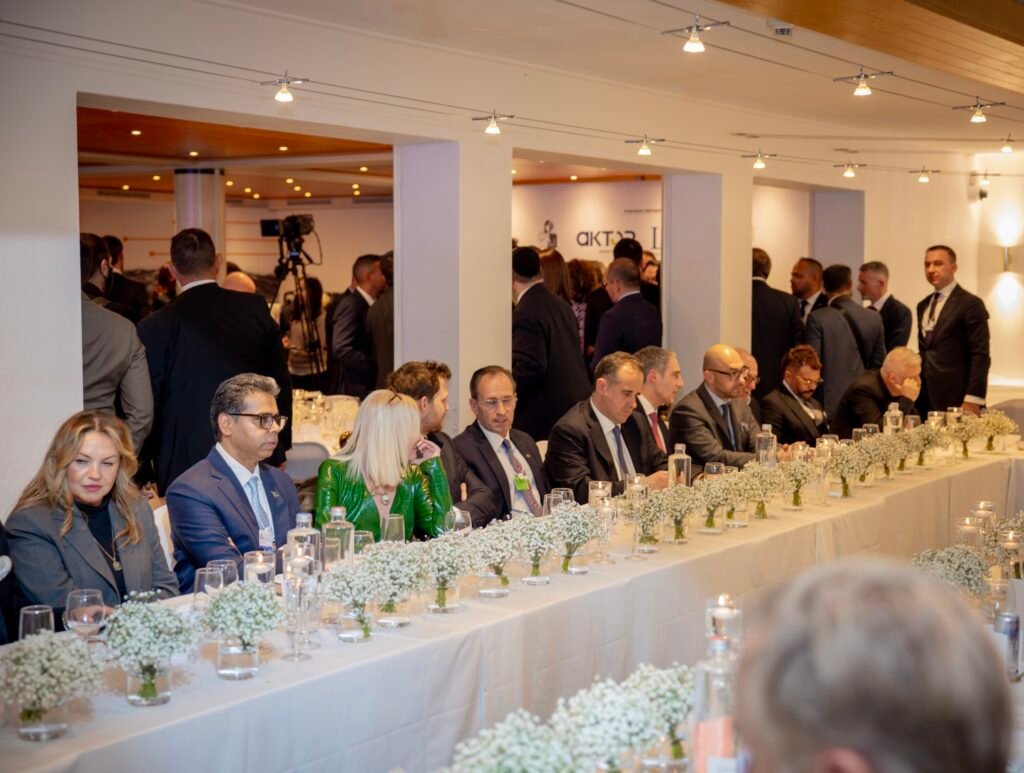
For Somaliland, the significance is twofold. First, it confirms that recognition is not an endpoint but an entry point into the world’s strategic systems. Second, it demonstrates that Somaliland is not approaching global partnerships as a passive beneficiary, but as a contributing actor — offering stability, maritime security, and geopolitical relevance in one of the world’s most sensitive corridors: the Horn of Africa and the Red Sea basin.
President Irro used the occasion to formally thank Israel’s government and people for what he described as a “historic and courageous” recognition — one that affirmed, after 34 years, the right of Somaliland’s people to stand as a sovereign state within the international community.
But the message went deeper.
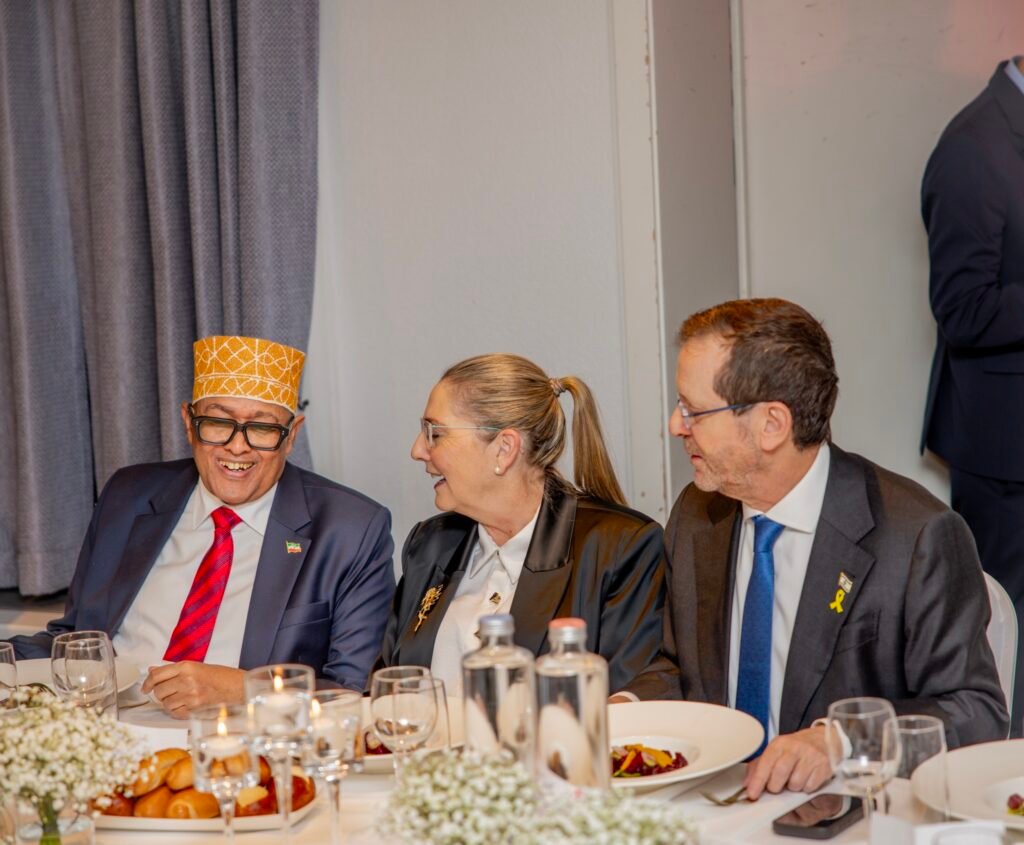
By emphasizing Somaliland’s identity as a peace-loving, democratic, and law-abiding state, Irro positioned the country not merely as a recipient of diplomatic goodwill, but as a model of post-conflict statehood in a region too often defined by instability.
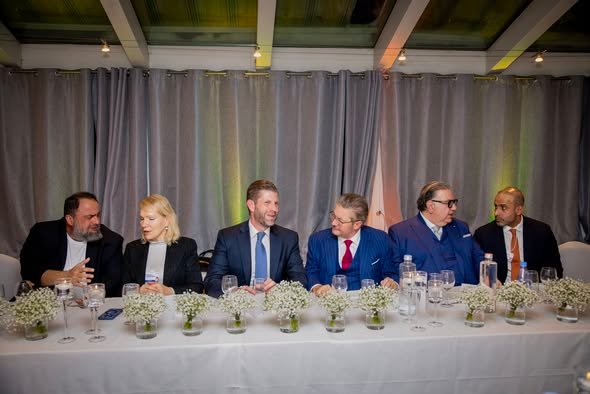
The presence of Eric Trump at the table added a powerful layer of geopolitical subtext. While not a government official, his proximity to the U.S. presidency — particularly in the current political climate — underscores Somaliland’s expanding visibility within influential American political and strategic circles. In diplomacy, access often precedes alignment.
This meeting, in effect, signaled that Somaliland’s recognition by Israel is not an isolated diplomatic event. It is the opening move in a broader realignment — one that connects Hargeisa to Jerusalem, Washington, Abu Dhabi, and beyond.
What emerged in Davos was not simply a dinner.
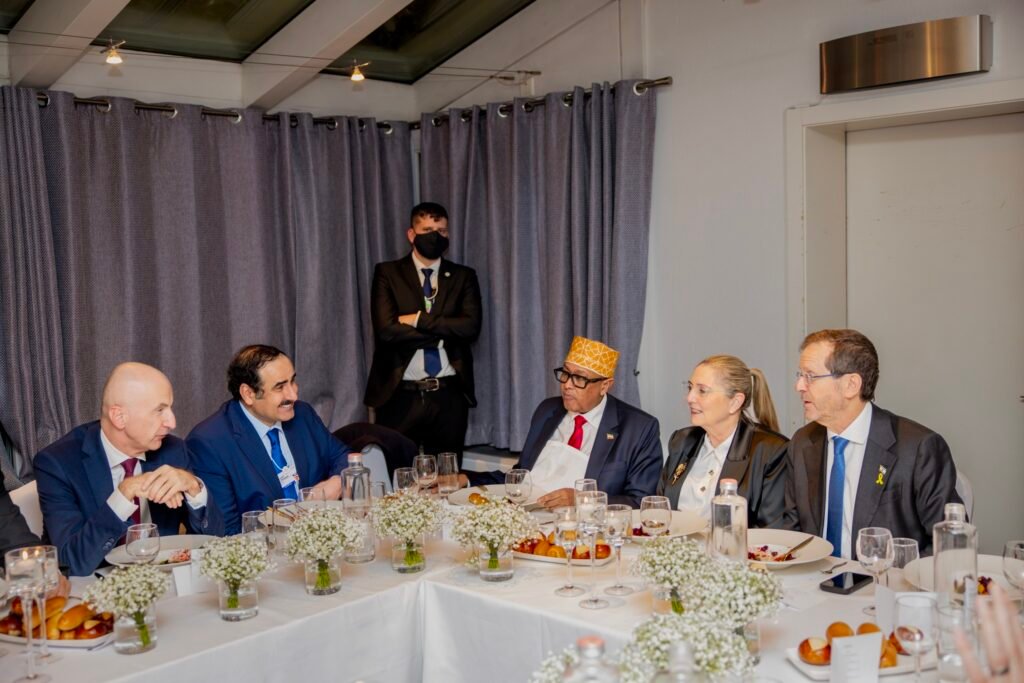
It was a declaration of arrival.
Somaliland is no longer negotiating its existence. It is shaping its alliances.
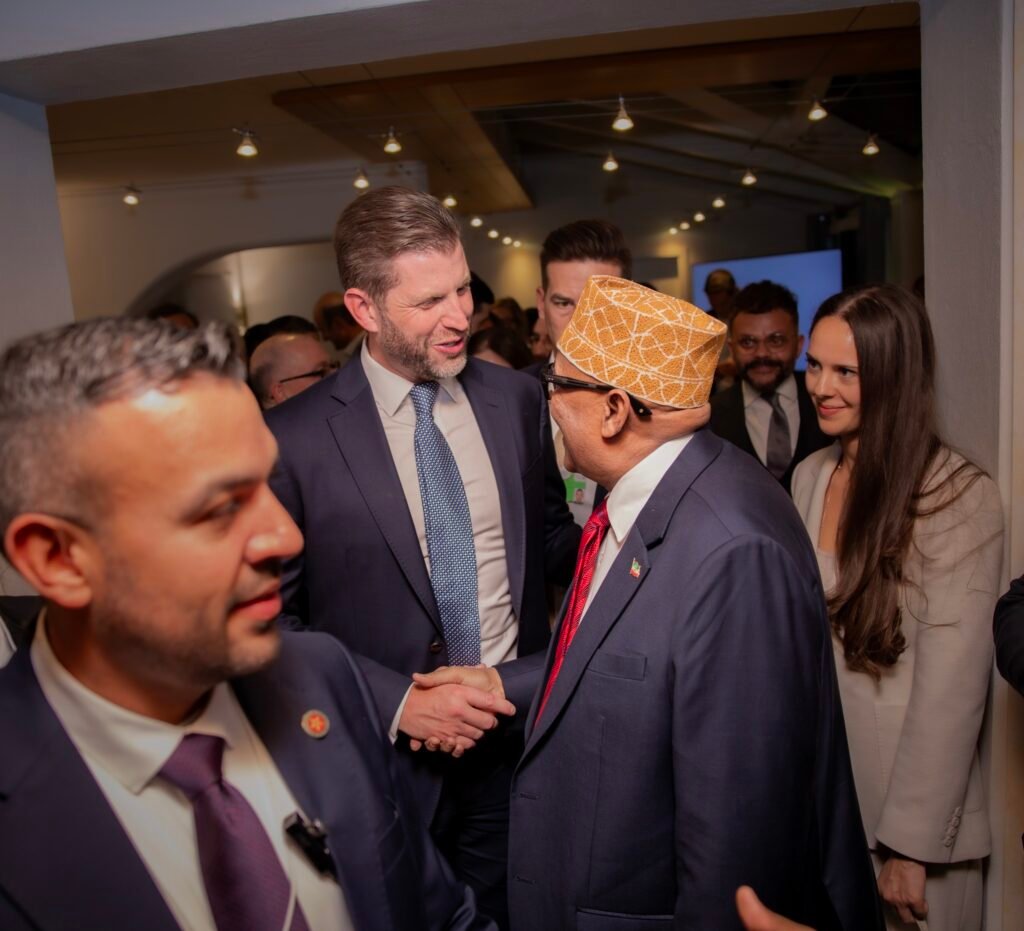
As global power centers quietly recalibrate their priorities around security corridors, maritime routes, and technological resilience, Somaliland is positioning itself where it belongs: at the table where the future is being written, not merely read.
And in the thin Alpine air of Davos, one truth became unmistakably clear:
The Republic of Somaliland has entered its era of strategic diplomacy — not as a hopeful claimant, but as a recognized, reliable, and rising state.