
INTEL REPORT
Western Intelligence Warns Somalia Entering Period of Major Political and Security Risk

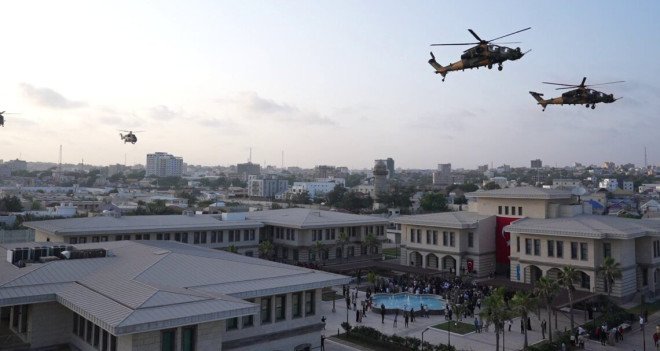
Somalia is entering one of its most fragile periods in years, according to a newly issued assessment by Western intelligence agencies that fund and advise the Federal Government.
The report, reviewed by WARYATV, paints a picture of a state facing simultaneous political, security and economic pressures that could overwhelm its already strained institutions.
The document describes the strategic relationship between Somalia and its Western partners as “multi-layered” and increasingly complex, shaped by counterterrorism, humanitarian aid, and development assistance.
Yet it also warns that these partnerships are being jeopardized by the deteriorating conditions inside the country.
Al-Shabaab remains the single greatest threat, sustaining a cycle of bombings, assassinations and territorial control in areas where the federal government has little reach.
Despite years of international investment, the report concludes that Somalia’s security forces still cannot defend the country without external military and intelligence support.
The government’s counterterrorism capabilities, it states, remain “severely limited.”
Equally troubling is the weakness of Somalia’s civilian institutions. Ministries remain heavily donor-dependent, unable to independently deliver basic services or maintain a reliable administrative framework.
Several major development projects funded by international partners are stalled by bureaucratic delays, corruption, and internal political disputes.
The report also examines the political climate, warning that persistent divisions between federal and regional leaders are preventing the country from building unified governance structures.
These political fractures, combined with external pressure from competing regional powers, are further straining Western efforts to stabilize the country.
On the economic front, the intelligence agencies acknowledge that Somalia’s entry into the East African Community opens new opportunities for trade and cooperation.
But they caution that chronic insecurity, weak institutions and unsustainable donor reliance could prevent Somalia from benefiting meaningfully from regional integration.
The assessment ends with a stark message: Somalia’s future hinges on its ability to build functioning state institutions, manage political conflicts more effectively, withstand pressure from external actors, and contain the threat posed by Al-Shabaab.
Without progress on these fronts, the report warns, the country’s fragile partnership with Western nations—and its broader stability—will remain at risk.




















US F-15E Shot Down Over Iran as Search Underway for Missing Crew

North Korea Honors Fallen Troops in Russia’s War

Russia Vows to Defend Allies Amid Rising Global Tensions


-

 US-Israel war on Iran1 month ago
UK Refuses Iran Strike Access, Trump Fires Back
-
 Russia-Ukraine War1 month ago
Europe’s Spies Challenge Trump’s Ukraine Peace Optimism
-
 Top stories1 month ago
War Expands Across Region as Iranian Militias Join Fight
-
 Top stories1 month ago
India Turns to Brazil in Strategic Minerals Push Against China
-

 US-Israel war on Iran1 month ago
Iran Pledges ‘Never, Ever’ to Hold Bomb-Grade Material
-
 US-Israel war on Iran1 month ago
Syria Under Fire on Two Fronts
-
 Russia-Ukraine War1 month ago
Estonia Warns NATO Would Strike Deep Inside Russia if Baltics Are Invaded
-

 Top stories3 weeks ago
Meloni Breaks Ranks: Italy Warns on Iran War