Russia hosts Taliban officials in Moscow and warns against any U.S. return to Afghanistan, solidifying its recognition of the Taliban and asserting control over the region’s post-Western order.
MOSCOW — Russia sent an unmistakable message to Washington and its allies this week: stay out of Afghanistan. Hosting a senior Taliban delegation in Moscow, Foreign Minister Sergey Lavrov declared that any return of foreign military infrastructure — particularly by the United States — would be “categorically unacceptable.”
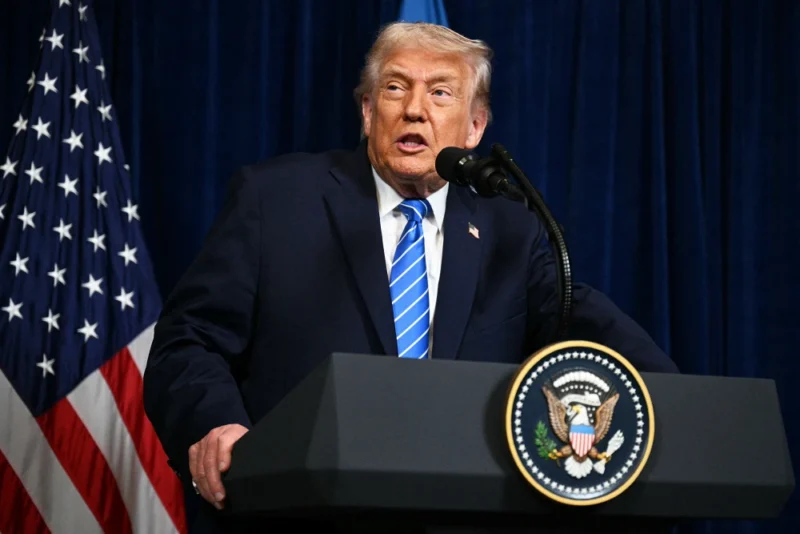
The meeting marked Russia’s strongest endorsement yet of the Taliban’s rule since recognizing the group’s government in July, making Moscow the first major power to formally legitimize Afghanistan’s Islamist rulers. Lavrov’s warning came just weeks after President Donald Trump reportedly floated a plan to retake Bagram Air Base, the former U.S. military hub evacuated in 2021. Kabul swiftly rejected the proposal, calling it a violation of sovereignty.
“The presence of extra-regional players under any pretext can only lead to destabilization and new conflicts,” Lavrov said. “Afghanistan has suffered enough from foreign armies. The lessons should have been learned long ago.”
The comments strike a chord with Russia’s own history: the Soviet Union’s disastrous 10-year occupation of Afghanistan, which ended in 1989. Today, Moscow seeks to project itself not as an invader, but as a regional stabilizer filling the power vacuum left by the U.S. withdrawal.
Lavrov praised the Taliban for cracking down on the Islamic State and the narcotics trade — two priorities that align closely with Moscow’s security agenda. He also called for expanding economic and counterterrorism cooperation with Kabul, accusing the West of “hostile policies” for freezing Afghan assets and maintaining sanctions.
The Taliban’s Foreign Minister Amir Khan Muttaqi hailed Russia’s recognition as a “bold and just decision,” urging other nations to follow suit. “Our government has restored security after four decades,” Muttaqi said. “We are ready to open Afghanistan to investment, transit, and trade.”
Delegations from China, India, Iran, Pakistan, and Central Asian states attended the Moscow talks, reflecting the regional consensus forming around the Taliban’s continued rule — a reality Western governments have refused to formally acknowledge.
While the Taliban remains globally isolated over its severe restrictions on women’s rights, its diplomatic acceptance across Asia is widening.
China has accredited Taliban envoys, and the United Arab Emirates hosts Taliban business delegations.
For Moscow, the calculus is strategic. The Kremlin’s recognition of the Taliban creates a buffer against Western re-entry, builds influence along its southern frontier, and positions Russia as the gatekeeper of Afghanistan’s future.
The message from Moscow could not be clearer: the era of Western oversight in Afghanistan is over. The new order — shaped by Russia, China, and the Taliban — is taking form.