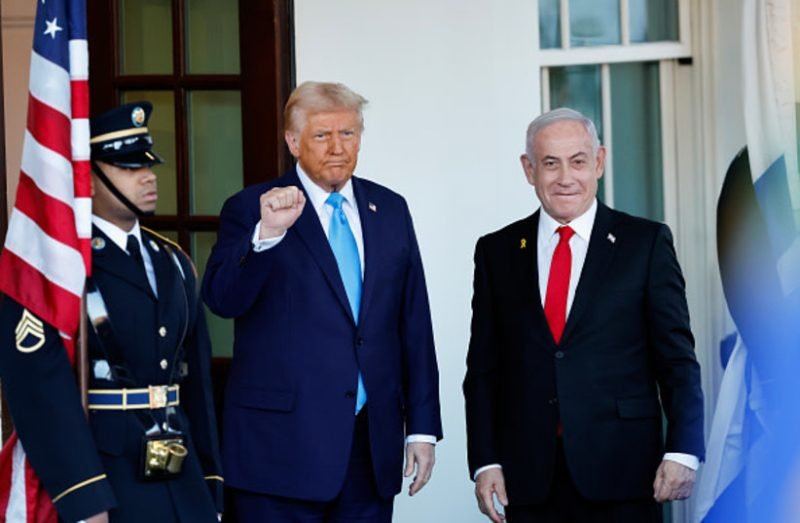
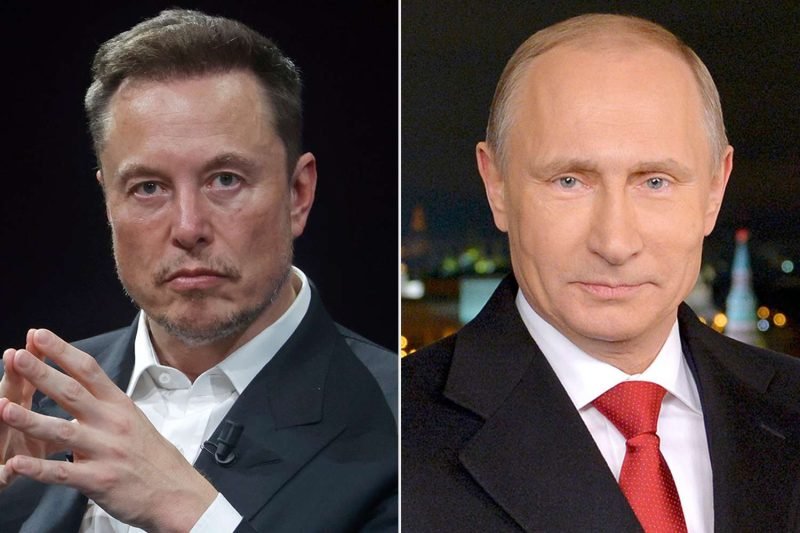
President Trump’s decision to reposition two U.S. Navy nuclear-powered submarines in response to Dmitry Medvedev’s taunts represents more than a rhetorical flourish; it reflects a broader strategic calculus in an era of renewed great-power competition. By signaling that “boomers,” “guided-missile” and fast-attack subs could be dispatched to “appropriate regions,” the administration leverages the inherent stealth and strike capability of its undersea fleet to bolster deterrence, even as it leaves open exactly which vessels—Ohio-class SSBNs bristling with Trident warheads or SSGNs armed with Tomahawk cruise missiles—are on the move.
Although the president’s tweet-order omitted operational specifics, the implied threat is clear: America’s sea-based leg of the nuclear triad, prized for its survivability and second-strike promise, stands ready to hold any adversary at risk. SSBNs patrolling the Atlantic or Pacific, undetectable beneath the waves, can launch multiple independently targetable reentry vehicles at ranges exceeding 4,600 miles, rendering basing proximity moot. Likewise, Virginia- or Los Angeles-class fast-attack submarines, equipped with torpedoes and Tomahawks, can project power into littoral zones, disrupt hostile undersea operations, and gather critical intelligence without ever surfacing.
Critics may deride the move as grandstanding in “Truth Social,” but history shows that subtle deployments of undersea assets often speak louder than diplomatic protests. By reminding Russia that its own naval and missile forces are vulnerable beneath the waves, the United States sharpens its leverage at a time when strategic stability rests on fragile assumptions. As Beijing and Moscow watch Washington’s undersea choreography, they must ponder whether the underwater shadows now stalking contested waterways are simply part of routine patrols—or a clear warning that America, once again, remains “prepared.”
Russia Confirms New Hypersonic Missile in Service, Plans Deployment to Belarus