The recent capture of Maxaas by Al-Shabaab is not just another loss in Somalia’s long-running conflict—it marks a critical juncture in a deteriorating security landscape. This strategic town, situated some 300 kilometers from Mogadishu, was once a linchpin in the federal government’s efforts to assert control over central Somalia.
Its fall signals a reversal of gains painstakingly made in 2022 and 2023, underscoring the insurgents’ resurgence fueled by political disunity and fractured security coordination.
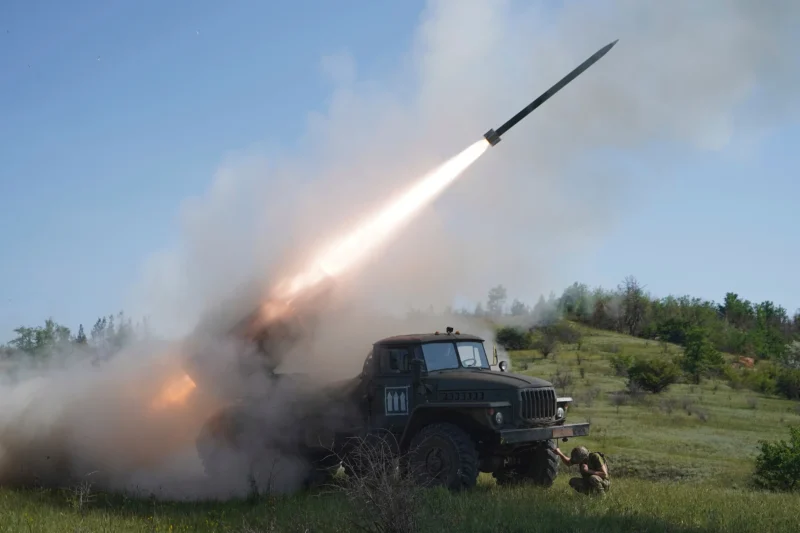
Al-Shabaab’s offensive, characterized by the use of car bombs and hundreds of fighters, exposed glaring weaknesses within the Somali National Army and allied militias, despite claims of a “tactical retreat.” The handover of military bases from Ethiopian troops to Somali forces did not translate into sustained control, reflecting the persistent challenges faced by the national security apparatus.
This defeat arrives amidst escalating tensions between the federal government and regional administrations, notably Jubbaland and Puntland.
The recent clashes in Gedo and the rejection of federal appointments by regional militias highlight a broader pattern: political fragmentation is eroding the cohesion essential for a successful counterinsurgency.
Analysts from the Soufan Center and the Institute for Security Studies have linked Al-Shabaab’s resurgence directly to these deepening political fissures, warning that Somalia’s national security strategy is unraveling just as the country prepares for crucial elections.
The territorial gains by Al-Shabaab—stretching across a swath of central and southern Somalia—are not isolated skirmishes but part of a systematic effort to encircle Mogadishu, sever supply lines, and project power.
The group’s approach of resuming tax collection and local judicial functions in reclaimed areas demonstrates a deliberate strategy to win civilian acquiescence and embed itself within the social fabric. This ‘shadow governance’ model further complicates efforts to dislodge the militants without alienating local populations.
International support, once robust, is waning amid Somalia’s political stalemate. The withdrawal of Ugandan peacekeepers and a slowdown in African Union reinforcements, combined with the limited scope of recent U.S. airstrikes against southern Al-Shabaab strongholds, suggest diminishing capacity to counter the insurgency effectively.
In contrast, focus on Islamic State affiliates in Puntland has siphoned resources from the southern front where Al-Shabaab consolidates.
Two futures loom for Somalia.
The less likely scenario involves Al-Shabaab seizing outright control, which would provoke clan resistance and regional pushback. The more probable outcome, increasingly evident, is a country where Al-Shabaab continues to solidify local power while the federal government remains confined to the capital and pockets of influence. This de facto partition weakens state legitimacy and fosters a security vacuum.
The deepening political crisis poses a dire threat to Somalia’s fragile statehood. Without urgent reconciliation between Mogadishu and the federal member states, the security architecture will remain fractured and reactive. This disunity hands a strategic advantage to Al-Shabaab and undermines governance efforts just when the country needs unity to confront its existential threats.
In this critical hour, the federal government’s refusal or inability to engage regional actors constructively is a strategic misstep with costly consequences. Somalia’s future security hinges not only on military operations but on political cohesion—an urgent task for leaders determined to restore peace and stability.
The international community must also reassess its support mechanisms, emphasizing political dialogue and inclusive governance alongside military aid. Somalia’s security challenges cannot be isolated from its political realities; the two are inseparable.
Maxaas’s fall is a somber reminder: security in Somalia will remain elusive until unity replaces division, and a coherent national strategy supplants fragmented power struggles.