Iran’s Supreme Leader Ayatollah Ali Khamenei is facing the most severe challenge to his authority in over three decades of rule — one that could redefine Iran’s future and reshape the balance of power across the Middle East.
Following a series of unprecedented Israeli and U.S. airstrikes that decimated top Revolutionary Guard commanders and damaged nuclear facilities, Khamenei has emerged from seclusion only briefly, issuing a defiant video address while skipping major funerals. The 86-year-old cleric, in frail health and without a named successor, is now under immense pressure — politically, militarily, and personally.
A Devastating Blow
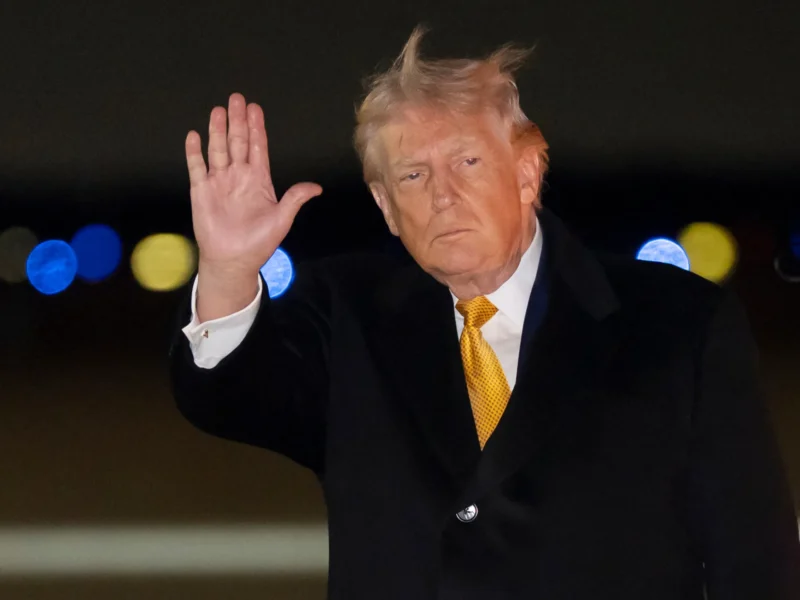
The attacks struck at the heart of the Islamic Republic’s power base. Key IRGC leaders were killed, nuclear program infrastructure was crippled, and the psychological blow to the regime was palpable. Even as Khamenei declared a hollow “victory,” former President Donald Trump mocked him publicly: “You got beat to hell.”
Khamenei’s trusted deterrents — a covert nuclear capability, powerful regional proxies, and iron-fisted domestic control — are all diminished. Billions of dollars have been lost, and morale among Iran’s elite forces is shaken.
For the first time since the 1979 Islamic Revolution, Iran finds itself vulnerable to foreign airstrikes with limited retaliatory options. Domestically, public trust has long been eroded by repression, economic decay, and mass protests. Now, the myth of invulnerability is gone.
No Easy Way Forward
Iranian doctrine emphasized regional power projection and deterrence through ambiguity. Both have collapsed. With his levers weakened, Khamenei’s remaining options are risky:
Escalation: Weaponizing Iran’s nuclear program would be a dramatic reversal of past public policy and invite even more international retaliation.
Repression: Intensifying domestic crackdowns could provoke new waves of resistance and risk further isolating the regime.
Negotiation: Re-engaging with Washington — especially under Trump, who has issued veiled threats against Khamenei — would require a political shift the supreme leader may find ideologically unacceptable.
Internal Reckoning
Ali Vaez of the International Crisis Group says Khamenei is boxed in: “The regime lives to fight another day, but it is weakened… There must be a reckoning inside the system.”
Khamenei spoke of national unity in his latest speech, but many see it as a smokescreen. Behind the scenes, finger-pointing over intelligence failures and military losses is likely intensifying.
The internal power vacuum and uncertainty over succession only add to the instability.
What Comes Next?
With no clear successor and a shattered image of invincibility, Khamenei now faces a decision: preserve a broken system through fear and resistance — or attempt reform and risk surrendering the control he’s fought decades to maintain.
One thing is clear: the Islamic Republic he inherited has never looked more fragile.