Sacred or Symbolic? The Fierce Battle Over Somaliland’s Flag and Faith. A top cleric slams the misuse of the Shahada on the national flag—sparking a fiery debate about Islam, secularism, and national identity.
As Somaliland prepares for its annual May 18 independence celebrations, a cultural and political storm is brewing. The cause? A growing public dispute over the use—and perceived misuse—of the Islamic declaration of faith, the Shahada, on the national flag.
What began as a clerical warning has evolved into a full-blown identity debate. It’s not just about symbols. It’s about what kind of country Somaliland is becoming.
The Flag and the Faith
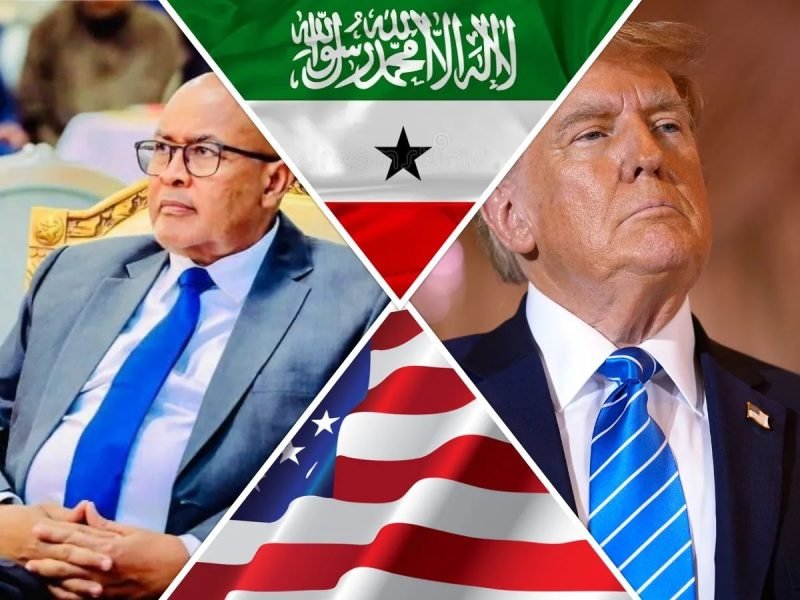
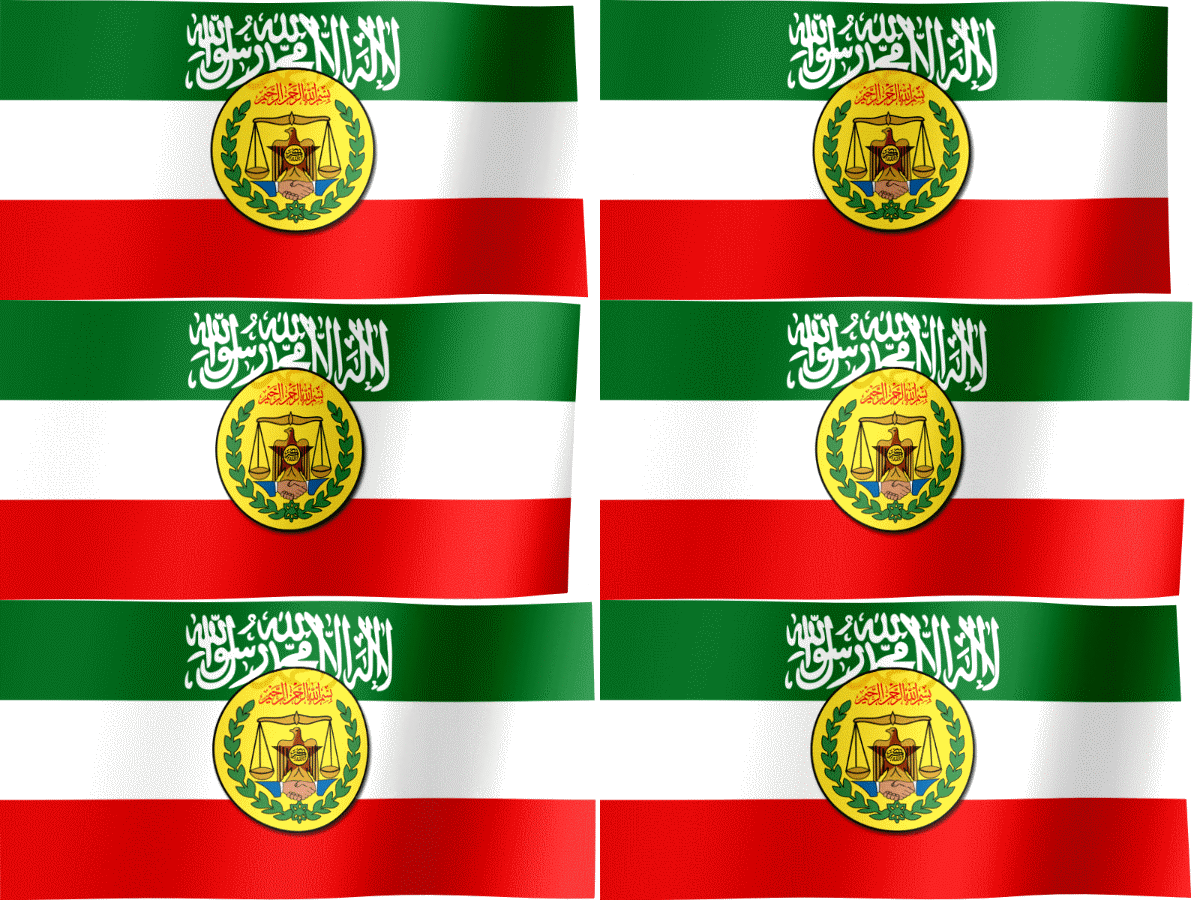
The flag of Somaliland features the Islamic Tawheed (“La ilaha illallah, Muhammadur rasulullah”)—the core creed of the Muslim faith. To many, it is a proud marker of Somaliland’s Islamic identity. But for Sheikh Mustafa Haji Ismail Harun, one of Somaliland’s most influential clerics, the way this sacred phrase is being used borders on desecration.
In a viral video, Sheikh Mustafa decried the flag’s casual use—particularly by young women wearing it wrapped around their waists or in TikTok clips. “It is ugly,” he said bluntly. His concern: a religious text is being treated as a fashion statement.
His words ignited a wildfire.
The Split: Reverence or Overreach?
Some rallied to the Sheikh’s defense, calling for more respect toward Islamic symbols. Others pushed back hard, accusing him of overreach and fearmongering. For them, the Shahada isn’t just a religious phrase—it’s a pillar of national pride.
And then came politics.
Presidency Minister Khadar Hussein Abdi, trying to defuse the situation, recommended that flag producers omit the Shahada from May 18 celebrations—at least temporarily. His message: preserve respect without stirring more tension.
But even that modest suggestion sparked outrage. Critics called it a betrayal of the flag, a soft step toward secularism, or worse, an appeasement to online outrage.
From Flag to Identity Crisis
What started as a religious debate quickly escalated into something deeper. Online, particularly on X (formerly Twitter), the conversation turned toxic. It revealed:
A growing secular vs. Islamic tension, especially among youth in urban areas like Hargeisa.
Disputes over Somaliland’s national identity, with some arguing it is an artificial project clashing with pan-Somali or pan-Islamic values.
Polarized views on religious authority, with some defending clerics like Sheikh Mustafa while others warned against theocratic overreach.
Ethnic undertones, with some resorting to accusations of being “Oromo” or “non-Somalilander” to dismiss dissenting views.
All of this is playing out in real-time across social media, where emotion often trumps nuance and outrage is rewarded with virality.
What’s Actually at Stake
This debate isn’t just about a flag. It’s about what kind of state Somaliland wants to be.
Can a country simultaneously be a democratic republic and an explicitly Islamic one? Can its symbols belong to everyone while also holding sacred value for the faithful? And who gets to decide what’s “appropriate” use of a religious phrase?
The divide is sharp. On one side are those who fear secular drift and want stronger Islamic identity. On the other, those who worry about creeping religious authoritarianism and want symbols like the flag to remain civic, not clerical.
Some warn of “Shahada fatigue”—where overexposure to religious language on flags, t-shirts, and car stickers diminishes its sacredness and opens it to disrespect, however unintended.
Others argue that removing the Tawheed even once sets a precedent—and risks diluting Somaliland’s cultural distinctiveness in a region where Islamic and national identity have historically gone hand in hand.
A Defining Test for Irro’s Government
This moment is also a test for President Abdirahman Mohamed Abdullahi Irro, who has positioned himself as a unifier and reformer. His administration faces a sensitive task: to mediate without alienating either religious leaders or secular-minded youth.
If handled poorly, the flag debate could widen rifts across Somaliland’s political and generational divides. If handled wisely, it could model how a deeply religious but aspiring democratic society can resolve identity tensions without fracturing.
The outcome will ripple beyond May 18.
The challenge is clear: Somaliland must decide whether religious symbolism can coexist with civic representation—and if so, how.
Should a national symbol be modified out of respect for faith? Or does that sacrifice national unity for religious appeasement? Can religious leaders speak for the nation, or only to their congregations?
There are no easy answers. But if Somaliland wants international recognition, it must also show it can manage internal conflict—especially the kind that cuts to the heart of identity.
With just days until May 18, all eyes are on how the government, the clerics, and the people navigate this symbolic but significant test.
The Tawheed Flag Debate – Faith, Identity, and the May 18 Celebrations in Somaliland