Somaliland’s closure of the Egyptian library and the successful MOU with Ethiopia signal a pivotal moment for regional politics.
Somaliland has made headlines with its bold actions that signal a transformative shift in regional dynamics. The closure of the Egyptian-owned library in Hargeisa and the successful conclusion of the Memorandum of Understanding (MOU) with Ethiopia have set the stage for a new era of diplomacy and recognition for Somaliland.
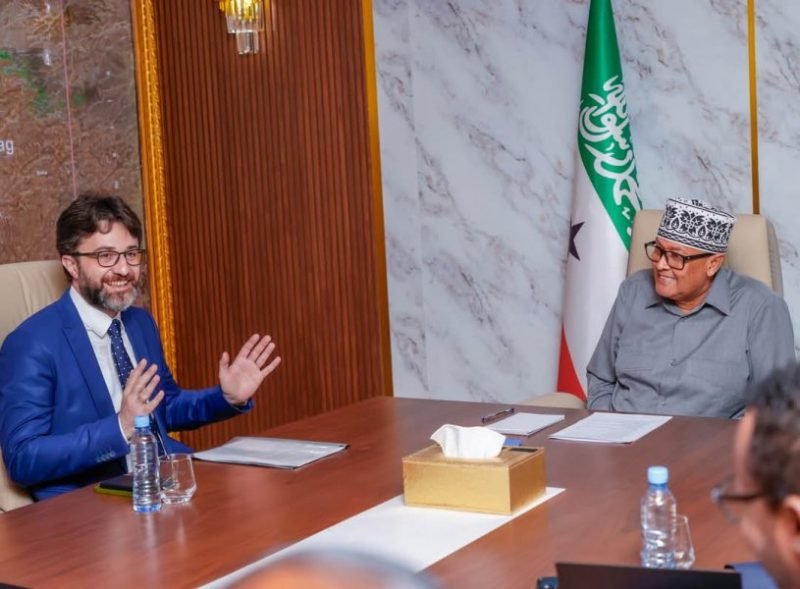
On September 11, 2024, Somaliland’s Foreign Minister Dr. Essa Kayd stood at the forefront of a press conference in Hargeisa, delivering news that has ignited national pride and international intrigue. The Egyptian library, long a symbol of Cairo’s influence in Somaliland, has been shuttered, marking a decisive break from the past. This move comes amid ongoing tensions and strategic maneuvers that underscore Somaliland’s growing assertiveness on the global stage.
Dr. Kayd’s announcement was more than just a diplomatic update; it was a declaration of Somaliland’s strategic realignment. “The government of the Republic of Somaliland has announced the permanent closure of the Egyptian library in Hargeisa. This action, coupled with the successful completion of the MOU with Ethiopia, marks a significant milestone in our quest for international recognition,” Dr. Kayd declared.
The closure of the Egyptian library, which has been a contentious issue, reflects deeper geopolitical currents. The Egyptian government, known for its recent attempts to influence the region through military and diplomatic channels, has had its ambitions thwarted by Somaliland’s decisive action. This move is seen as a direct rebuff to Cairo’s efforts and a step towards reclaiming Somaliland’s sovereignty and narrative.
Simultaneously, the MOU with Ethiopia, which has recently been finalized, represents a pivotal achievement for Somaliland. The agreement, aimed at enhancing economic and strategic cooperation, has been a long-standing goal for both nations. The successful conclusion of this MOU is not merely a bureaucratic victory; it signifies a strategic partnership that could reshape regional power dynamics.
The significance of this development extends beyond Somaliland’s borders. The relationship between Somaliland and Ethiopia is seen as a counterbalance to the growing influence of Somalia and its external backers. Tensions between Ethiopia and Somalia have been exacerbated by recent events, including Ethiopia’s military maneuvers in Somalia’s Gedo region. Ethiopian forces have seized key airports in the Gedo region to disrupt the flow of Egyptian military equipment intended for Somali troops. This move underscores the high stakes involved and Ethiopia’s commitment to securing its interests in the face of regional challenges.
The geopolitical chess game is further complicated by the ongoing disputes over the Grand Ethiopian Renaissance Dam (GERD). The dam, a contentious project between Ethiopia and Egypt, has strained relations and highlighted the broader regional rivalries that impact Somaliland’s position. By aligning more closely with Ethiopia, Somaliland is positioning itself strategically in a context of competing regional interests.
Dr. Kayd’s leadership is also noteworthy in this unfolding drama. His firm stance against Egyptian influence and his successful negotiation of the MOU with Ethiopia have elevated him as a key figure in Somaliland’s diplomatic efforts. His actions reflect a broader strategy to enhance Somaliland’s standing and secure its place in the international arena.
The closure of the Egyptian library and the MOU with Ethiopia are not isolated events but part of a broader trend of regional realignments. Somaliland’s assertive actions signal a departure from past dependencies and a new focus on forging strategic partnerships that align with its national interests.
Meanwhile, the response from Somalia, Egypt, and Turkey has been marked by a mix of frustration and diplomatic maneuvering. Somalia’s federal government, already strained by internal conflicts and external pressures, finds itself in a precarious position as Ethiopia consolidates its influence. Egypt’s attempts to project power through military and diplomatic means have been undermined by Somaliland’s decisive actions. Turkey, with its own regional ambitions, is also watching closely as the balance of power shifts.
In this high-stakes environment, Somaliland’s recent actions are a testament to its growing confidence and strategic acumen. The closure of the Egyptian library and the successful MOU with Ethiopia are more than symbolic gestures; they represent a significant stride towards international recognition and regional stability.
As Somaliland navigates these complex dynamics, it is clear that the nation is not merely reacting to external pressures but actively shaping its future. Dr. Essa Kayd’s leadership is central to this narrative, and his recent announcements have set the stage for a new chapter in Somaliland’s quest for global recognition and influence.
The unfolding events in the Red Sea region and beyond are a reminder of the shifting geopolitical landscape and the critical role that emerging actors like Somaliland play in this evolving narrative. The international community would do well to pay close attention to Somaliland’s strategic moves, as they herald a new era of regional diplomacy and power realignment.