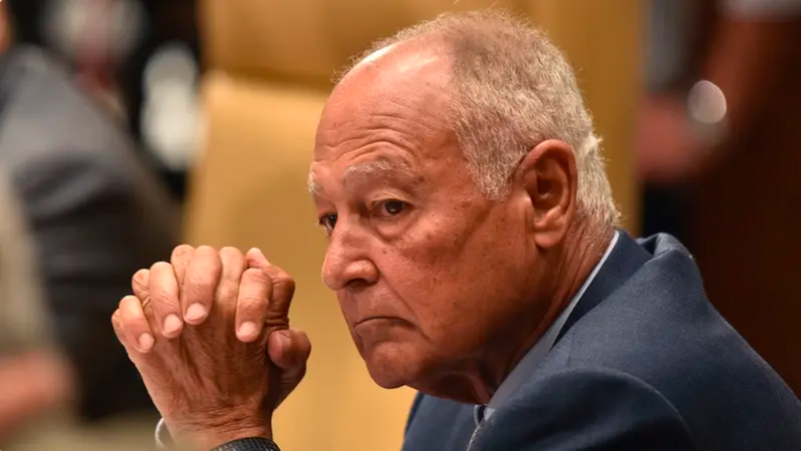
Former Somali President Sheikh Sharif Sheikh Ahmed has issued a stinging rebuke of the National Consultative Council (NCC) summit, accusing President Hassan Sheikh Mohamud’s administration of exploiting the military for political purposes and attempting to centralize power. His warning reflects growing domestic and international unease over decisions made in the absence of key federal states.
At a press conference in Mogadishu, Sharif denounced the summit’s focus on building a major political party instead of fostering consensus. “To suggest that a new administration can be built from this chaos is deeply regrettable,” he said. His comments came amid mounting tension between the federal government and regional leaders, particularly in Puntland and Jubbaland, both of whom boycotted the summit.
The former president’s warnings mirror those of the United States, which issued a blunt statement on X (formerly Twitter) cautioning against unilateral decisions that ignore Somalia’s fragile federal balance. “Decisions taken without broad-based support will lack legitimacy and distract from pressing security challenges,” the U.S. State Department warned.
The NCC summit, attended by President Mohamud and allies from Galmudug, Hirshabelle, South West, pledged support for the Somali National Army and deeper federal-state cooperation. But critics argue that excluding Puntland and Jubbaland not only undermines the forum’s legitimacy but risks further fragmenting an already fragile union.
With elections looming in 2026, opposition figures are sounding alarms over what they see as a federal power grab disguised as reform. While the government insists it’s focused on strengthening governance and defeating Al-Shabaab, its sidelining of dissenting states has drawn sharp criticism at home and abroad.
The stakes are clear: Somalia’s path forward hinges not just on defeating terrorists, but on holding the federation together. Without consensus, even well-intended reforms may spark the opposite of stability.
The NCC summit may have unified a few, but it has alienated many. As Sharif warns of political recklessness and the U.S. signals diplomatic concern, Somalia faces a critical test—will it move toward inclusive governance, or risk deepening national divisions under the guise of unity?
U.S. Drops the Hammer: No Las Anod State, Warns Somalia to Obey the Constitution