With China creeping into Somalia, Hargeisa makes its boldest push yet—offering Berbera base access in exchange for diplomatic recognition from Washington.
Somaliland ramps up pressure on Washington to abandon its “One Somalia” stance, offering strategic ports and unwavering support for U.S. allies, while Mogadishu scrambles to block the move.
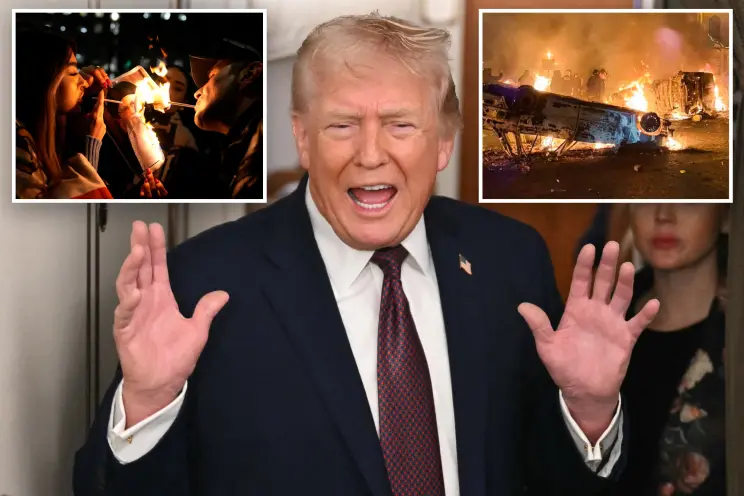
The battle for recognition just entered the White House—and Somaliland is betting on Trump.
Hargeisa’s leadership is escalating its diplomatic blitz in Washington, capitalizing on growing Republican support and frustration over U.S. failures in Mogadishu. At the center of Somaliland’s pitch: Berbera, the jewel of the Gulf of Aden. A UAE-upgraded port, a Cold War airbase, and a direct launchpad for U.S. power projection into the Red Sea and beyond.
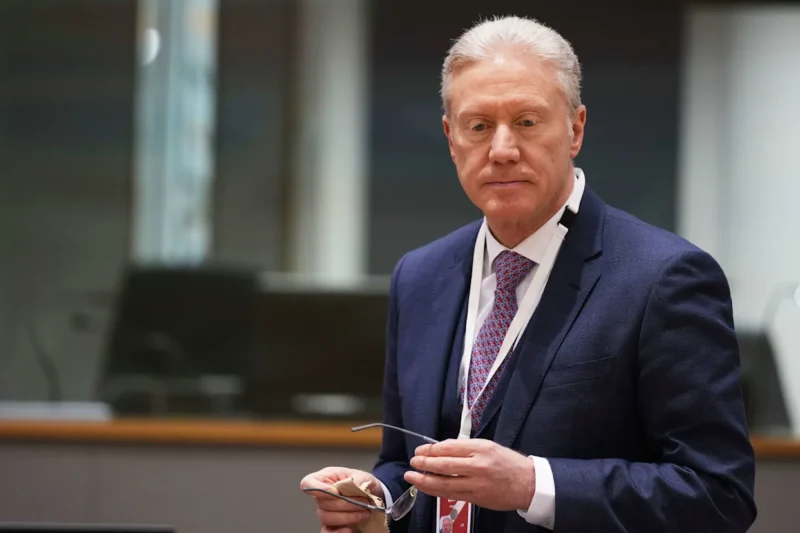
Foreign Minister Abdirahman Yusuf Bakaal didn’t mince words. “The United States is done with the ‘One Somalia’ fantasy,” he declared. “They’ve finally realized Somaliland is a functioning democracy in a sea of chaos.”
And Bakaal is right about one thing—America is listening. U.S. Deputy Secretary of State Christopher Landau acknowledged on X that he’s “looking into” the Somaliland file. Meanwhile, Trump-aligned groups, including Project 2025, are calling for an official break from the Somalia-first doctrine, citing Chinese influence, Turkish militarism, and growing maritime threats in the Horn.
While Mogadishu desperately tries to keep pace—offering ports it doesn’t control, like Berbera—Somaliland is throwing down hard facts: Somalia can’t secure Mogadishu, let alone deliver on foreign military basing deals.
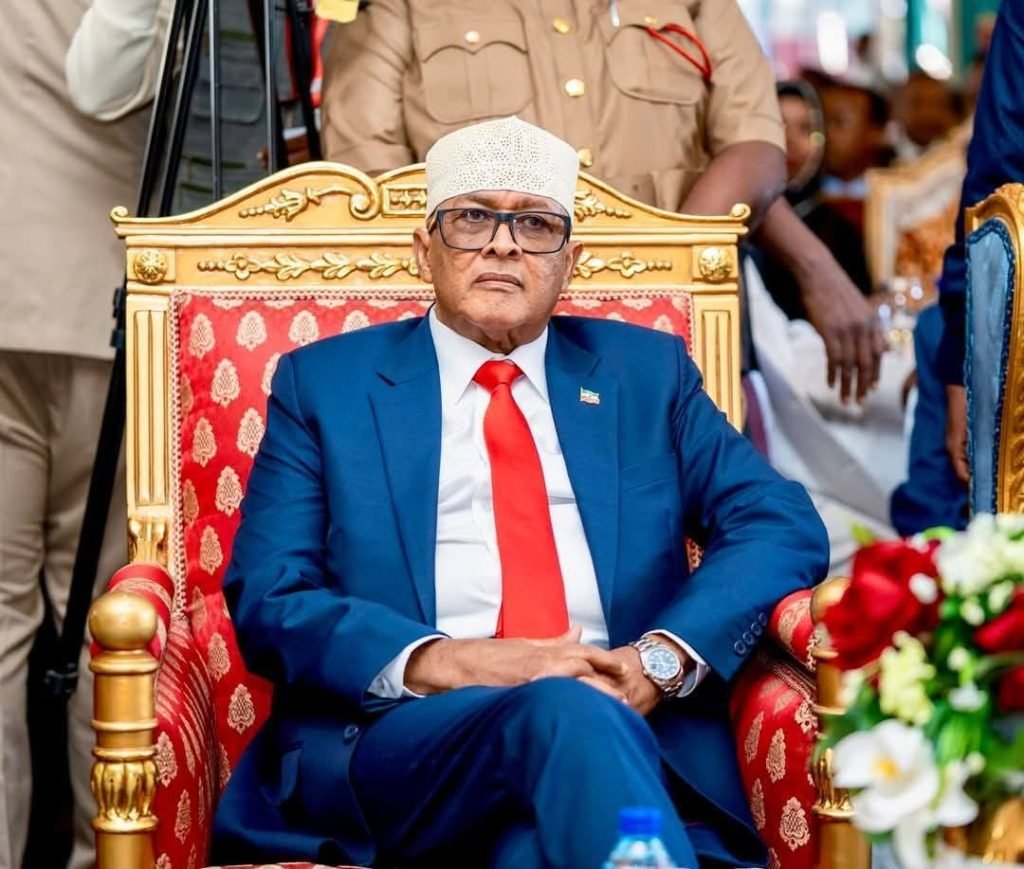
President Abdirahman Mohamed Abdullahi Irro has called Trump’s return to power “the greatest opportunity in our nation’s history.” With Hargeisa refusing ties with China and deepening ties with Taiwan, it’s becoming clear: Somaliland isn’t just asking for recognition—it’s offering strategic alignment in a region on fire.
A Somaliland delegation lands in Washington this May. Irro follows in July. And this time, they’re not knocking on doors—they’re demanding a seat at the table.