Unraveling the real reasons behind Somalia Prime Minister’s cancelled Lasanod visit amid rising security threats and historical tensions.
Somalia’s Prime Minister Hamza Abdi Barre abruptly cancels his Lasanod visit. Delve into intelligence threats, historical grudges, and Somaliland’s newfound military might reshaping the Horn of Africa’s geopolitics.
Hamza Abdi Barre, Prime Minister of Somalia, recently cancelled a planned visit to Lasanod, a city historically marked by political violence and unrest. This decision followed intelligence reports indicating severe threats against his life, escalating regional tensions, and shedding light on the fragile political landscape in the Horn of Africa.
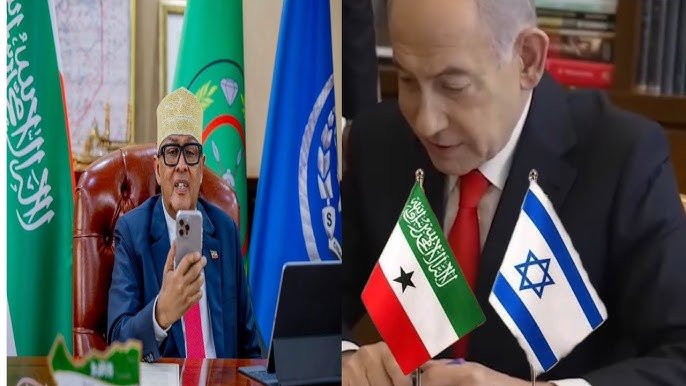
The abrupt cancellation of Barre’s visit signifies deeper geopolitical dynamics at play. Barre, facing backlash over recent extremist remarks and controversial support for Hamas, is increasingly isolated both domestically and internationally. Intelligence reports, citing potential threats from technologically advanced military operations in Somaliland—reportedly bolstered by foreign partnerships, including Israel—underscore Somalia’s growing security challenges.
Lasanod, historically significant and notorious for political assassinations, epitomizes the risks Barre faces. Somaliland’s significant advancements, particularly in drone and AI-assisted intelligence capabilities, suggest a strategic power shift, putting Somalia’s federal government on the back foot.
This incident highlights Somaliland’s rising influence and determination to protect its sovereignty, leveraging international partnerships to bolster its defense capabilities. Conversely, Barre’s government faces heightened scrutiny and internal vulnerabilities, exacerbated by divisive rhetoric and international isolation.
The Somaliland government’s silence on these threats points to internal anxieties, reflecting their precarious position between fostering national unity and confronting external threats transparently. Failure to openly address these issues could risk future stability.
Ultimately, Barre’s cancelled visit is not merely an isolated event but a significant indicator of broader regional instability. With geopolitical interests increasingly converging on the Horn of Africa, Barre’s administration must reassess its stance and diplomacy. The region’s future stability depends on the strategic choices made today.
Hamza Abdi Barre Canceled His Lasanod Visit: Are the Shadows of History Catching Up?