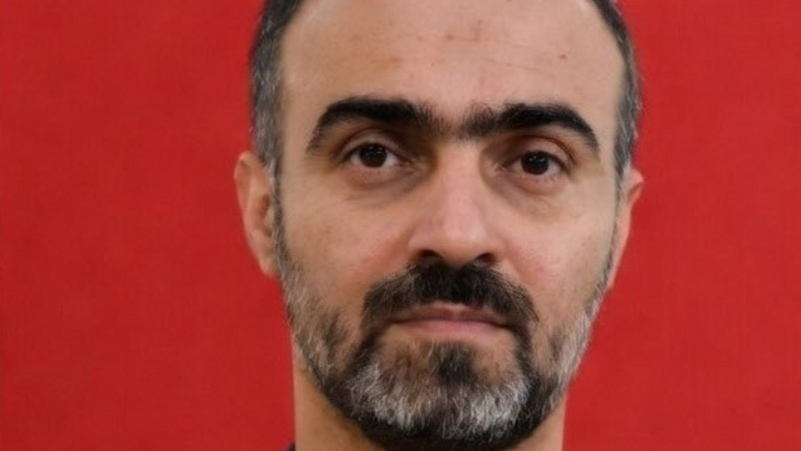
The recent Ontario provincial election has proven to be a watershed moment for Somali-Canadian political engagement, with the results laying bare the complexities of ethnic representation and voter realignment. In York South–Weston, Mohamed Firin of the Progressive Conservative Party edged out former NDP MPP Faisal Hassan, underscoring a notable shift within Somali-Canadian communities from traditional party lines to more issue-focused advocacy.
Firin’s win, with a slim margin over his nearest competitor, signals a broader political realignment within the district, historically a bastion for NDP and Liberal support. His campaign, which successfully leveraged themes of economic stability and law enforcement, resonated with voters increasingly disillusioned with traditional left-leaning policies. This shift is indicative of a larger trend where ethnic minorities, particularly within the Somali-Canadian community, are exploring conservative platforms that align with their concerns about economic and local issues.
Conversely, the political fate of Sarah Jama, running as an independent in Hamilton Centre, starkly contrasted Firin’s success. Jama, having lost the NDP’s endorsement, struggled to mobilize support beyond her base of progressive activists. Her campaign was heavily impacted by her previous expulsion from the NDP, which diverted attention from her core platform focused on social issues such as healthcare, housing, and education. The loss of party support crucially stripped her of necessary resources, leading to a dismal fourth-place finish. This outcome not only reflects on the challenges of running as an independent but also highlights the critical role of party infrastructure in electoral politics in Ontario.
These election results are particularly significant for the Somali-Canadian community, illustrating a departure from perceived communal voting patterns towards a more fragmented and issue-driven electorate. The success of Firin and the fall of Jama and Hassan signal a dynamic shift in political allegiances and representational strategies, suggesting that the future of Somali-Canadian political involvement will increasingly hinge on direct engagement with broader, cross-cutting issues that resonate across diverse voter bases.
As the Somali-Canadian community continues to evolve politically, the 2025 elections serve as a reminder of the changing landscapes of ethnic political representation in Canada. The implications of these shifts are profound, indicating a move towards more nuanced and multifaceted political participation that transcends traditional ethnic and party affiliations.