In a break from tradition, Trump invites world leaders, right-wing allies, and rivals to his swearing-in ceremony.
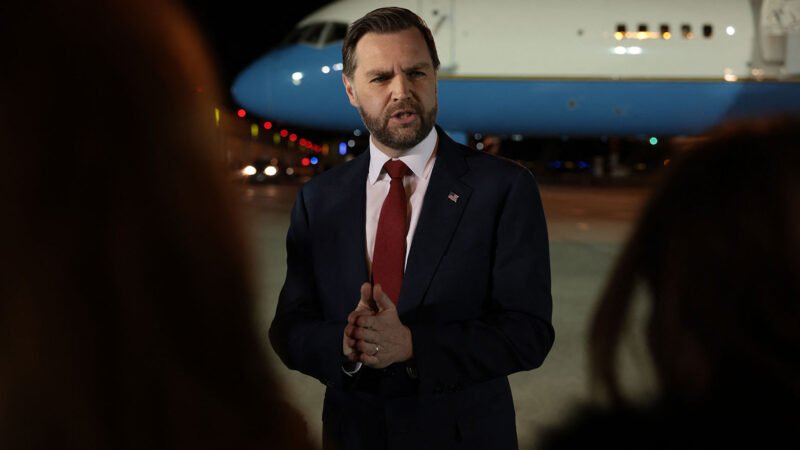
Donald Trump’s second presidential inauguration is shaping up to be one of the most unconventional in US history. Breaking with longstanding tradition, the event will feature an international guest list of sitting and former world leaders, many of whom are closely aligned with Trump’s political ideology. The high-profile ceremony marks Trump’s return to the White House as the 47th president, alongside Vice President-elect JD Vance, in what the administration has framed as a coronation-style celebration of their global influence.
An Unprecedented Guest List
Inaugurations in the US have traditionally been domestic affairs, with foreign representation limited to ambassadors and diplomats. This year, however, Trump has invited a mix of far-right allies and geopolitical rivals. Confirmed attendees include Argentine President Javier Milei, a vocal admirer of Trump, and Ecuadorian President Daniel Noboa, who hailed Trump’s victory as a win for Latin America. Former Polish Prime Minister Mateusz Morawiecki and French far-right politician Éric Zemmour are also expected to attend.
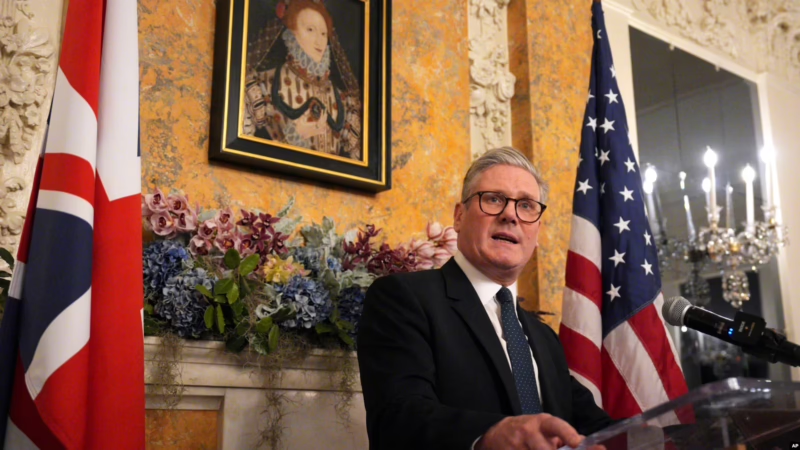
Notably absent from the guest list are traditional US allies such as German Chancellor Olaf Scholz, French President Emmanuel Macron, and UK Prime Minister Keir Starmer. Instead, Trump has extended invitations to right-wing European leaders like Alice Weidel of Germany’s AfD party and Santiago Abascal of Spain’s Vox party. These choices highlight Trump’s continued pivot toward populist and nationalist movements, both domestically and abroad.
Strategic Invitations Amid Diplomatic Tensions
Among the more surprising invitees is Chinese Vice President Han Zheng, attending on behalf of President Xi Jinping. This marks a rare instance of direct interaction amid ongoing trade tensions and strategic competition between the US and China. Indian Foreign Minister Subrahmanyam Jaishankar will also represent Prime Minister Narendra Modi, underscoring the close ties between the two nations.
Trump’s decision to include adversaries like Xi and rivals within NATO signals a complex and calculated diplomatic strategy. By inviting both friends and critics, Trump appears to be positioning himself as a leader willing to engage across ideological divides, even as his guest list alienates key Western allies.
Controversial Exclusions and Reactions
Traditional European allies have reacted coolly to their exclusion. The European Union’s Ursula von der Leyen and NATO officials were notably absent from the list, reflecting Trump’s continued skepticism of multilateral institutions. Macron’s omission is particularly striking given his public attempts to cultivate a working relationship with Trump during his first presidency.
While the event’s guest list reflects Trump’s populist vision, it also raises questions about the future of US foreign relations. By prioritizing ideological alignment over longstanding alliances, the inauguration sets the tone for an administration likely to double down on nationalist policies and transactional diplomacy.
As Trump’s second term begins, the world will be watching closely to see how his relationships with both allies and adversaries evolve—and whether his guest list signals a broader shift in the US’s global strategy.