The ICC demands answers from Italy after Rome ignored extradition orders and sent a suspected Libyan war criminal back home.
Italy’s decision to release suspected Libyan warlord Ossama Anjiem, also known as Ossama al-Masri, rather than extradite him to The Hague, has triggered an official inquiry by the International Criminal Court (ICC). The move raises serious questions about Rome’s commitment to international justice, as al-Masri is accused of torture, murder, and rape linked to Libya’s brutal detention centers.
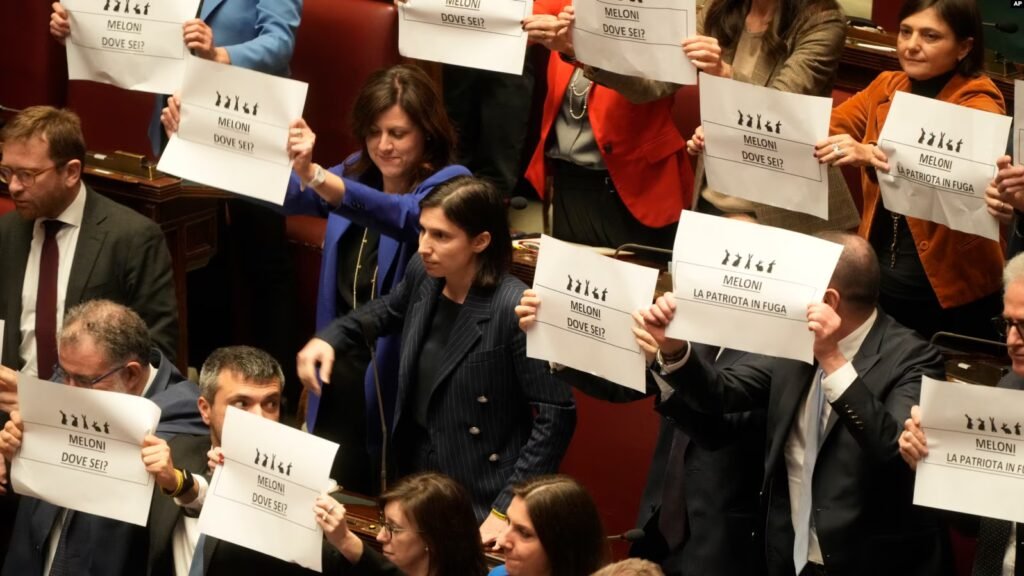
Despite his arrest in Turin on an ICC warrant, Italian authorities swiftly deported al-Masri on an Italian military aircraft, citing legal technicalities. The decision has sparked outrage, particularly given Italy’s deep political and economic ties with Libya, including its controversial support for the Libyan coast guard to stem migration.
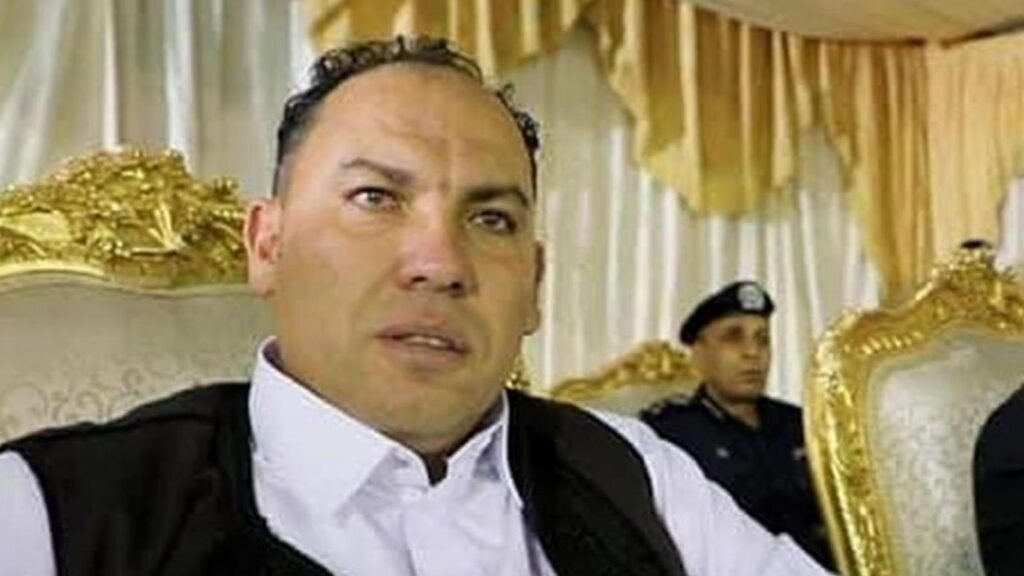
The ICC now demands an explanation, marking a rare instance of a Western nation being investigated for non-compliance. With Tripoli’s militias implicated in widespread war crimes, Italy’s actions could be seen as shielding key players in Libya’s fractured power landscape.
This case is more than a legal oversight—it exposes the murky geopolitical deals between Italy and Libya. If Rome cannot justify its defiance, it risks diplomatic backlash and potential ICC sanctions. As global scrutiny mounts, will Italy stand by its decision, or will it be forced to answer for shielding a warlord?