Kamel Saqr reveals Assad’s last-ditch pleas for support to Putin and his hasty escape as rebel forces closed in on Damascus.
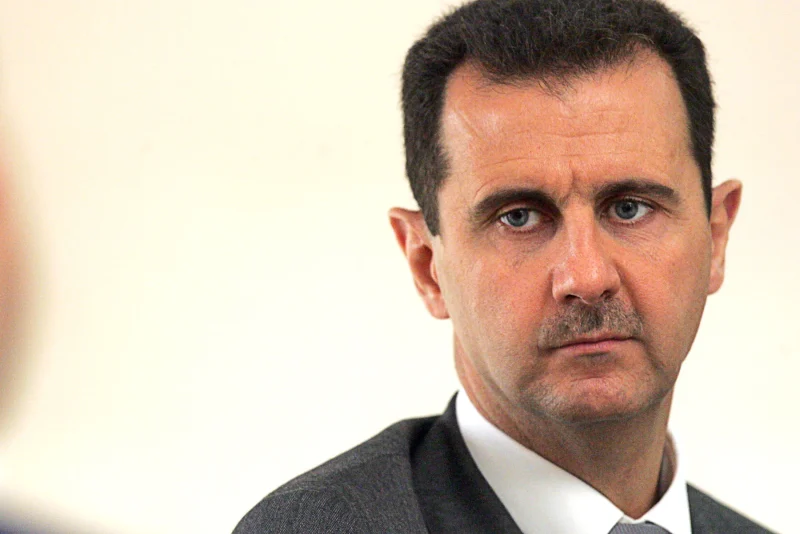
Bashar al-Assad’s dramatic fall from power has been shrouded in speculation, but recent revelations from his former media chief, Kamel Saqr, suggest Russian President Vladimir Putin may have played a pivotal role in the ousted Syrian president’s undoing. In a candid interview with Mazeej Studios, Saqr painted a picture of Assad’s desperate final days, marked by failed requests for military support and an unceremonious escape from Damascus.
According to Saqr, Assad sought Putin’s assistance during a critical meeting in Moscow on November 29, just over a week before Damascus fell to opposition forces. At the time, rebels had already gained significant ground in Aleppo, and Assad’s position was rapidly deteriorating. Faced with dwindling support from Iran and Hezbollah, Assad pleaded with Putin to facilitate the transport of Iranian military aid via Russia’s Hmeimim airbase in Latakia.
While Putin reportedly agreed to assist, Saqr claims that no action was taken. Iranian officials later informed Assad that their attempts to mobilize were met with silence from Moscow and warnings from the United States, which threatened to shoot down any Iranian aircraft attempting to deliver aid. This inaction, Saqr alleges, points to deliberate deception by Putin, leaving Assad without crucial reinforcements as the opposition closed in.
The political isolation deepened as Turkey, a key supporter of the rebel offensive, declared an end to mediation efforts. Despite persistent requests from Russia and Iran, Assad refused to meet Turkish President Recep Tayyip Erdogan, dismissing such overtures as ploys for concessions.
In the days leading up to Damascus’ fall, Saqr recounts how Assad’s attempts to contact Putin went unanswered. Faced with imminent defeat, Assad decided against addressing the Syrian public, shelving a prepared 400-word speech. Instead, he fled the capital on December 7, reportedly using a private plane to reach Moscow via the Hmeimim airbase.
Assad’s hasty departure underscored the unraveling of his alliances. Despite years of support from Russia and Iran during Syria’s 13-year civil war, both countries appeared unwilling to expend further resources on his failing regime.
Now reportedly in exile in Moscow, Assad’s fate is emblematic of a broader narrative of betrayal and strategic calculation by his erstwhile allies. Saqr’s claims not only shed light on the inner workings of Assad’s final days but also highlight the shifting dynamics of power and allegiance in the Syrian conflict.
As the international community reflects on Syria’s protracted war, the revelations from Assad’s former aide serve as a stark reminder of the fragility of alliances in geopolitics, where promises of support can evaporate as swiftly as they are made.