As the conflict between Israel and Iran simmers, Iraq finds itself at a crossroads. Its Shia leadership is striving to shield the country from becoming another battleground in the volatile Middle East. With its unique geopolitical position and deeply intertwined relations with both Iran and the United States, Iraq’s careful diplomacy will be crucial in avoiding entanglement in a widening regional war.
Iraq shares a delicate relationship with its powerful neighbor Iran, bound by historical, cultural, and religious ties. At the same time, it has relied on the United States for military and economic support, especially in combating the Islamic State (ISIS). However, this balancing act is growing increasingly precarious.
Iranian-backed paramilitaries in Iraq have recently escalated attacks against Israel, drawing concerns that retaliation could drag Iraq deeper into the Israel-Iran conflict. These factions, aligned with Tehran, have historically targeted U.S. interests in Iraq and view the ongoing presence of U.S. troops as an affront. Yet, there is a growing awareness within Iraq’s leadership that becoming a staging ground for Iran’s regional ambitions could severely destabilize the country.
Grand Ayatollah Ali al-Sistani has been pivotal in guiding Iraq away from chaos. As the most influential Shia cleric in Iraq, Sistani wields significant moral and political authority. His call for Iraqi paramilitaries to align with Baghdad, rather than Tehran, underscores his commitment to Iraq’s sovereignty. His intervention, supported by Iraq’s political leadership, has thus far helped restrain Iranian-aligned groups from escalating their activities.
Shia political leaders, including figures previously seen as close to Iran, are increasingly advocating for Iraq’s neutrality. Former Prime Minister Nouri al-Maliki, once perceived as a staunch ally of Tehran, has echoed calls to prioritize Iraq’s domestic stability over involvement in regional conflicts. Leaders of powerful militias, such as Hadi al-Ameri of the Badr Organization, have also emphasized the need to prevent Iraq from being drawn into war.
Iraq’s population, fatigued by decades of conflict, is largely opposed to any action that might provoke further violence. While the public sympathizes with the Palestinian cause, there is growing resentment toward Iran’s interference in Iraq’s internal affairs. This sentiment is likely to influence political decisions, particularly as federal elections approach in 2025. Politicians and paramilitary groups may be wary of alienating voters by appearing too closely aligned with Tehran’s agenda.
Europe has a vested interest in preventing Iraq from becoming another front in the Israel-Iran conflict. European nations, which have invested heavily in stabilizing Iraq over the past two decades, should leverage their diplomatic access to Iraqi political and religious leaders.
Unlike the United States, which faces considerable hostility from some Iraqi factions, European diplomats are viewed more neutrally. This positions them to mediate between Baghdad and Tehran, urging Iran to respect Iraq’s sovereignty and refrain from using it as a launchpad for attacks. At the same time, European states can encourage the incoming U.S. administration and Israel to avoid actions that undermine Iraq’s efforts to assert its autonomy from Tehran.
Despite these efforts, Iraq’s stability remains fragile. The ceasefire in Lebanon, where Iranian-backed Hizbullah has been drawn into conflict with Israel, is tenuous. Should it collapse, Iran’s allies in Iraq could face renewed pressure to escalate attacks, further jeopardizing the country’s hard-earned peace.
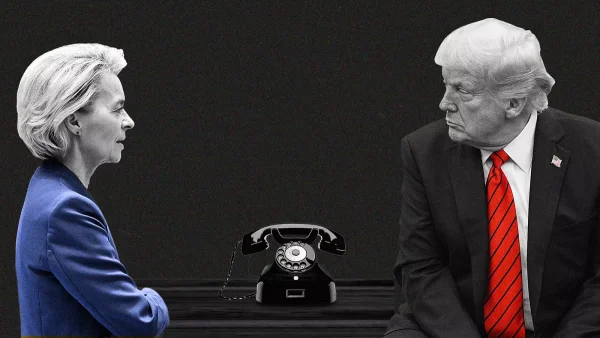
Additionally, the incoming Trump administration’s potential hardline stance on Iran could exacerbate tensions, leaving Iraq caught in the crossfire of a broader confrontation. The task of preventing conflict will require sustained diplomatic engagement, both domestically and internationally.
Iraq’s ability to navigate the Israel-Iran conflict without being drawn into war will depend on the strength of its leadership and the support of international partners. Its Shia leaders, particularly Ayatollah Sistani, are key to maintaining stability and curbing the influence of Iranian-backed paramilitaries. However, the stakes remain high. With Iraq’s sovereignty and fragile peace hanging in the balance, the international community must act decisively to support Baghdad in its quest for neutrality and stability.