At the heart of Somaliland’s quest to preserve its identity, 21-year-old Hafsa Omer is leading an extraordinary effort to digitize the nation’s cultural heritage. Through her work at the Hargeisa Cultural Center, Omer and her team are safeguarding more than 14,000 cassette tapes containing decades of music, poetry, and oral histories that chronicle the struggles, triumphs, and spirit of Somalilanders.
For a region steeped in oral tradition and grappling with the challenges of international unrecognition, this digitization project serves as both a historical preservation effort and a statement of cultural resilience.
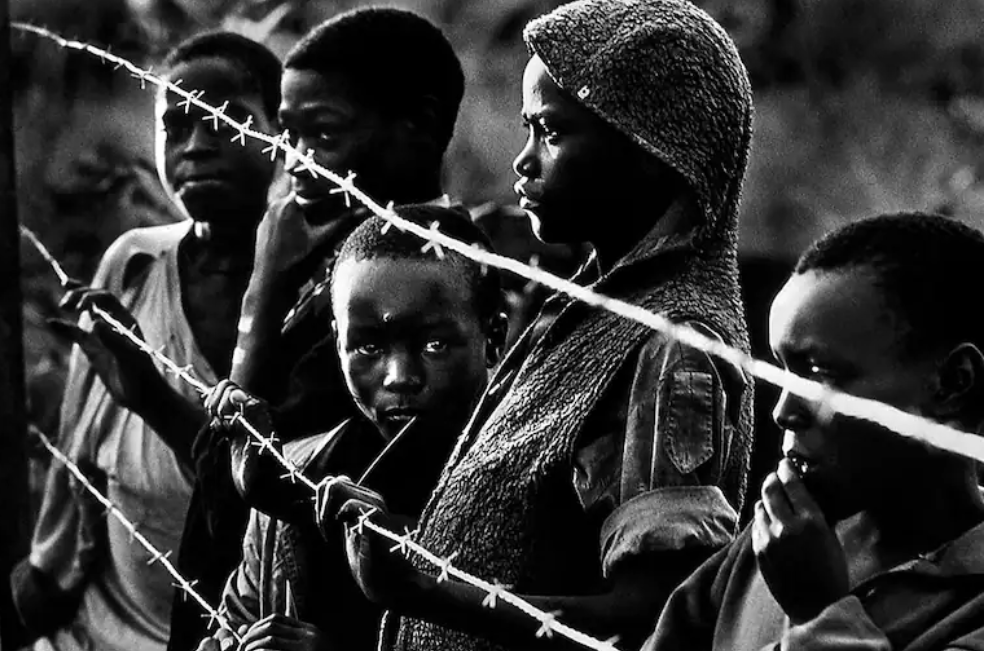
The cassettes, some dating back over 50 years, capture moments of profound historical significance. They include clandestine recordings from the Somali National Movement, counterculture music from the 1970s, and personal accounts of life under the dictatorship of Siad Barre. Among the tapes is a particularly poignant piece for Omer: a family recording from 1985, where her late aunt recounts the hardships of war.
As a manager of the archival project, Omer works methodically, converting the fragile tapes into a digital format that ensures their longevity. Her task is immense; only about 1,100 tapes have been digitized so far. But for Omer, the mission is deeply personal and urgent.
“People don’t see these things as important, but I do because my people—they don’t write, they don’t read—all they do is talk,” she explains, underscoring the critical role of oral tradition in Somaliland’s cultural narrative.
A Legacy Under Threat
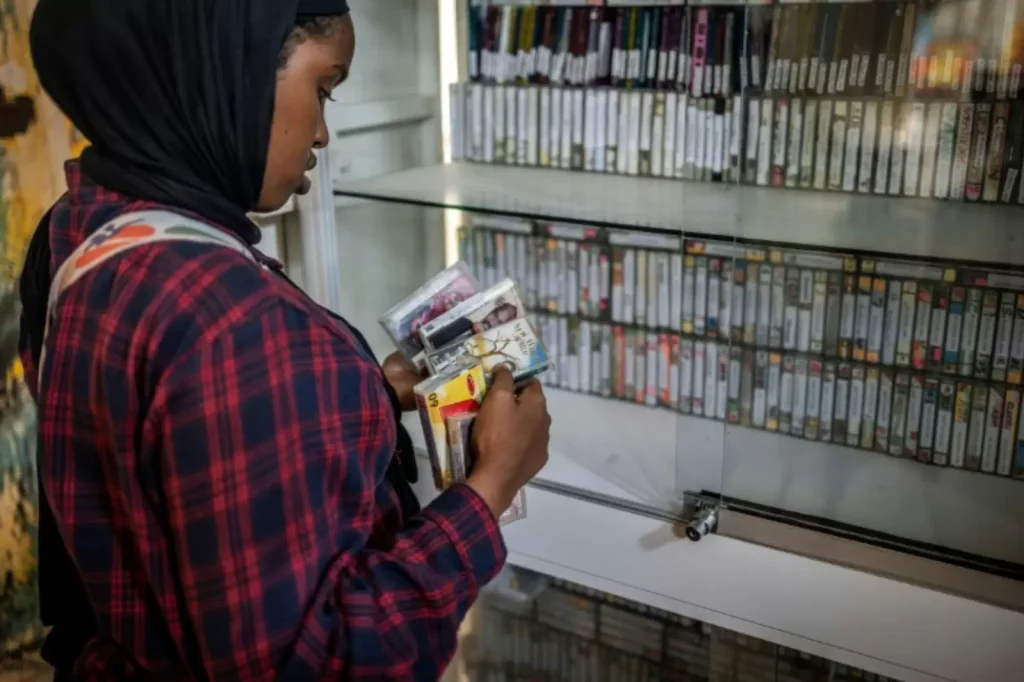
The Hargeisa Cultural Center, founded in 2014 by mathematician and cultural advocate Jama Musse Jama, serves as the project’s headquarters. The Center’s collection includes tapes salvaged from abandoned studios, private donations, and recordings smuggled out during the civil war. Many of these recordings were created in secrecy, as political dissenters sought safe spaces to express their ideas under Barre’s authoritarian regime.
The Center’s work is not just about preservation; it is also about education and cultural engagement. Through workshops, exhibitions, and the Hargeisa International Book Fair, the Center fosters a connection between Somaliland’s youth and their heritage.
Yet, the task is not without challenges. Somaliland’s post-war conservatism often clashes with the liberal artistic expressions found in the tapes, and the societal stigma around music persists. Omer, for instance, faces criticism from her own family, reflecting broader tensions between tradition and modernity in Somaliland’s evolving cultural landscape.
A National and Global Endeavor
The significance of the project transcends Somaliland’s borders. For a nation still unrecognized internationally, preserving its cultural and historical narratives is a way to assert its identity and independence. Somaliland’s golden era of music, poetry, and plays from the 1970s and 1980s, much of which is captured on these tapes, serves as a testament to the region’s creativity and resilience.
The project has garnered international recognition, with scholars and journalists lauding its efforts to preserve a crucial piece of African heritage. Omer and her team aspire to create a digital library accessible to Somalilanders worldwide, ensuring that these voices are not lost to time but remain a vibrant part of the nation’s identity.
Hafsa Omer’s work is a reminder of the power of youth-led initiatives in preserving cultural heritage. Amid societal resistance and logistical challenges, her determination has brought attention to the importance of documenting and celebrating Somaliland’s rich history.
By preserving these recordings, Omer is not just digitizing tapes; she is safeguarding the soul of a nation. Her work ensures that future generations of Somalilanders, both at home and abroad, can hear the voices of their ancestors, learn from their stories, and carry their legacy forward.
In a world increasingly defined by digital immediacy, Omer’s mission serves as a profound act of cultural stewardship, proving that even the smallest cassette tape can hold the weight of a nation’s history.