Senior Taliban leader confirms refuge for TTP militants, escalating cross-border tensions with Pakistan after deadly airstrikes in Afghanistan.
The Taliban’s acknowledgment of hosting Tehrik-e-Taliban Pakistan (TTP) militants on Afghan soil marks a significant shift in the group’s public stance and escalates tensions with neighboring Pakistan. The admission came after reported Pakistani airstrikes in Afghanistan’s Paktika province, which targeted TTP hideouts and allegedly killed both militants and dozens of civilians.
This development highlights the growing challenge of cross-border militancy in the region and underscores the complexity of Pakistan-Afghanistan relations under Taliban rule.
Taliban Information Minister Khairullah Khairkhwa’s remarks described the TTP as “guests” in Afghanistan, citing traditional Afghan values of hospitality. While the Taliban leadership had previously denied harboring foreign militants, this public acknowledgment signals a shift in rhetoric and reinforces suspicions about the group’s complicity in providing safe havens for anti-Pakistan militants.
Khairkhwa’s fiery statements also warned Pakistan against military actions on Afghan soil, invoking the historical failures of foreign powers in Afghanistan, including Britain, the Soviet Union, and the United States.
The TTP has intensified its insurgency in Pakistan since the Taliban regained power in Kabul in 2021. Designated as a global terrorist organization by the United Nations, the TTP has carried out numerous attacks in Pakistan, killing hundreds of civilians and security personnel.
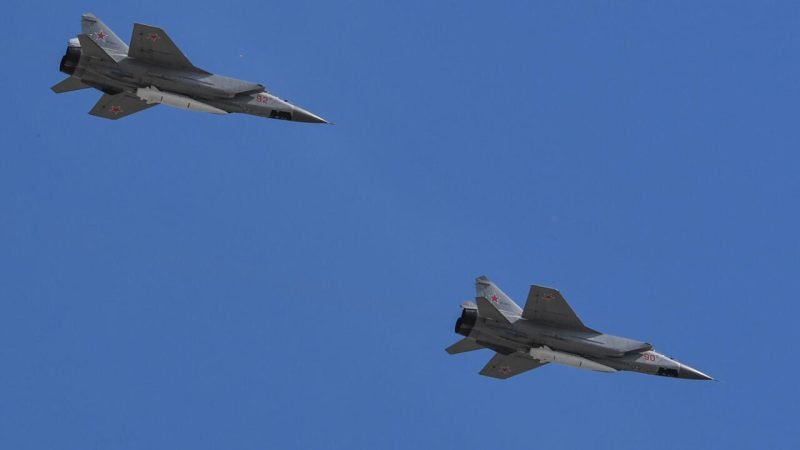
Pakistan’s recent airstrikes in Paktika province, while unacknowledged officially, were reportedly aimed at dismantling TTP hideouts. However, allegations of civilian casualties have drawn condemnation from the Taliban and international organizations, further straining relations between the two countries.
Prime Minister Shehbaz Sharif has called the TTP’s presence in Afghanistan a “red line” for Pakistan, urging the Taliban government to curtail the group’s operations. While Sharif expressed readiness to engage in dialogue with Afghanistan, he emphasized that progress hinges on Taliban action against TTP militants.
The Taliban’s justification for sheltering the TTP echoes its past defense of hosting Osama bin Laden, citing traditional hospitality norms. This pattern of shielding transnational militants has long complicated Afghanistan’s relationships with neighboring and global powers.
The TTP, like the Taliban during their insurgency, has leveraged cross-border sanctuaries to sustain its operations, exploiting the porous Afghanistan-Pakistan border. This dynamic mirrors the challenges faced by the U.S. and its allies during their two-decade military campaign in Afghanistan.
The Taliban’s tacit support for the TTP undermines their pledge to combat transnational militant networks. It also raises questions about their commitment to preventing Afghanistan from becoming a launchpad for regional and global terrorism.
A recent U.S. terrorism report highlighted the resurgence of militant networks in Afghanistan, emphasizing the risks posed by the TTP and other groups operating from Afghan territory. This resurgence not only threatens regional stability but also undermines international confidence in the Taliban’s counterterrorism efforts.
The Taliban’s acknowledgment of harboring anti-Pakistan militants reflects a deepening crisis in Pakistan-Afghanistan relations. While the Taliban invoke cultural traditions to justify their actions, the implications for regional security are severe.
As cross-border tensions escalate, the international community faces the challenge of addressing Afghanistan’s role as a sanctuary for militant groups while balancing humanitarian and geopolitical concerns. For Pakistan, the TTP’s continued presence in Afghanistan is not just a diplomatic concern but an existential threat that demands immediate and coordinated action.