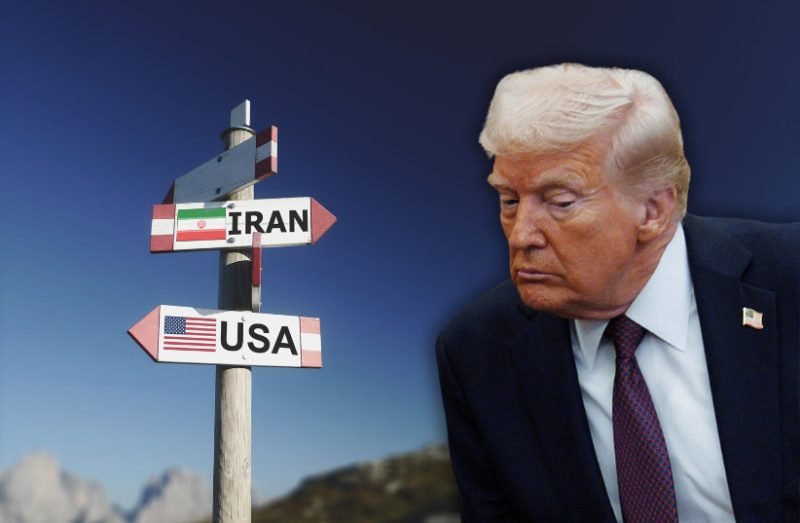
Diplomacy in Switzerland. Warships in the Gulf. The message from Tehran is clear.
Iran and Russia are set to conduct joint naval exercises in the Sea of Oman on Thursday, Iranian state media reported, just days after a second round of Oman-mediated nuclear talks between Tehran and Washington in Geneva.
According to the semi-official ISNA news agency, Rear Admiral Hassan Maghsoudloo said the drills would take place in the Sea of Oman and the northern Indian Ocean, with the stated aim of strengthening maritime security and deepening naval cooperation between the two countries. The duration of the maneuvers was not disclosed.
The exercises follow heightened military activity in the region. Earlier this week, Iran’s Islamic Revolutionary Guard Corps launched separate drills in the Strait of Hormuz, a critical chokepoint for global oil and gas shipments. Tehran briefly restricted sections of the strait for “security” reasons during live-fire exercises, though it has never fully closed the waterway despite repeated threats during past standoffs with the United States.
The Strait of Hormuz, through which roughly a fifth of the world’s oil passes, has long been a flashpoint in US-Iran tensions. President Donald Trump has deployed what he described as an “armada” of American naval assets to the region amid renewed nuclear negotiations.
Russia’s Defense Ministry said its warships, alongside Iranian and Chinese vessels, conducted artillery drills and simulated counterterrorism operations in the Gulf of Oman earlier this week. Crews practiced daytime and nighttime firing at mock unmanned boats and aerial targets, as well as joint boarding operations to free a vessel seized by simulated militants. Russian agencies reported the ships later returned to the Iranian port of Chabahar.
The maneuvers come against a backdrop of cautious optimism in Tehran following the latest talks in Geneva. Previous negotiations collapsed after an Israeli strike on Iranian targets in June 2025 triggered a 12-day conflict that briefly drew in the United States.
While diplomats speak of possible progress, the parallel display of naval coordination between Moscow and Tehran underscores a familiar reality: even as talks resume, military signaling remains central to the standoff.