In societies grappling with recurring issues of insecurity and conflict, it is imperative to delve into the root causes that fuel tensions between the government and its people or communities. Among the prevalent challenges are communal conflicts, clashes between the public and the government, and tensions arising from clan disputes intersecting with government interests.
At the core of these issues lies a fundamental disconnect between the populace and the government. Many individuals lack a comprehensive understanding of the benefits of governance and their entitlement to them. Moreover, the absence of effective political leadership further exacerbates this gap, leaving communities uninformed and devoid of a collective consciousness to safeguard their common interests.
Communal conflicts often stem from disputes over land usage, including issues related to animal grazing, territorial delineation, and access to vital resources such as water sources. These conflicts escalate due to inadequate mechanisms for dispute resolution and exacerbate existing tensions within communities.
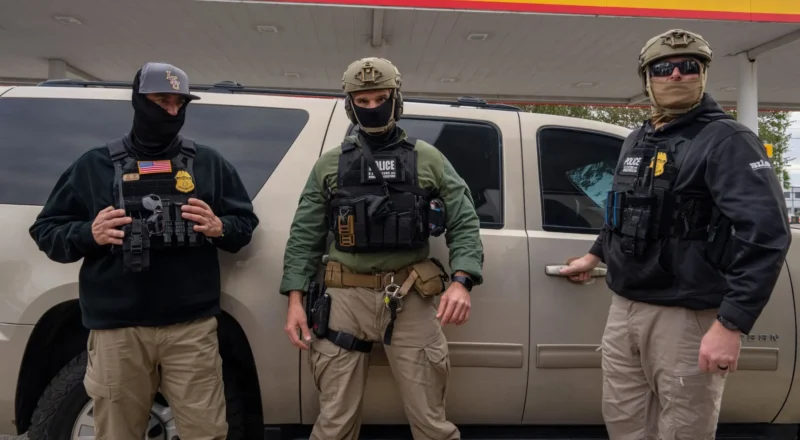
The conflict between the people and the government manifests in two primary forms. Firstly, citizens often protest against deteriorating living conditions, ranging from inflation and water scarcity to inadequate education and healthcare. These grievances are met with heavy-handed responses from government authorities, escalating tensions and eroding trust between the two parties. Secondly, political rivalries between the opposition and the ruling government spill over into violent clashes, resulting in loss of life and property.
Clan conflicts intersecting with government interests pose a unique challenge, as political contests often devolve into clan rivalries, jeopardizing public security and undermining the legitimacy of governance structures.
Addressing these recurring problems requires a multifaceted approach:
- Comprehensive Analysis: Conducting scientific studies to understand the underlying causes of conflicts and develop sustainable solutions that prevent their recurrence.
- Decentralization and Community Participation: Empowering local communities through decentralized governance structures and fostering community participation in decision-making processes.
- Depoliticization of Tribes and Communities: Detaching political affiliations from tribal and clan identities, and promoting political competition based on ideology and policy agendas rather than ethnic allegiances.
- Building Trust and Service Delivery: Restoring public trust in government institutions by prioritizing service delivery in essential sectors such as security, education, healthcare, and infrastructure development.
- Conflict Resolution and Military Training: Emphasizing non-violent conflict resolution strategies and providing military training that prioritizes dialogue and negotiation over armed intervention.
By addressing these underlying issues and implementing targeted interventions, governments can foster greater harmony between communities and governance structures, laying the groundwork for sustainable peace and development.