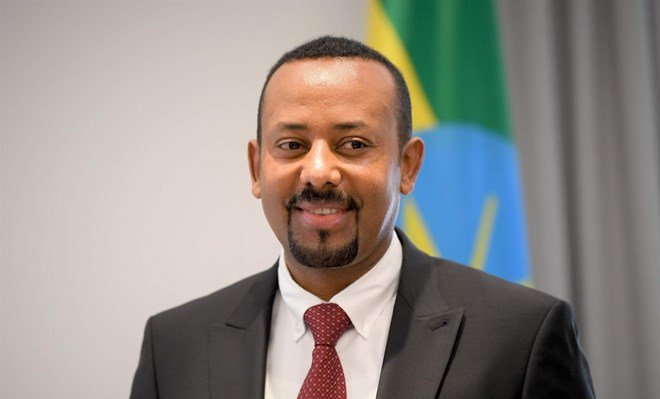
Ahmed al-Sharaa’s ascent signals a generational shift, but will it drive transformation or perpetuate conflict?
Ahmed al-Sharaa, better known as Abu Mohammad al-Jolani, has emerged as Syria’s new leader, symbolizing a generational shift in Middle Eastern politics. Born in 1982, he represents a younger wave of leadership alongside figures like Saudi Arabia’s Mohammed bin Salman and Qatar’s Tamim bin Hamad al-Thani. This younger cohort offers a stark contrast to aging Cold War-era leaders such as Mahmoud Abbas and Nabih Berri, whose policies and worldviews are deeply rooted in the past.
Al-Sharaa’s rise coincides with a region grappling with the legacies of decades-long conflicts and a decline in ideological movements such as Arab nationalism and political Islam. While many Islamist movements have ossified or lost influence, al-Sharaa represents a new iteration of political Islam. His leadership stands out as a potential turning point for Syria and possibly the broader Middle East.
A Shifting Regional Landscape
The Middle East is at a crossroads. Iran’s influence, once bolstered by alliances with Syria, Hezbollah, and Hamas, appears to be waning. Tehran’s axis of resistance is crumbling under the weight of economic sanctions, political mismanagement, and military defeats. Syria, a key Iranian ally, has already been pulled in multiple directions by actors like Turkey, Qatar, and Russia, each vying for a piece of influence in Damascus.
Jordan, in particular, views al-Sharaa’s leadership with concern, fearing that the Islamist resurgence he represents could fuel unrest within its borders. During the Arab Spring, monarchies like Jordan and Saudi Arabia managed to weather the storm of uprisings that toppled leaders in Libya, Egypt, and Tunisia. But with a new generation of leaders like al-Sharaa rising to power, the region’s fragile status quo may be tested again.
At the same time, regional powerhouses like Saudi Arabia and the UAE have taken firm stances against Islamist movements, prioritizing stability and modernization over ideological governance. This creates a dichotomy between the young leaders seeking to modernize their nations and those, like al-Sharaa, who may still draw on ideological roots to shape their policies.
Challenges and Opportunities Ahead
Al-Sharaa now faces a critical choice: Will he align with the emerging trend of modernization and diplomacy seen in leaders like Mohammed bin Salman, or will he perpetuate Syria’s role as a battleground for ideological and proxy wars? The region’s history shows how leadership decisions can have sweeping consequences. Leaders like Turkey’s Recep Tayyip Erdogan and Hamas’s Ismail Haniyeh have chosen paths of conflict and ideological fervor, often to the detriment of their people.
In contrast, al-Sharaa has an opportunity to distance himself from the war-driven policies of his predecessors and regional allies like Iran and Turkey. He could chart a new course for Syria by prioritizing economic recovery, regional cooperation, and the cessation of hostilities. Such a move would position him as a transformative leader in a region hungry for stability and progress.
However, history suggests caution. Young leaders often bring unpredictability, and al-Sharaa’s past association with militant factions raises questions about his commitment to peace. While his leadership represents a generational shift, the direction he chooses to take could either stabilize Syria or further entrench the region in conflict.
As the Middle East transitions into a new era of leadership, the choices made by al-Sharaa, Mohammed bin Salman, and others will define the region’s trajectory. Will they usher in an age of cooperation and modernization, or will they succumb to the allure of ideological adventures and rivalries? For now, the world watches as Syria’s new leader stands at this pivotal crossroads.