The devastating civil war in Sudan has claimed far more lives than earlier estimates suggested, according to new research, underscoring the profound human cost of a conflict that has also created the world’s most severe hunger crisis.
A study conducted by the London School of Hygiene and Tropical Medicine reveals that between April 2023 and June 2024, over 61,000 deaths occurred in Khartoum state alone, reflecting a 50% increase in the pre-war death rate. Of these, approximately 26,000 were attributed to violence, surpassing the 20,178 violent deaths reported for the entire country by the Armed Conflict Location & Event Data Project (ACLED), an organization relied upon by the United Nations and other international bodies.
Lead author Maysoon Dahab highlighted the study’s methodology, which employed “capture-recapture analysis.” This technique compares data from multiple sources to estimate the number of unrecorded events. The findings suggest that over 90% of all-cause and violent deaths in Khartoum went unrecorded, implying that the actual nationwide death toll may be vastly underestimated.
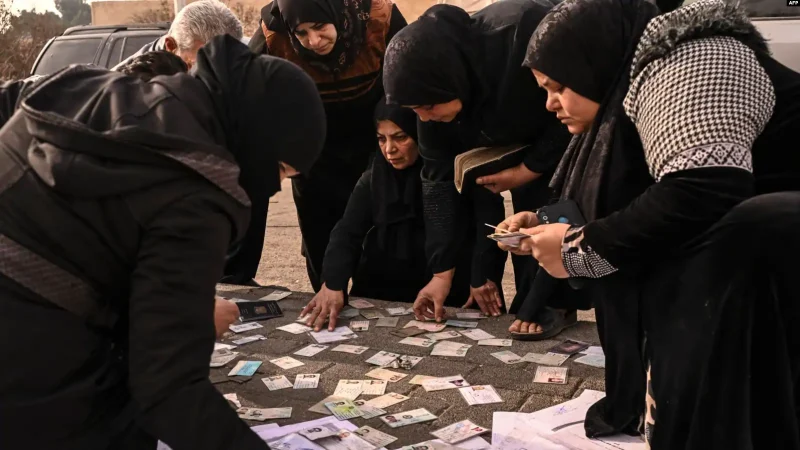
The primary drivers of death have not been violence alone but also starvation and preventable diseases, exacerbated by the collapse of government services. Entire communities remain cut off from aid, with little access to food, water, or medical care.
Doctors Without Borders reports a dire situation in Khartoum hospitals, where one in six patients since January has been a child under 15. Many of these children suffer severe injuries from gunshots, explosions, and shrapnel, while cases of severe malnutrition are rising sharply.
The United Nations has described Sudan’s humanitarian crisis as unparalleled. More than 25 million people—half the population—are in need of food assistance, while 11 million have been displaced from their homes. These figures make Sudan the epicenter of global hunger.
Maysoon Dahab emphasized the urgent need for international intervention. “The aid effort needs to be increased, scaled up, and targeted at inaccessible populations,” she said, adding that the research aims to highlight the true cost of the war to decision-makers.
Despite efforts to broker peace, the Sudanese army and the paramilitary Rapid Support Forces (RSF) show little willingness to agree to a ceasefire. The conflict, which began as a power struggle in April 2023, has devolved into a full-scale humanitarian disaster with no resolution in sight.
International diplomatic efforts have faltered. Russia recently vetoed a United Nations Security Council resolution calling for a ceasefire, arguing that the process excluded Sudanese stakeholders. The veto drew sharp criticism from Britain, which co-sponsored the resolution alongside Sierra Leone.
“This Russian veto is a disgrace,” said British Foreign Secretary David Lammy. “Shame on Putin for pretending to be a partner of the Global South while condemning black Africans to further killing, rape, and starvation in a brutal war.”
As the conflict deepens, the international community faces mounting pressure to scale up aid and push for an end to the violence. Thomas Perriello, the U.S. Special Envoy to Sudan, recently visited Khartoum for talks with the army chief and reiterated America’s commitment to ending the atrocities. However, achieving a truce will require overcoming significant obstacles, including entrenched hostilities and geopolitical divisions within the UN Security Council.
For Sudan’s millions of victims, the war has already exacted an unbearable toll. Without decisive global action, the tragedy will only deepen, leaving a generation scarred by violence, hunger, and loss.