As Israel and Hezbollah continue to trade blows in southern Lebanon, hopes for a cease-fire persist amid heightened violence and contradictory signals from both sides. While recent escalations could be seen as a tactical maneuver to strengthen negotiating positions, the situation remains precarious, with the potential for a misstep to derail any diplomatic progress.
The conflict, which erupted over a year ago, has resulted in significant casualties and displacement. According to the Lebanese Health Ministry, over 3,200 Lebanese civilians have been killed since the fighting began, alongside 100 Israeli deaths, mostly civilians, from Hezbollah rocket fire. Israeli forces report significant gains, including the destruction of over 140 Hezbollah rocket launchers and the elimination of thousands of the group’s operatives.
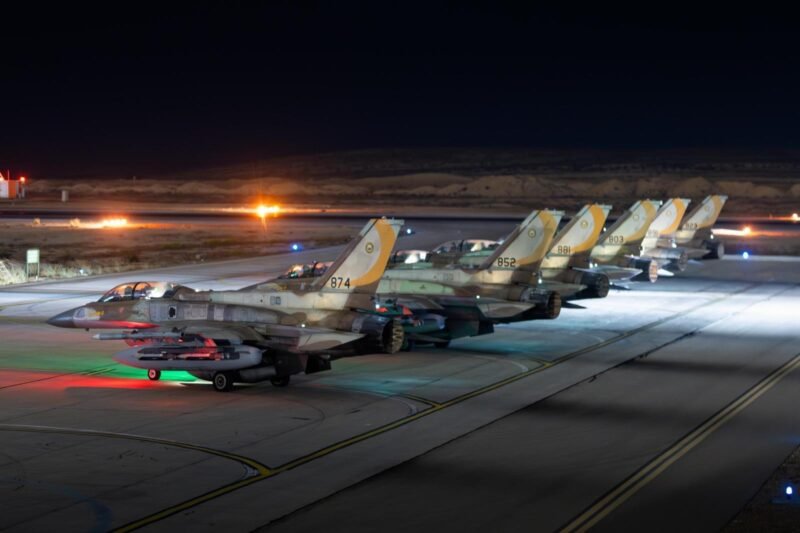
Despite these tactical victories, the Israeli military remains firmly engaged, conducting airstrikes across Lebanon, including targeted evacuations of neighborhoods such as Dahieh in Beirut, a known Hezbollah stronghold. Hezbollah, in turn, has continued launching rockets into Israel, demonstrating its operational resilience.
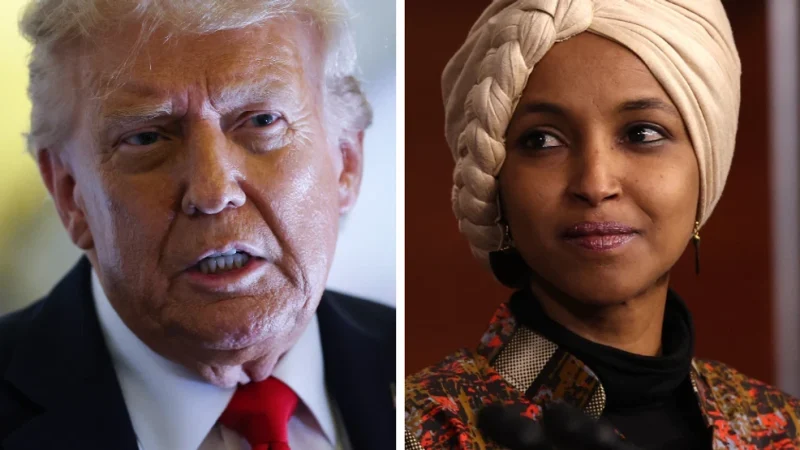
Reports suggest that the Israeli government is pushing for a cease-fire before U.S. President Donald Trump’s inauguration. However, Israel’s new Defense Minister, Israel Katz, has struck a more defiant tone, emphasizing that any agreement must include Hezbollah’s withdrawal beyond Lebanon’s Litani River and its complete disarmament.
Katz’s statements highlight Israel’s dissatisfaction with the status quo established by UN Security Council Resolution 1701, which ended the 2006 war but failed to disarm Hezbollah or prevent its re-militarization in southern Lebanon. Israeli policymakers argue that Hezbollah’s fortified presence near the Israeli border has eroded the deterrence established in previous conflicts.
“Israel’s military doctrine, once characterized by restraint and containment, is shifting back to preemptive action and decisive outcomes,” said Gabriel Ben-Dor, a political scientist at the University of Haifa. This strategy, he argues, reflects a renewed determination to address the root causes of the conflict rather than merely manage its symptoms.
Hezbollah’s losses in recent months have been substantial. The assassination of its leader, Hassan Nasrallah, and the targeted killing of senior commanders have dealt a blow to its operational capabilities. Moreover, sustained Israeli attacks have disrupted the group’s tunnel networks and weapons stockpiles, weakening its strategic depth.
Iran, Hezbollah’s primary backer, has also seen its investment in the group yield diminishing returns. While Tehran views Hezbollah as a critical deterrent against Israeli action, its weakened state raises questions about its long-term viability as a proxy force.
“Iran does not want to see Hezbollah completely destroyed but recognizes the cost of sustaining the conflict,” Ben-Dor explained. “For Israel, the goal is to corner Hezbollah into accepting terms that ensure long-term security.”
The role of the United Nations Interim Force in Lebanon (UNIFIL) remains contentious. Established in 2006 to monitor the cease-fire and facilitate Hezbollah’s disarmament, the force has faced criticism for failing to prevent the group’s re-armament. An upgraded resolution, reportedly agreed upon by Israel and the U.S., would grant UNIFIL broader authority and enable Israel to act decisively against Hezbollah if necessary.
Kobi Michael, a senior researcher at the Institute for National Security Studies (INSS), notes that any cease-fire must include mechanisms to enforce these provisions. “Without effective Lebanese or international control over Hezbollah, Israel cannot afford to withdraw its forces,” he said.
While both Israel and Hezbollah are using the current escalation to strengthen their negotiating positions, the risk of spiraling violence remains high. For Israel, the war’s end goal is the safe return of citizens displaced by the conflict—a prospect contingent on achieving robust security guarantees.
Hezbollah, for its part, seeks to project strength by maintaining its capacity to challenge Israel. However, its current trajectory suggests it may soon have to recalibrate its ambitions in light of mounting losses and external pressures.
As both sides approach the brink, the prospect of a cease-fire remains within reach. Yet, any agreement will hinge on the ability of regional and international actors to broker terms that address the underlying dynamics of this enduring conflict.