Western diplomats have called on Somaliland’s presidential candidates and their supporters to accept the upcoming election results, emphasizing the importance of democratic integrity as vote counting continues.
Representatives from nine European nations and the United States observed the polls, commending Somaliland’s National Electoral Commission (NEC) for its transparent voter registration and candidate nomination processes. “We reaffirm our support for the democratic process in Somaliland,” stated U.K. Ambassador to Somalia, Mike Nithavrianakis, on behalf of the diplomats.

While international observers praised the overall peaceful nature of the election, logistical and procedural hurdles were noted. Tim Cole, the chief observer of the International Election Observation Mission, reported administrative issues at some polling stations. Delayed openings were observed in areas, including the capital Hargeisa, with voters enduring long queues.
However, Cole highlighted the public’s enthusiasm for participation, adding, “In general, people wanted to vote, and the elections were peaceful.”
Some polling stations, particularly in conflict-affected areas, did not open, limiting voter access. Despite these setbacks, Cole emphasized that the tallying process, which involves collecting ballot boxes from Somaliland’s six regions, was proceeding as planned, with final results expected next week.
The Brenthurst Foundation, a Johannesburg-based think tank, also observed the elections and declared them free, fair, and credible, praising Somaliland’s efforts despite financial and institutional constraints.
Brenthurst Foundation Observes “Free, Fair, and Credible” Somaliland Elections Amidst Challenges
The election marks the fourth since Somaliland declared independence from Somalia in 1991. Although the region operates with its own governance and democratic structures, it remains unrecognized internationally. Somalia continues to claim Somaliland as part of its territory.
More than 1.2 million registered voters participated, underscoring the region’s commitment to democratic processes despite its lack of global recognition.
The candidates’ campaigns centered on pressing issues such as Somaliland’s struggling economy and its quest for international recognition.
Vote Counting Underway in Somaliland After Peaceful Presidential Election
Recognition also dominated political discourse. Incumbent President Muse Bihi Abdi’s Memorandum of Understanding (MOU) with Ethiopia, which leases 20 kilometers of Somaliland’s seafront to the landlocked nation in exchange for recognition, has been both lauded and criticized.
While the ruling party has committed to formalizing the agreement, opposition leaders have called for greater transparency and public consultation. Somalia, meanwhile, has condemned the deal as a violation of its sovereignty, a position Ethiopia and Somaliland reject.
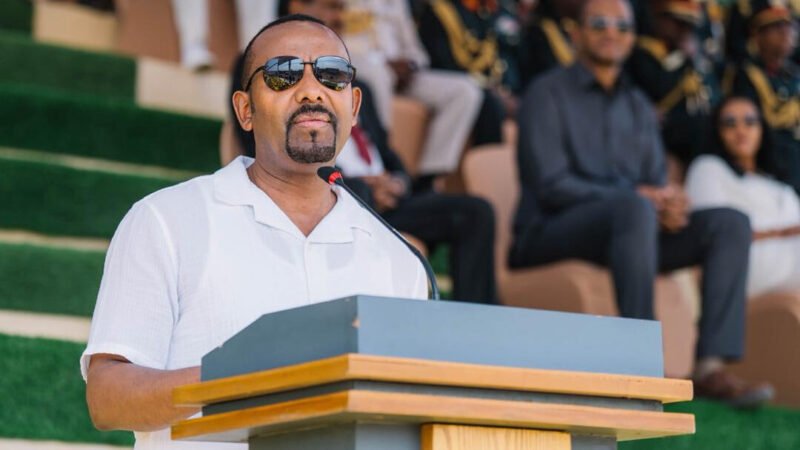
Ethiopia congratulated Somaliland on conducting a peaceful election, praising the NEC for its transparency and the maturity of Somaliland’s democratic system. Western diplomats echoed these sentiments, expressing readiness to continue supporting Somaliland’s democratic development.
As the tallying process continues, Somaliland’s leaders face the crucial test of respecting the outcome, a pivotal step in strengthening democratic accountability and stability in the region.