As Election Day looms, Erie County in Pennsylvania stands at the epicenter of a high-stakes political battle, capturing the attention of strategists and campaign officials nationwide. The county, which has predicted the winner of the last four presidential elections, mirrors broader national trends and remains a key bellwether in a closely contested race.
“Erie County is such a microcosm of the entire nation,” explains Jeff Bloodworth, a history professor at Gannon University. The area, noted for its predominantly white and working-class demographic, is emblematic of Pennsylvania’s political landscape—leaning slightly whiter, poorer, and less educated than state averages. Such factors have made it a competitive arena for both Democratic and Republican campaigns, with presidential candidates focusing intently on this county in the final stretch.
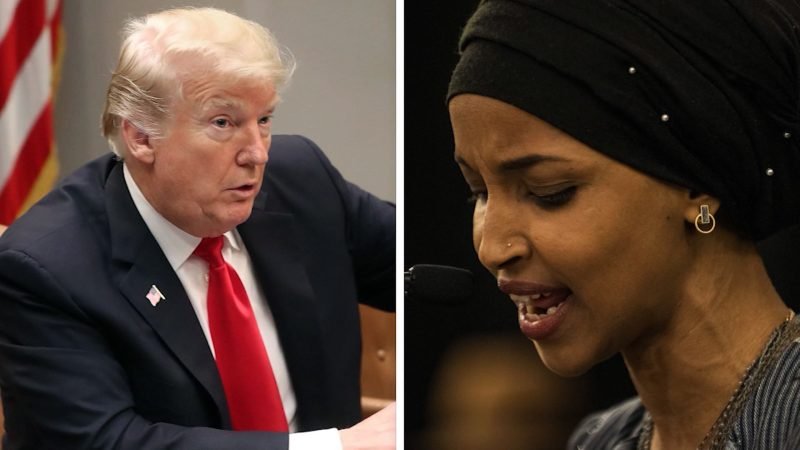
Recent campaign visits reflect each party’s intensified efforts to mobilize voters. Vice President Kamala Harris, speaking at a recent rally, emphasized the county’s role as a “pivot” that could ultimately forecast the national outcome. Former President Donald Trump, meanwhile, played to his base, asserting that workers once loyal to the Democratic Party had become “Trump Republicans,” rallying for promises of prosperity.
Democrats traditionally perform well within the city limits, but Erie County’s rural enclaves are heavily Republican. Sam Talarico, chair of the local Democratic Party, underscored the importance of engaging their base directly: “We’re past the persuasion point. It’s about turnout, and nothing works better than a knock at the door.” Yet, in the rural regions, Trump loyalists like Harold Ross take a similar approach, albeit cautiously: “You could walk into a hardliner—a Democrat,” Ross notes, underscoring the need to tread lightly in an area where partisan lines blur in unexpected ways.
Despite their distinct strategies, Erie’s voters are united in their exhaustion from being the perennial focus of national campaigns. Mario Mazza, who manages his family’s vineyard along Lake Erie, speaks to the fatigue many feel amid the campaign frenzy. Mazza, whose father and uncle emigrated from Italy and grew their business over decades, notes a shared yearning for pragmatic policy solutions, especially on immigration—a vital concern for the agricultural community.
“Without labor, the agricultural machine in this country will grind to a halt,” Mazza emphasizes. The county’s Hispanic community, particularly an influx of Puerto Rican families, has partially offset Erie’s population decline and brought new energy to its economy. Local restaurant owner Leida Rodriguez says her customers feel the impact of inflation keenly and desire leadership focused on economic relief. “The cost of food, the rent going up—those are the issues people are looking at,” Rodriguez says, summarizing the pressing concerns of her patrons.
For all the attention Erie County garners, its demographic shifts hint at changing electoral dynamics. Erie’s Hispanic population has increased, adding a layer of complexity to the county’s political makeup. Yet, both Democrats and Republicans recognize that the rules may be different this time. Bloodworth acknowledges that assumptions favoring Democrats due to their voter registration edge may no longer hold. “Before Trump, you’d think, ‘The Democrats are organized; they’re going to win.’ But Trump has changed the rules of American politics.”
As the clock counts down, Erie County remains a focal point for campaigns seeking an edge in Pennsylvania, a state crucial for any presidential hopeful. Both sides agree: the stakes are extraordinarily high, and the county’s unpredictable voters could very well decide who occupies the White House.