As Egypt’s Bluster Intensifies, Its Mismanagement of Water Resources and Overreaching Ambitions Are Exposed
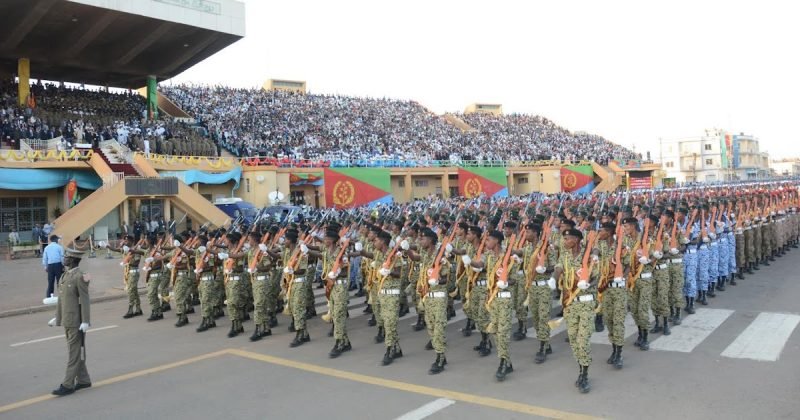
As the Grand Ethiopian Renaissance Dam (GERD) nears completion, the Nile River has become a flashpoint of tension between Egypt and Ethiopia. Recent headlines scream of impending conflict: “New war looms over Nile water,” with Egypt’s military mobilizing troops and issuing stark warnings against Ethiopia. Yet, beneath this charged rhetoric lies a troubling truth: Egypt’s furious outcry against Ethiopia’s dam is more a smokescreen for its own failings and ambitions than a legitimate concern for the Nile’s future.
On September 1, Egyptian officials issued a veiled threat in response to Ethiopia’s dam activities, a move that seemed to foreshadow a series of military maneuvers including the dispatch of 1,000 soldiers to the troubled Somalia. This aggressive stance aligns with the recent, provocative statements from Ethiopian Prime Minister Abiy Ahmed, who vowed to “humiliate” any nation threatening his country’s sovereignty. Ahmed’s fiery declaration at the Sovereignty Day ceremony in Addis Ababa underscores the high stakes in this regional standoff.
The crux of the conflict lies in the Nile itself—a lifeline for Egypt, which relies almost entirely on the river for its water needs due to the country’s minimal rainfall. Egypt’s concerns about Ethiopia’s GERD focus on the fear that the dam could diminish their water supply, potentially jeopardizing up to 200,000 acres of irrigated land. Additionally, Egypt is wary of the dam’s impact during droughts, fearing that Ethiopia might prioritize electricity generation over water flow, exacerbating their water scarcity.
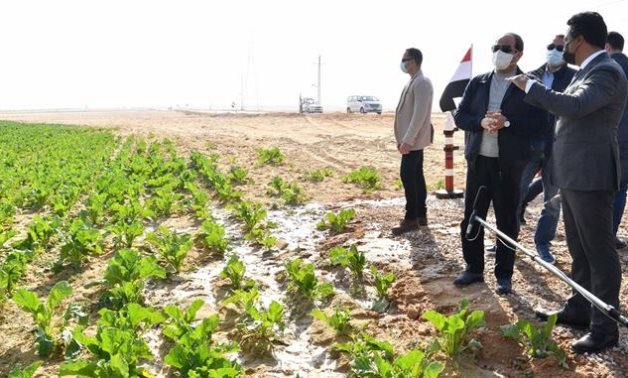
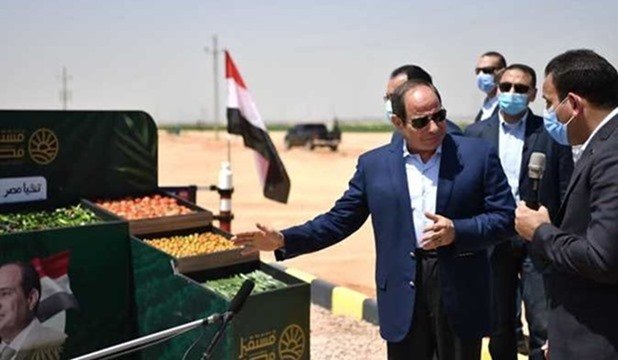
Yet, this narrative presents only a partial view of the issue. Egypt’s criticism of Ethiopia overlooks its own broader ambitions and management failures. Cairo’s expansive agricultural schemes, particularly in the desert and Sinai regions, highlight a complex and perhaps less palatable side of the story. The Aswan High Dam, a monumental engineering feat, has already transformed vast desert areas into productive farmland. Further plans to irrigate the Sinai Peninsula and other arid regions reveal Egypt’s unrelenting drive to expand its agricultural footprint, utilizing Nile water to fuel these ambitions.
In 2019, reports detailed how tens of thousands of cubic meters of Nile water were being redirected to Northern Sinai, aiming to create new agricultural hubs and attract investment. This ambitious plan, dating back to the late 1970s and ramped up under President Abdel Fattah el-Sisi, represents a significant expansion of Egypt’s agricultural base, fueled by the very river that is now the subject of heated dispute.
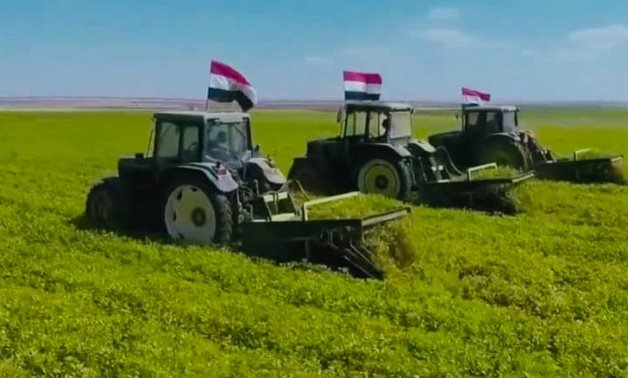
Such aggressive expansion raises critical questions: Should Ethiopia halt its development projects to accommodate Egypt’s increasing agricultural needs? Is it fair to demand that Ethiopia’s dam, which serves to electrify a nation with a significant portion of its population lacking reliable power, be restricted to preserve Egypt’s extensive irrigation plans?
Ethiopia’s rationale for the GERD is clear and pragmatic. The dam aims to address the needs of 60% of its population currently without electricity and to boost its economic development through enhanced power generation. The dam, located near the Sudanese border, is designed to serve Ethiopia’s burgeoning energy requirements and to provide potential benefits to neighboring countries, including Sudan and South Sudan.
Egypt’s vehement opposition, therefore, seems to mask a deeper issue: a failure to manage its own water resources effectively while pursuing increasingly ambitious agricultural projects that strain regional resources. By framing the GERD as a threat to its survival, Egypt deflects attention from its own strategic and management shortcomings.
As tensions continue to escalate, it is imperative to scrutinize the broader implications of this dispute. Egypt’s outcry may well be a desperate attempt to salvage a position of power and control over the Nile, but it also underscores the pressing need for a more balanced and cooperative approach to managing this vital resource. The reality is that both nations are pursuing their legitimate interests, but the clash of these interests could have far-reaching consequences for the entire region.
In the quest for regional stability, the challenge remains to address these contentious issues through diplomacy and cooperation, rather than through military threats or unilateral actions. The Nile is a shared resource, and its management demands a nuanced understanding of both historical grievances and contemporary needs. As Egypt’s frustrations and Ethiopia’s resolve collide, the world watches to see if a path to mutual understanding and sustainable management can emerge from the shadows of conflict.