The Egyptian Military Involvement: A Calamity in the Making
The current geopolitical landscape in East Africa has taken a perilous turn, as Somalia’s alliances draw closer to Egypt amid an escalating crisis with Ethiopia over the Grand Ethiopian Renaissance Dam (GERD). As Egypt intensifies its military cooperation with Somalia, the situation intensifies, setting the stage for a potential regional conflagration. The recent arrival of Egyptian military aircraft in Mogadishu, loaded with arms and ammunition, is not just a mere tactical maneuver; it represents a potentially catastrophic shift that threatens the stability of Somaliland, Ethiopia, and the broader region.
Somalia, in a desperate attempt to mask its political failures and internal strife, is resorting to the dangerous strategy of proxy warfare, leveraging Egypt’s animosity towards Ethiopia. This desperate alignment signals a strategy that not only endangers Somalia but also puts Somaliland and Ethiopia at great risk. The Mogadishu administration, struggling with governance issues and rampant terrorism at home, risks provoking a conflict that could spiral out of control, drawing Somaliland and Ethiopia into a disastrous confrontation.
The Somali government’s recent military rapprochement with Egypt speaks volumes about its inability to focus on the pressing issues within its borders. While Somalia grapples with Al-Shabaab insurgency and extreme poverty, it chooses to redirect attention by engaging in dangerous military pacts that threaten surrounding nations. This alliance with Egypt not only undermines Somaliland’s hard-fought quest for recognition and stability but also jeopardizes Ethiopia, which remains embroiled in its own struggles with a backdrop of civil conflict and humanitarian crisis.
Somalia’s Fragile State: A Tactic of Distruction
The embattled nature of Somalia’s political landscape reveals a government that prioritizes regional warfare over essential domestic reforms. Just as the Sudanese political arena further destabilizes, the Somali leadership appears willing to repeat tragic historical patterns, where the suffering of one nation serves as a mere backdrop for the political ambitions of another. The risk associated with these international alliances cannot be understated; they could spiral out of control, igniting tensions that would lead to open conflict.
The Egyptian Escort: A Weapon of Desperation
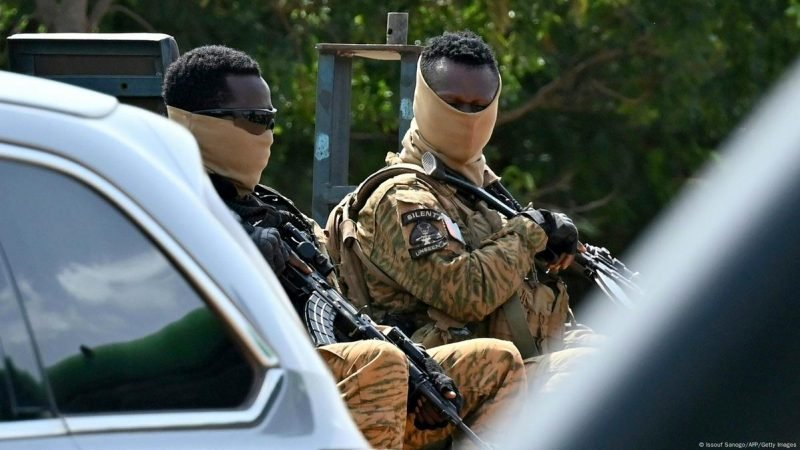
The abysmal condition in Sudan serves as a grim cautionary tale about the dangers of civil strife and outside influences. Somalia should heed this message rather than seek alliances that could have explosive repercussions. Egypt’s military involvement marks a fraught escalation that feeds into an existing pattern of regional discord, with Somalia effectively acting as a pawn in a larger geopolitical game. Major General Nasr Salem’s assertion that this military backing is a defensive measure for Egyptian interests is a thin veneer for a reckless disregard for regional stability. This dangerous rhetoric undermines efforts to cultivate peace and cooperation in a region that has endured too much violence.
It is evident that this military cooperation is a message of deterrence against Ethiopia. However, the reality is different: it is a declaration of imminent conflict. The transport of arms and military collaboration places Ethiopia and Somalia on a collision course over the Nile and beyond. Ethiopia, informed about the seriousness of the situation, has made it clear that it will not tolerate aggression against its territorial integrity. History has repeatedly shown that proxy wars often spiral into direct confrontations, creating devastation and enduring animosity.
Implications for Somaliland
For Somaliland, the urgency of this situation cannot be overstated. The arrival of Egyptian military support to Somalia is a direct threat to its sovereignty and hard-earned stability. Somaliland’s drive toward self-determination may be threatened by the burgeoning conflict between Somalia and Ethiopia, igniting instability in an already fragile region. The implications extend beyond immediate dangers — a military confrontation could erase years of progress in governance and development, plunging Somaliland back into the chaos that characterized years of civil war.
The Somali government’s rhetoric of refusing to acknowledge Somaliland’s partnership with Ethiopia no longer holds weight in the face of growing international recognition and cooperation. The reality is that Somaliland is seeking its legitimate place on the global stage, and Somalia’s attempts to crush its aspirations through military alliances will not suffocate its quest for independence.
Conclusion
The currents of war are gathering strength, and the specter of conflict looms large. The prevailing desire from Somalia and Egypt to instigate a regional war serves an agenda steeped in insecurity rather than promoting peace and stability. Instead of looking outward and engaging in dangerous military posturing, Somalia must address its internal issues and build a government that truly represents the needs and aspirations of its people.
If not checked, this burgeoning crisis could entangle the region in violence reminiscent of past conflicts, leaving a trail of destruction reminiscent of Sudan’s current humanitarian debacle. It is imperative for Somaliland and Ethiopia to unite and call for moderation, urging Somalia to reconsider the path it is on. History is rife with examples where proxy wars led to calamities; the time is now for all stakeholders in the region to work towards genuine peace, channeling our energies into building a future free from war and strife for all citizens of the Horn of Africa.
As the clouds of war gather, the message should be clear: the people of the region and beyond deserve better than the failed tactic of proxy warfare – they deserve peace, stability, and the chance to thrive in a secure environment.