New Deployments Signal Robust Support for Israel Against Potential Iranian Strikes
In a dramatic escalation, the U.S. is deploying warships and fighter jets to the Middle East, signaling unyielding support for Israel as both nations brace for a potential Iranian military strike. Defense Secretary Lloyd Austin signed orders for the additional assets following Tehran’s vows of revenge for the recent killings of high-profile Hezbollah and Hamas leaders.
The USS Abraham Lincoln aircraft carrier strike group, along with naval cruisers and destroyers, is headed to the region, capable of intercepting ballistic missiles. An additional fighter squadron and land-based missile defense systems are also en route. The Pentagon’s statement described these moves as crucial to “mitigate the possibility of regional escalation by Iran or its proxies,” emphasizing the bolstering of U.S. force protection and defense of Israel.
The timing of these deployments underscores the urgency. Tehran’s rage ignited after the assassination of Hezbollah commander Fouad Shukur in Lebanon and Hamas leader Ismail Haniyeh in Iran, whom Iran blames on Israel. Iranian Supreme Leader Ayatollah Ali Khamenei has publicly called for severe retribution, pledging that Iran will avenge these deaths. Iranian officials are currently strategizing with proxies like Hamas, Hezbollah, and militias in Yemen, Iraq, and Syria, promising a formidable response.
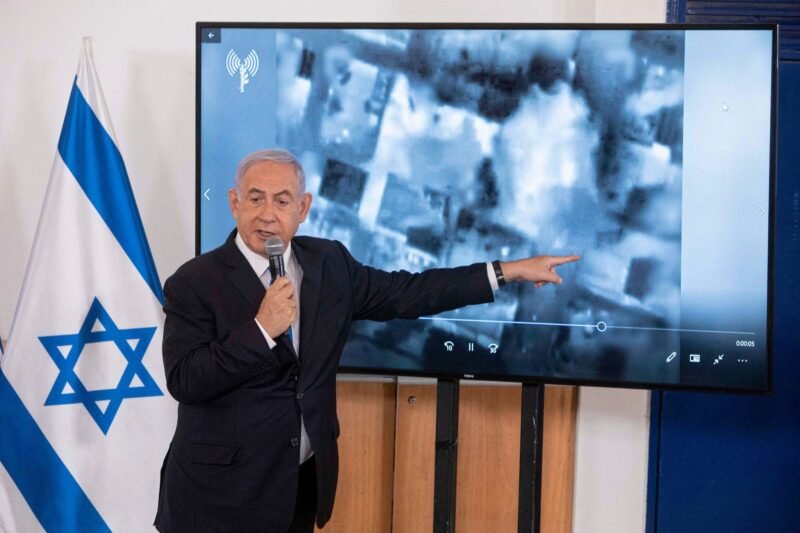
Amidst this, U.S. officials have been clear: Israel will not face Iran’s wrath alone. President Joe Biden, in a recent call with Israeli Prime Minister Benjamin Netanyahu, assured continued U.S. support, including new defensive deployments. The Pentagon reiterated this stance, underscoring the U.S. resolve to stand by Israel against Iranian aggression.
The stakes couldn’t be higher. An Israeli airstrike that killed Hezbollah’s Shukur and the subsequent assassination of Haniyeh have significantly escalated tensions. Iran’s military leaders are vocal, warning that Israel will “undoubtedly regret” these actions, as they weigh their retaliatory options. Meanwhile, U.S. defense officials are keen to prevent these tensions from spiraling into a full-blown regional war.
The Pentagon has already stationed a U.S. Marine Corps amphibious ready group with approximately 4,000 troops in the region, and the USS Theodore Roosevelt carrier strike group remains on alert until the USS Abraham Lincoln group arrives. Historical precedent shows U.S. commitment; in April, coordinated efforts with allies thwarted a massive drone and missile barrage by Iran.
Yet, the effectiveness of such a coalition in deterring another Iranian attack remains uncertain. The U.S. is prepared for all contingencies, with Pentagon officials maintaining that escalation is not inevitable, advocating for a cease-fire between Israel and Hamas as a potential “off-ramp.”
This move by the U.S. is a stark reminder of the volatile nature of Middle Eastern geopolitics. The world watches as the U.S. and Israel brace for Iran’s next move, knowing full well that the outcome could reshape the region’s political landscape.