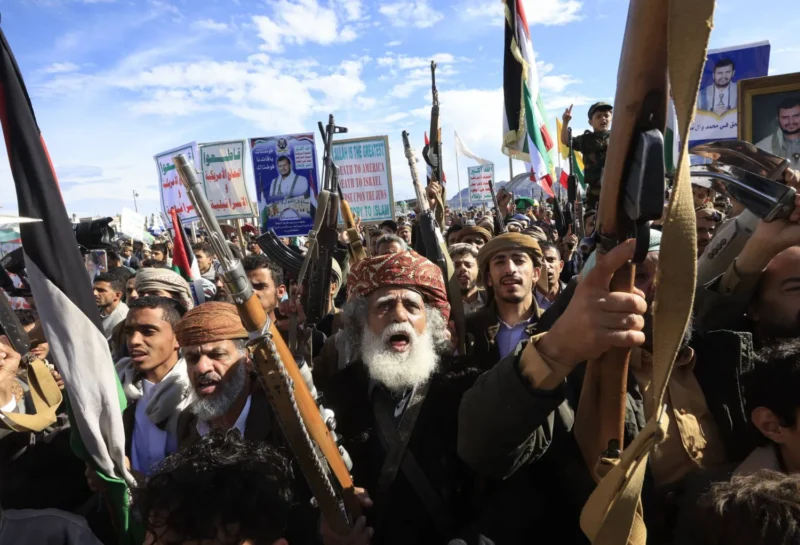
Turkey’s Shadow Diplomacy and Somalia’s Deflection Tactics Undermine Somaliland’s Legitimate Deal with Ethiopia
Somaliland’s landmark deal with Ethiopia is under fierce and unfounded attack by Turkey and Somalia. While Ethiopia and Somaliland celebrate a crucial memorandum of understanding (MoU) signed on January 1, the dubious tactics of Turkey and Somalia reveal a troubling disregard for Somaliland’s sovereignty and democratic legitimacy.

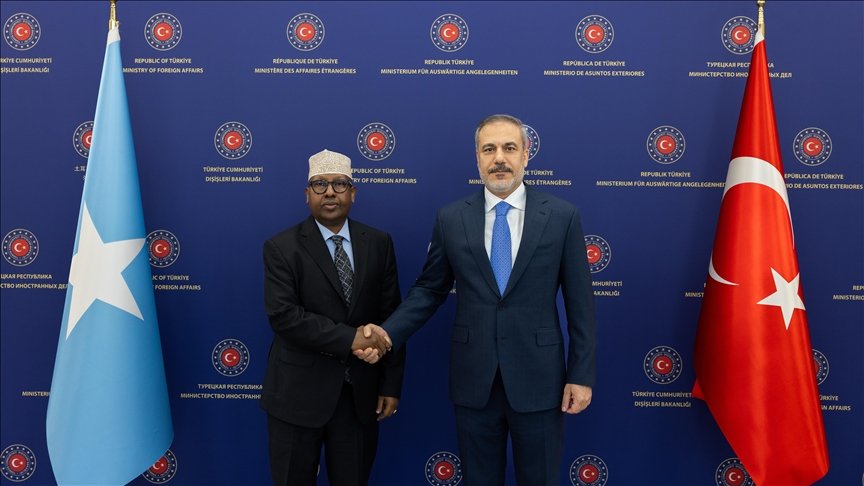
The MoU, which includes a strategic 20-kilometer coastal lease for Ethiopia to establish a marine base, represents a significant boost for Somaliland’s strategic and economic positioning. Yet, instead of recognizing Somaliland’s right to forge its own path, Turkey’s Foreign Affairs Minister Hakan Fidan has been orchestrating secretive, indirect negotiations with Somali officials, avoiding direct confrontation with Ethiopia. This covert intervention raises serious questions about Turkey’s motives and its undermining of Somaliland’s sovereignty.
Somalia’s reaction has been nothing short of hostile. Accusing Ethiopia and Somaliland of infringing on its territorial integrity, Somalia is effectively masking its own failures with baseless claims. Despite the significant turmoil and instability plaguing Somalia—where Al-Shabaab continues to wreak havoc—the Somali government’s criticisms of the Ethiopia-Somaliland deal are seen as a smokescreen for its inability to address its internal crises.
Turkey’s President Recep Tayyip Erdogan has further exacerbated the situation by demanding “concrete results” from the negotiations and issuing statements on social media that blatantly downplay Somaliland’s rightful claims. Erdogan’s actions reflect a clear bias and raise concerns about Turkey’s real intentions, suggesting an agenda that undermines Somaliland’s achievements and strategic autonomy.
Contrary to Somalia’s inflammatory rhetoric, Somaliland’s MoU with Ethiopia is a testament to its resilience and strategic significance. Since declaring back its independence in 1991, Somaliland has maintained a stable and democratic government, holding multiple free elections and establishing a model for governance in the region. Its ability to navigate complex international relations with Ethiopia highlights its sovereignty and underscores the legitimacy of its strategic agreements.
Somaliland’s government rightfully condemns the interference from Turkey and the unfounded accusations from Somalia. The MoU with Ethiopia is not just a diplomatic agreement but a crucial step toward regional stability and economic development. Somaliland’s strategic port city of Berbera, poised to become a major economic hub, is a testament to its growing influence and rightful place in the Horn of Africa.
In contrast, Somalia’s ongoing internal struggles and its government’s inability to ensure stability only serve to highlight the contrast between the two regions. Somaliland’s democratic success and peaceful governance starkly contrast with Somalia’s daily challenges and instability, making Somalia’s criticisms not only misplaced but also hypocritical.
As the world watches this unfolding drama, the real issue is clear: Somaliland’s right to engage in strategic partnerships and assert its sovereignty is being unjustly challenged. Turkey and Somalia’s baseless attacks threaten to destabilize a region that is already fraught with tension. The Ethiopia-Somaliland MoU represents a legitimate and strategic alliance that deserves recognition and respect, not the unjustified criticism and diplomatic games being played by external actors.