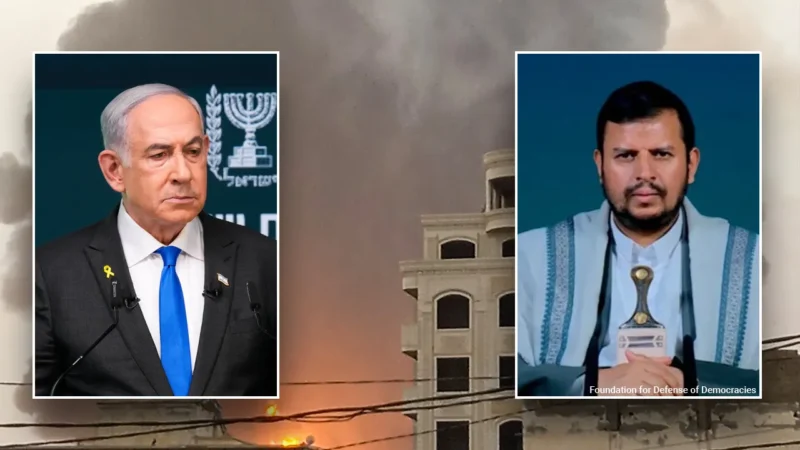
Unveiling the Language Dynamics That Shape Human Interaction
BY GUEST ESSAY:
Curious about discourse analysis? Dive deep into the nuances of language and communication dynamics that shape our interactions.
In the rich tapestry of human communication lies a profound understanding of language dynamics – a realm explored through the lens of discourse analysis. From casual conversations to political speeches, discourse analysis unveils the intricate layers of language that shape our interactions, beliefs, and societal structures. Let us embark on a journey to unravel the mysteries of discourse analysis and explore its profound implications for understanding human behavior and communication dynamics.
Unveiling Discourse Analysis:
Discourse analysis is a multidisciplinary approach that examines the use of language in social contexts, focusing on the structure, patterns, and functions of communication. Rooted in linguistics, sociology, anthropology, and communication studies, discourse analysis seeks to uncover the underlying meanings, power dynamics, and social constructions embedded within spoken and written texts.
Exploring Language Dynamics:
At its core, discourse analysis delves into the intricate interplay between language, power, and identity. By examining the choice of words, rhetorical strategies, and communicative patterns, discourse analysts seek to uncover how language shapes our perceptions, beliefs, and social realities. From analyzing political speeches to dissecting media narratives, discourse analysis sheds light on the ways in which language influences social norms, ideologies, and power structures.
Key Concepts in Discourse Analysis:
- Text and Context: Discourse analysts examine texts within their broader social and cultural contexts, recognizing the influence of social dynamics, power relations, and historical discourses on language use.
- Power and Ideology: Language is inherently imbued with power, reflecting and reinforcing existing social hierarchies, ideologies, and inequalities. Discourse analysis exposes how language can be wielded to shape perceptions, marginalize certain groups, and maintain hegemonic structures.
- Discursive Strategies: From framing and metaphor to intertextuality and silence, discourse analysis identifies the various strategies through which language is employed to construct meaning, negotiate identities, and shape social realities.
- Identity and Representation: Language plays a crucial role in the construction and negotiation of individual and collective identities. Discourse analysis explores how language reflects and shapes identities based on factors such as gender, race, class, and nationality.
Applications of Discourse Analysis:
Discourse analysis finds applications across a diverse range of fields, including media studies, political science, education, psychology, and cultural studies. By uncovering the underlying meanings and power dynamics embedded within language, discourse analysis offers valuable insights into social phenomena, ideological shifts, and communicative practices.
Conclusion:
As we navigate the complexities of human communication, discourse analysis serves as a powerful tool for unraveling the intricacies of language and understanding the dynamics that shape our interactions, beliefs, and social structures. By delving into the nuances of language use, discourse analysts illuminate the ways in which language reflects and reinforces social realities, offering invaluable insights into the complexities of the human experience.