Tensions rise in the Korean Peninsula as South Korea raises concerns over alleged North Korean plans for terrorist attacks against its embassies.
By Kasim Abdulkadir:
The recent revelation of North Korea’s alleged plans for terrorist attacks against South Korean embassies underscores the ongoing volatility and heightened security risks in the Korean Peninsula. Amidst escalating tensions between the two Koreas, South Korea’s intelligence service has raised concerns about the imminent threat posed by North Korea’s aggressive posture.
The reported targeting of embassies, particularly those aiding North Korean defectors, signifies a dangerous escalation in North Korea’s hostile tactics. This move not only threatens the safety of South Korean diplomats and citizens but also represents a blatant disregard for international norms and diplomatic protocols.
The decision by South Korea to elevate the terror threat level from “Attention” to “Alert” reflects the seriousness of the situation and underscores the urgent need for heightened vigilance and preparedness. The potential for terrorist attacks against South Korean embassies in various countries, including Cambodia, Laos, Vietnam, Russia, and China, poses significant challenges for South Korea’s diplomatic missions and necessitates robust security measures.
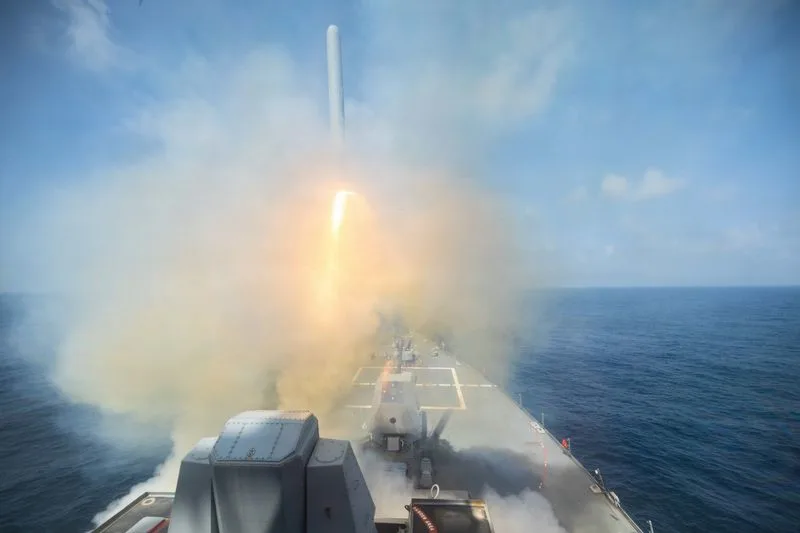
North Korea’s recent missile tests and aggressive rhetoric further exacerbate tensions in the region, raising concerns about the regime’s intentions and strategic objectives. Leader Kim Jong-Un’s abandonment of the pursuit of reunification with South Korea marks a significant shift in North Korea’s foreign policy and underscores the regime’s commitment to its own survival and ideological agenda.
While the prospect of an all-out war between North and South Korea remains a concern, experts caution against underestimating the risks posed by limited attacks targeting South Korean territory or military forces. Such provocations, while less catastrophic than a full-scale conflict, could still result in significant casualties and destabilize the region.
As the international community grapples with the growing threat posed by North Korea’s aggressive behavior, diplomatic efforts to de-escalate tensions and promote dialogue remain paramount. However, the persistent challenges posed by North Korea’s belligerent actions highlight the complex and volatile nature of the Korean Peninsula, underscoring the need for continued vigilance and proactive measures to safeguard regional stability and security.