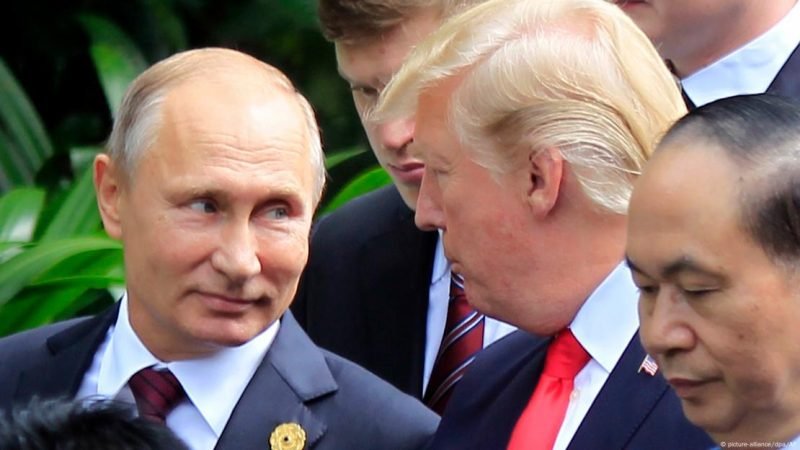
The notion of “pretty privilege” has long been discussed in societal discourse, suggesting that individuals perceived as more physically attractive often enjoy certain advantages in various aspects of life. Recent research, as highlighted in a study published on The Conversation, delves into the realm of attractiveness and its correlation with perceived trustworthiness. This article aims to explore the key findings of this study, shedding light on the implications of “pretty privilege” in interpersonal interactions and societal perceptions.
Key Findings:
- Trustworthiness Perception: The study confirms that attractive individuals are commonly perceived as more trustworthy compared to their less attractive counterparts. This finding aligns with the concept of “pretty privilege,” which suggests that physical attractiveness can confer social benefits.
- Social Influence: Attractive individuals often wield greater social influence, with their opinions and actions carrying more weight in interpersonal interactions. This phenomenon extends to professional settings, where attractive individuals may be viewed as more competent and reliable.
- Implicit Bias: The research highlights the presence of implicit bias in the perception of trustworthiness based on physical appearance. Participants in the study consistently rated attractive individuals as more trustworthy, indicating the pervasive nature of “pretty privilege” in shaping societal attitudes.
- Impact on Opportunities: The perceived trustworthiness of attractive individuals can have tangible consequences, influencing opportunities in various domains such as employment, education, and relationships. This bias may inadvertently disadvantage individuals who do not conform to conventional standards of beauty.
Implications and Reflections: The findings of this research prompt reflection on the role of physical appearance in shaping interpersonal dynamics and societal perceptions. While “pretty privilege” may confer certain advantages to attractive individuals, it also underscores the prevalence of implicit biases in decision-making processes. Recognizing and addressing these biases is crucial for fostering fairness and equity in diverse contexts.
Moreover, the study underscores the importance of promoting inclusivity and valuing individuals based on their character, skills, and contributions rather than superficial attributes. By challenging stereotypes and embracing diversity, society can strive towards a more equitable and inclusive environment where all individuals are afforded equal opportunities and recognition.
In conclusion, the research on “pretty privilege” sheds light on the complex interplay between physical attractiveness and perceived trustworthiness. By illuminating the pervasive nature of this phenomenon, the study invites critical reflection on societal norms and biases. Moving forward, efforts to mitigate the impact of “pretty privilege” and promote fairness and inclusivity are essential for fostering a more equitable society.